


Table of Contents
- Introduction to Milan’s Architectural Wonders
- The Duomo di Milano: A Gothic Masterpiece
- Galleria Vittorio Emanuele II: The Elegant Shopping Arcade
- Castello Sforzesco: History and Art Combined
- Teatro alla Scala: The Heart of Opera in Milan
- The Modernist Vision of Casa Milan
- Palazzo Reale di Milano: Royal Heritage
- Basilica di Sant’Ambrogio: A Spiritual Landmark
- Contemporary Architecture: Fondazione Prada
- Conclusion: Embracing Milan’s Architectural Diversity
Introduction to Milan’s Architectural Wonders
Milan, a vibrant city situated in the northern part of Italy, stands as a testament to centuries of rich architectural evolution and cultural significance. Renowned not only as one of the fashion capitals of the world, it also boasts a diverse array of architectural styles that narrate the story of its historical and artistic journey. From Gothic cathedrals to modern skyscrapers, Milan reflects a unique confluence of tradition and innovation, making it an essential destination for architecture enthusiasts and casual travelers alike.
The architectural heritage of Milan is deeply rooted in the historical context of Italy, with influences ranging from Romanesque to Baroque, and from Neo-Classical to contemporary designs. This eclectic mix showcases the city’s evolutionary narrative and highlights the importance of craftsmanship and design throughout its history. The iconic Duomo di Milano, with its intricate Gothic façade, serves as a pinnacle of Milan’s architectural achievements while symbolizing the city’s status as a cultural and artistic powerhouse.
In addition to historic landmarks, Milan houses a plethora of modern structures that exemplify cutting-edge design and sustainable architecture. The city’s skyline is continuously evolving, featuring innovative buildings like the Porta Nuova district and the striking Unicredit Tower. These architectural feats not only enhance the city’s aesthetic appeal but also reflect a forward-thinking approach towards urban development.
Exploring Milan’s architectural landmarks offers an insightful glimpse into the city’s artistic legacy. Visitors are encouraged to immerse themselves in the diverse styles and influences found in its buildings, each telling a unique story. As you navigate through this Milan city guide: 20 must-see architectural landmarks, expect to be captivated by the beauty and ingenuity that Milan has to offer.
The Duomo di Milano: A Gothic Masterpiece
The Duomo di Milano, or Milan Cathedral, stands as one of the most iconic examples of Gothic architecture in the world. Constructed over nearly six centuries, the cathedral’s history spans from 1386 to 1965, showcasing an intricate fusion of artistry and engineering that defines Milan’s skyline. The cathedral’s façade is adorned with thousands of statues, spires, and intricate carvings, exemplifying the peak of Gothic design. This magnificent structure encompasses elements from various architectural styles, including Gothic, Renaissance, and Baroque, showcasing the evolution of Milan’s artistic expressions over the centuries.
The cathedral spans an impressive 157 meters in length and 109 meters in width, making it one of the largest cathedrals globally. Its intricate façade is not only visually striking but also tells the story of Milan’s cultural heritage and religious significance. Among the standout features are the over 3,400 statues that embellish the exterior, including the famed Madonnina, a golden statue of the Virgin Mary perched atop the spire, which serves as a symbol of protection for the city. The stained-glass windows that line the interior further enhance the architectural beauty, depicting biblical scenes and adding to the spiritual atmosphere of the cathedral.
Visitors to the Duomo di Milano are encouraged to explore its rooftop, which offers breathtaking views of the city and a unique perspective of the intricate spires up close. Access to the rooftop can be achieved either by climbing the 250 steps or utilizing the elevator for a more leisurely ascent. As part of the Milan city guide: 20 must-see architectural landmarks, the Duomo is a testament to the city’s rich history and an essential stop for anyone venturing into Milan. The blend of art, architecture, and history uniquely encapsulates the spirit of the city, making it a must-visit for both tourists and architecture enthusiasts alike.
Galleria Vittorio Emanuele II: The Elegant Shopping Arcade
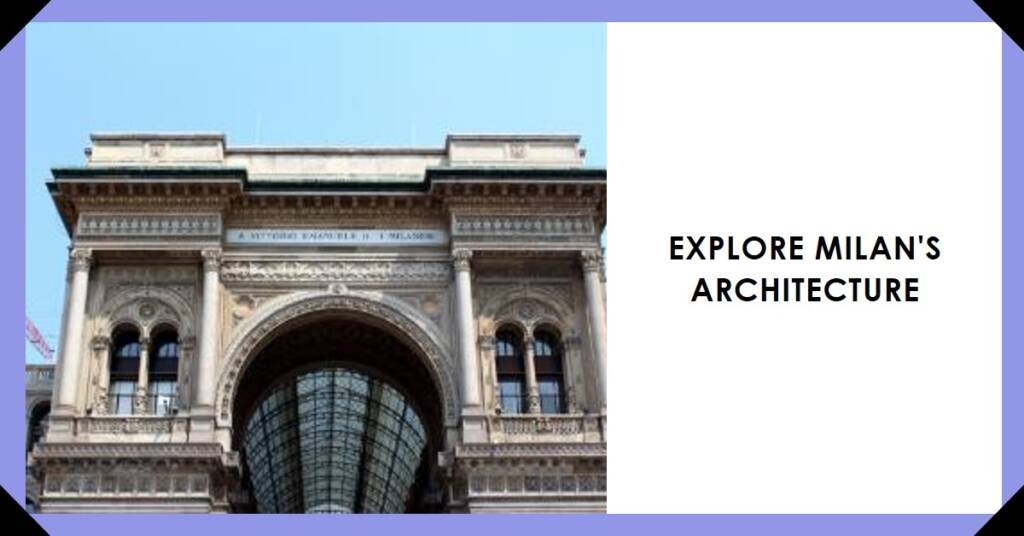
The Galleria Vittorio Emanuele II stands as a pinnacle of architectural beauty within the Milan city guide: 20 must-see architectural landmarks. This magnificent shopping arcade, inaugurated in 1867, exemplifies the grandeur of 19th-century Italian architecture. Designed by Giuseppe Mengoni, the structure features a stunning glass and iron dome that spans over a central arcade, flanked by elegant shops and cafes. The intricate detailing of the mosaic flooring, depicting various Italian regions, further enhances the Galleria’s allure.
As a prominent social and commercial hub in Milan, the Galleria serves as a gathering place for both locals and tourists. Its grand atrium invites visitors to experience the blend of history and modernity, with high-end boutiques such as Prada, Gucci, and Louis Vuitton residing alongside traditional Italian cafés. The café culture thrives here, with historic establishments like Caffè Biffi and the renowned Camparino, where patrons can enjoy a leisurely espresso or an aperitif while soaking in the elegant atmosphere.
The Galleria is not merely a shopping destination; it embodies the essence of Milanese culture. It has witnessed countless social events and cultural movements, from art exhibitions to fashion shows, solidifying its status as an iconic landmark. The beautiful arcade also serves as a passageway leading to the iconic Duomo di Milano, allowing visitors to appreciate both structures in one visit. For those exploring Milan, the Galleria Vittorio Emanuele II is undoubtedly a must-see stop, offering a unique blend of architecture, commerce, and social interaction, making it a quintessential part of any comprehensive Milan city guide.
Castello Sforzesco: History and Art Combined
Castello Sforzesco, or Sforza Castle, is not only a significant historical monument in Milan but also an embodiment of Renaissance architecture, making it an essential destination in the Milan city guide: 20 must-see architectural landmarks. Initially built in the 15th century by Francesco Sforza, the castle served as a defensive fortress, ultimately transforming into a residence for the Sforza family. The castle’s impressive structure reflects the architectural style of the time, combining both military and residential elements.
Over the years, Castello Sforzesco has undergone various renovations, preserving its grandeur while adapting to the evolving needs of the city. During the Spanish occupation in the late 16th century, the castle was expanded, resulting in the addition of bastions and modifications to its fortifications. These changes took place among expansive gardens, illustrating the harmony between nature and architecture, characteristic of Milanese Renaissance designs. Visitors can stroll through the lush surrounding gardens, which provide a tranquil escape from the bustling city, all while enjoying stunning views of this majestic structure.
Today, Castello Sforzesco houses several museums that cater to art and history enthusiasts. Notable collections include the Museum of Ancient Art, the Museum of Musical Instruments, and the Egyptian Museum. Each museum offers a unique perspective on Italy’s cultural heritage and showcases a wealth of historical artifacts. The castle itself is a narrative of Milan’s complex history, illustrating the city’s resilience and transformation over centuries. As you explore this architectural gem, you will undoubtedly develop a deeper appreciation for Milan’s artistic legacy, solidifying Castello Sforzesco’s place in any comprehensive Milan city guide.
Teatro alla Scala: The Heart of Opera in Milan
Teatro alla Scala, commonly known as La Scala, stands as an iconic symbol of Milan’s rich cultural and artistic heritage. Opened in 1778 and nestled in the heart of the city, this opera house has hosted numerous premier performances and has been a cornerstone of opera in Italy and beyond. The architecture of La Scala is a striking blend of neoclassical and contemporary styles, showcasing a grand facade that invites spectators into a world of music and artistry. Inside, the stunning auditorium reveals a horseshoe shape designed to enhance acoustics, adorned with opulent red velvet and gold decor, which beautifully encapsulates the essence of operatic tradition.
The significance of La Scala extends beyond its architectural grandeur; it has become a beacon for artists, musicians, and opera enthusiasts. Numerous influential figures in the music world, such as Giuseppe Verdi and Giacomo Puccini, have premiered their masterpieces on its stage. Attending a performance at La Scala is more than merely witnessing a show; it is a chance to engage with centuries of musical history and tradition. Visitors may find themselves enthralled by the rich narratives unfolding through each performance, as well as by the profound emotions expressed by talented artists, maintaining the opera house’s renowned reputation.
The Modernist Vision of Casa Milan
Casa Milan is a striking example of modern architecture, serving as the headquarters for the esteemed football club A.C. Milan. Located in the heart of Milan, this architectural landmark was designed by the renowned studio Arup and officially opened its doors in 2014. The structure showcases a contemporary design language that is both functional and aesthetically pleasing, embodying the club’s history while looking towards the future.
The architectural style of Casa Milan is characterized by clean lines and expansive use of glass, allowing natural light to flood the interior spaces. The façade features a distinctive design consisting of waves that create a dynamic appearance while symbolizing the club’s deep connection with its fans and the overarching spirit of sport. In a city often defined by its historical architecture, Casa Milan stands out as a beacon of modernist thought, merging the realms of sport, culture, and artistry.
Visitors to Casa Milan can expect an immersive experience that extends beyond mere architectural appreciation. Upon entering, guests are greeted by spacious exhibition areas, showcases devoted to the club’s legacy, and multifaceted exhibits that reflect the passion of football culture. The spaces are designed with thoughtful consideration, providing various vantage points to engage with the club’s storied history. Moreover, the Casa Milan also houses a café and a shop, allowing visitors to extend their stay and enjoy a moment of respite.
In addition to being a significant football headquarters, Casa Milan serves as an excellent representation of Milan’s commitment to modern architecture. Its role within the Milan city guide: 20 must-see architectural landmarks is pivotal, as it highlights the evolution of design in a city steeped in traditional aesthetics. Consequently, this architectural gem continues to attract both sports enthusiasts and architecture aficionados alike, marking it as a must-see destination in the city.
Palazzo Reale di Milano: Royal Heritage
Palazzo Reale di Milano, or the Royal Palace of Milan, stands as an emblem of the city’s rich history and architectural grandeur. Originally constructed in the 14th century, this spectacular building has witnessed various transformations over the centuries, reflecting the changing tastes and styles of the eras it has endured. Its essential role as a royal residence has significantly contributed to its current status as one of the prominent Milan architectural landmarks.
The façade of Palazzo Reale showcases a Neoclassical style, characterized by its elegant proportions and symmetry. Inside, visitors will find opulent salons, intricately decorated ceilings, and a wealth of historical artifacts that narrate the story of Milan’s nobility. This remarkable site not only serves as a reminder of the royal heritage but has also been adapted to function as a cultural hub, regularly hosting art exhibitions and events that attract a diverse audience. The museum-like experience allows art enthusiasts to appreciate works from both classic and contemporary artists, enhancing the allure of this Milan city guide.
To navigate Palazzo Reale efficiently, visitors are encouraged to enter through the main entrance located at Piazza del Duomo. Once inside, they can easily follow the signage leading to various exhibition rooms and gardens, which illustrate the palace’s architectural splendor. It is advisable to check the schedule for temporary exhibits in advance, as these often feature remarkable collections that complement the rich history of the palace. For those looking to immerse themselves in Milan’s cultural heritage, a visit to the Palazzo Reale di Milano is indispensable. This iconic site not only enriches the visitor’s experience but solidifies its place among the 20 must-see architectural landmarks in Milan.
Basilica di Sant’Ambrogio: A Spiritual Landmark
The Basilica di Sant’Ambrogio, one of the oldest churches in Milan, stands as a significant testament to the city’s rich religious heritage and architectural prowess. Founded in the 4th century by Saint Ambrose himself, this basilica is not only a place of worship but also a key example of Romanesque architecture. The structure showcases distinctive features such as its dual-tower façade, vibrant mosaics, and robust brickwork, which reflect the historical context in which it was built.
The architectural style of the Basilica di Sant’Ambrogio is characterized by its simple yet powerful lines, creating a serene atmosphere that invites reflection and contemplation. Visitors are often struck by the interior’s harmonious proportions and the warm light filtering through the windows that enhances the spiritual ambiance. Among the notable artworks housed within the basilica are the stunning crypt and the golden altar, featuring exquisite mosaics from the early Christian period that depict biblical scenes and saints.
As one explores this spiritual landmark, one may appreciate the basilica’s role in Milan’s religious life over the centuries. It has been a site of pivotal events, including the martyrdom of numerous saints and important ecclesiastical gatherings. For those seeking to visit, the basilica is open to the public and provides a resplendent setting for both worship and reflection. It is advisable to check the schedule for mass timings, as attending a service can enhance the experience of this sacred space. Additionally, visiting during weekdays may offer a quieter environment, allowing for a more intimate experience with its history and architecture. The Basilica di Sant’Ambrogio certainly stands out in any Milan city guide as a must-see architectural landmark, embodying both the spiritual and historical essence of Milan.
Contemporary Architecture: Fondazione Prada
Fondazione Prada stands as a striking example of contemporary architecture within the vibrant landscape of Milan. Established in 2015, this cultural institution is situated in a transformed former gin distillery, which adds a unique layer of history to its modern aesthetic. The architectural design was crafted by renowned design firm OMA, led by the eminent architect Rem Koolhaas. This project not only involved the restoration of the existing industrial buildings but also incorporated new structures that seamlessly blend the old with the new, creating a distinctive urban space.
As visitors approach Fondazione Prada, they are greeted by an impressive juxtaposition of materials and forms. The site features a mix of original yellow-painted buildings, along with the iconic “haunted house” – a contemporary addition that draws attention with its innovative design. The overall layout encourages exploration, allowing guests to traverse through different spaces that house a variety of exhibitions. These regularly changing displays showcase contemporary art and often feature works from both established and emerging artists, making Fondazione Prada a crucial part of the artistic dialogue within Milan.
In addition to its architectural charm, Fondazione Prada hosts numerous events and exhibitions throughout the year that captivate a diverse audience. The institution’s commitment to promoting contemporary art ensures that visitors not only appreciate the architectural prowess but also engage with progressive artistic expressions. Whether one is an art aficionado or a casual visitor, the Fondazione Prada serves as a vital stop in any Milan city guide: 20 must-see architectural landmarks, showcasing the evolution of space and culture in an ever-changing urban environment.


Conclusion: Embracing Milan’s Architectural Diversity
Milan, a city renowned for its classic and contemporary architectural styles, presents an enthralling tapestry of buildings that reflect the passage of time and the evolution of aesthetics. Through our exploration of the milan city guide: 20 must-see architectural landmarks, it is evident that this vibrant metropolis is an exquisite representation of historical grandeur and modern innovation. Visitors to Milan are invited to immerse themselves in the rich narratives that each structure has to offer, ranging from the Gothic majesty of the Duomo di Milano to the sleek lines of contemporary designs like the Bosco Verticale.
The juxtaposition of these styles speaks to the city’s characteristic charm, making it a unique destination for architecture enthusiasts and casual visitors alike. To fully engage with Milan’s landscape, one might consider embarking on guided architectural tours that delve into the stories behind these notable landmarks. This approach not only enlightens but also enriches the experience, allowing one to appreciate the artistry and intention behind each façade.
Moreover, wanderlusting through the diverse neighborhoods, such as Brera and Navigli, offers additional insights into the city’s architectural narrative. Quiet streets lined with historic buildings contrast with vibrant areas showcasing avant-garde designs, creating a harmonious balance that defines Milan’s character. Engaging with the local culture, sampling traditional cuisine, and attending exhibitions can further enhance one’s understanding of how these architectural wonders shape urban life.
In conclusion, Milan stands as a testament to the beauty and complexity of architectural diversity. Whether visiting to marvel at iconic structures or exploring lesser-known gems, the city invites all to embrace its multifaceted charm. To truly appreciate Milan, one must not merely observe but engage with its architectural heritage, allowing the past and present to inspire future generations.

