Table of Contents
- Introduction to Bobst Library
- The Vision Behind the Renovation
- Joel Sanders: The Architect’s Profile
- Key Features of the Renovated Space
- User-Centric Design Principles
- Sustainability Initiatives in the Renovation
- Community Impact and Response
- Future Implications for Academic Libraries
- Conclusion and Next Steps
Introduction to Bobst Library
New York University’s Bobst Library, located in the heart of Greenwich Village, stands as a significant architectural and academic landmark. Opened in 1973, the library has evolved into one of the most important academic resources within the university and beyond. Designed by renowned architect Philip Johnson, the structure features a distinctive postmodern style characterized by its bold use of materials and extensive glass facades, which allow natural light to permeate the interior space. The library is not only notable for its aesthetic qualities but also for its functional design, which accommodates the diverse needs of its users.
As the main academic library for NYU, Bobst serves a dual purpose: it is both a repository of vast collections and a vibrant study environment. Housing over 5 million volumes, the library boasts extensive resources in various fields, making it an essential hub for research and scholarly pursuits. The library’s collections include rare books, manuscripts, and an array of digital resources, ensuring that students and faculty alike have access to a wealth of knowledge. Moreover, Bobst is equipped with numerous study spaces, computer labs, and group study rooms, fostering both individual and collaborative learning experiences.
Beyond its role within NYU, Bobst Library has garnered recognition in the wider academic community for its commitment to the advancement of research and scholarship. The library hosts numerous events, exhibitions, and workshops that encourage engagement with knowledge and promote information literacy among students. Furthermore, it serves as a model for innovative library design and resource management, inspiring similar institutions across the globe. The ongoing renovations and improvements will undoubtedly enhance its reputation as a premier destination for learning and inquiry in the ever-evolving landscape of higher education.
The Vision Behind the Renovation
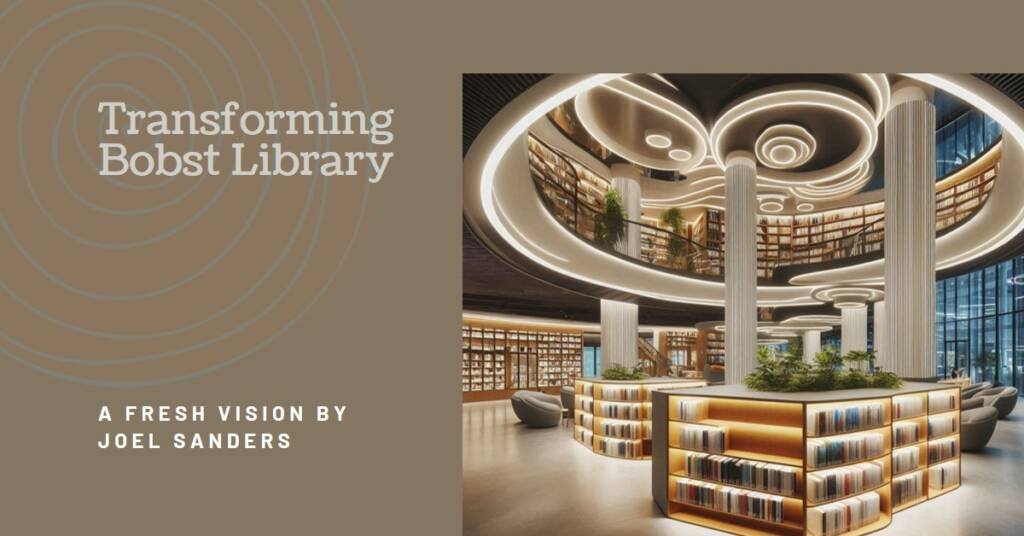
The renovation of NYU’s Bobst Library, spearheaded by architect Joel Sanders, is a pioneering endeavor aimed at modernizing traditional library spaces to meet the evolving needs of contemporary learners. As educational practices shift towards more collaborative and technology-driven approaches, it is essential that libraries adapt accordingly. The vision for Bobst Library’s transformation encompasses not merely an aesthetic overhaul but a comprehensive reimagining of how space can facilitate diverse modes of learning and interaction.
One of the primary drivers behind the renovation is the necessity to accommodate new forms of learning that extend beyond the confines of solitary study. Joel Sanders envisions the library as a vibrant hub that fosters collaboration, creativity, and innovation. This transformation involves designing flexible spaces that can support various activities, from quiet study to dynamic group projects. By incorporating adaptable furniture and open layouts, the renovated library aims to encourage student engagement and interaction, ensuring that individuals can seamlessly transition from personal study to collaborative work.
Additionally, enhancing the user experience remains a central tenet of the renovation project. Modernizing the library is not solely about updating infrastructure; it’s also about enhancing accessibility to information and resources. The integration of advanced technology, such as digital learning tools and interactive displays, will enable users to engage more effectively with materials, providing a more enriching educational experience. The renovation also considers the aesthetics of the library, creating inviting and inspiring environments that reflect the vibrancy of the NYU community.
Through Joel Sanders’ vision, the renovation of Bobst Library seeks not only to preserve the essential functions of a library but also to redefine its role as a cornerstone of learning in the digital age.
Joel Sanders: The Architect’s Profile
Joel Sanders is a distinguished architect and educator based in New York City, renowned for his innovative approach to architectural design, particularly within educational settings. With a master’s degree in architecture from Yale University and a wealth of experience leading projects that harmoniously blend functionality with aesthetic appeal, Sanders has established a notable reputation in the field. His design philosophy emphasizes the integration of architecture with the cultural and social fabric of the environment, promoting spaces that foster engagement and learning.
Throughout his career, Sanders has been involved in a variety of high-profile projects across the United States, consistently focusing on transforming public and institutional spaces. His past works include the renovation of storied institutions, where he applied a forward-thinking mindset to create environments that reflect contemporary needs while honoring historical context. Loudering in the conventional lines of architectural practice, his work is characterized by its inclusivity and adaptability, showcasing an adeptness at navigating the complexities of educational architecture.
One significant element of Sanders’ expertise lies in his understanding of how physical space can enhance educational experiences. He believes that design should not only address aesthetic considerations but also facilitate collaboration and academic inquiry. This dual focus on form and function is evident in the renovation of NYU’s Bobst Library, where his vision aimed to transform the library into a vibrant educational hub, catering to the evolving demands of today’s academic landscape.
Through his work, Sanders advocates for an architecture that is responsive to user needs, acknowledging the dynamic nature of educational environments. His approach to the Bobst Library renovation is a testament to his commitment to creating inviting and functional spaces that not only house knowledge but also inspire its pursuit.
Key Features of the Renovated Space
The renovation of NYU’s Bobst Library showcases several key features designed to enhance the overall learning experience and accommodate diverse academic needs. One of the most notable additions is the expansion of study areas, which now include a variety of collaborative and individual study zones. These spaces are equipped with comfortable furniture and ample power outlets, allowing students to engage in both focused study sessions and interactive group projects.
Furthermore, the integration of cutting-edge technology is a hallmark of the renovated library. With the installation of advanced multimedia resources, students have access to interactive screens and video conferencing tools that facilitate remote collaboration. The library also features high-speed wireless internet, allowing seamless connectivity and access to a wealth of digital resources. This technological enhancement not only supports individual research but also encourages group learning and innovation.
Sustainable design elements play a crucial role in the renovation. The use of eco-friendly materials, energy-efficient lighting, and improved insulation demonstrates a commitment to environmental responsibility. Natural light is maximized through strategic window placements, which not only reduces reliance on artificial lighting but also creates a more inviting atmosphere for users. These sustainable initiatives not only contribute to a healthier environment but also set a positive example of environmentally-conscious design in educational spaces.
In addition to these features, the renovation includes distinct zones designated for specific academic needs, such as quiet reading areas, innovative maker spaces, and seminar rooms equipped for flexible learning environments. These thoughtfully designed spaces cater to a variety of learning styles and preferences, ensuring that all students can find an area suited to their academic pursuits. Overall, the renovation of Bobst Library reflects a forward-thinking approach that effectively supports collaborative learning and modern educational requirements.
User-Centric Design Principles
The renovation of NYU’s Bobst Library was fundamentally rooted in user-centric design principles, emphasizing the necessity of understanding the needs and preferences of its primary users: students and faculty. To facilitate this, a comprehensive feedback process was initiated, allowing stakeholders to express their expectations and experiences with the existing space. Surveys, focus groups, and workshops provided invaluable insights that informed design decisions and prioritized the actual requirements of the library community.
Central to this user-driven approach was the commitment to creating an environment that fosters interaction and collaboration. The redesigned spaces were intended to reduce barriers between individuals, encouraging informal discussions and collaborative work. Open layouts, flexible seating arrangements, and communal areas were strategically integrated to facilitate networking and engagement. This layout not only enhances social learning but also aligns with modern pedagogical practices that advocate for collaboration and peer-to-peer support as critical components of the academic experience.
Another significant aspect of the renovation was the adaptation to diverse learning styles and needs. Various zones catering to different activities—quiet study areas, active learning spaces, and technology-rich suites—were incorporated into the design. This variety ensures that every user can find a suitable place that aligns with their study habits, whether they require a calm environment for concentration or a dynamic space for group projects. Furthermore, accessibility considerations were embedded in the design process, ensuring that all users, regardless of physical limitations, could navigate the library efficiently and comfortably.
Ultimately, the application of user-centric design principles has transformed the Bobst Library into a vibrant hub of academic activity, one that not only meets but anticipates the evolving needs of its users, thereby enhancing the overall educational experience at NYU.
Sustainability Initiatives in the Renovation
The renovation of NYU’s Bobst Library has taken a significant leap toward sustainability, aligning with the university’s long-standing commitment to environmental responsibility. This ambitious project incorporates several green initiatives designed to minimize the ecological footprint of the library while enhancing the user experience. These efforts reflect a growing understanding in academic and public spaces about the importance of sustainable practices in reducing energy consumption and promoting a healthier environment.
One of the pivotal elements of the renovation is the use of eco-friendly materials. The design team prioritized sourcing materials with a low environmental impact, such as reclaimed wood and recycled metal, which not only reduce the demand for new resources but also bring a unique character to the library’s aesthetic. These sustainable materials contribute to the overall circular economy, ensuring that resources are utilized efficiently and sustainably.
In addition to material choices, the renovation includes advanced energy-efficient systems, which play a crucial role in minimizing energy consumption. High-performance insulation and energy-efficient windows have been integrated to enhance natural light while reducing reliance on artificial lighting and heating. Furthermore, the installation of smart climate control systems allows for more precise monitoring and regulation of energy use, aligning with best practices in sustainable architecture.
Moreover, water conservation measures have also been thoughtfully incorporated. Low-flow fixtures and rainwater harvesting systems aim to reduce overall water consumption, showcasing a commitment to sustainable practices that extend beyond energy efficiency. These features not only contribute to the library’s green credentials but also educate users about the importance of conserving water resources.
Through these innovative sustainability initiatives, the renovation of Bobst Library exemplifies NYU’s dedication to fostering environmentally friendly campus spaces. By integrating sustainable choices into its design, the library not only enhances the learning environment but also sets a standard for future architectural projects within the university and beyond.
Community Impact and Response
The renovation of NYU’s Bobst Library has significantly transformed not only the physical space but also the dynamics of the university community. Students, faculty, and library staff have expressed an array of responses that reflect their appreciation for the enhanced environment. The architectural redesign has prioritized collaborative study areas, allowing students to engage more effectively in group work and discussions. Many students have noted that the open-plan concept encourages a vibrant academic atmosphere, fostering interaction and innovation in their learning experiences.
Faculty members have highlighted the renovation’s effect on research capabilities. The incorporation of advanced technology and dedicated spaces for specialized resources has made it easier for them to access necessary materials. As one history professor remarked, “The new layout not only facilitates my research but also inspires my students to explore the vast resources available to them.” This sentiment is echoed by many, who find that the renovated library seamlessly integrates essential resources for both teaching and learning.
Library staff have also witnessed a remarkable shift in usage patterns since the renovation. Increased foot traffic indicates that the new design resonates with the needs of a diverse user base. Staff members report a growing enthusiasm among visitors, noting that patrons are now more inclined to attend workshops and utilize specialized services offered in the library. Anecdotes from library workers illustrate a sense of pride in the transformation; one librarian mentioned, “Seeing students navigate the space and engage with each other is rewarding, validating the effort put into this project.”
Overall, the renovation has revitalized Bobst Library’s role within the NYU community. As excitement continues to build around its new features and functionality, the library stands as a testament to the importance of adaptable learning spaces in contemporary education. The collective enthusiasm showcases a positive cultural shift, ensuring that the library remains a cornerstone of academic life at NYU.
Future Implications for Academic Libraries
The renovation of NYU’s Bobst Library represents a significant shift in the design and utility of academic libraries, offering valuable insights for institutions nationwide. As libraries evolve to meet the needs of contemporary scholarship and information dissemination, they are increasingly recognized as dynamic learning environments rather than mere repositories of books. This transformation emphasizes the need for flexibility in library spaces, allowing institutions to adapt to changing educational paradigms and technologies. The Bobst Library renovation, with its innovative architecture and multifunctional spaces, exemplifies this trend and sets a benchmark for future academic libraries.
Emerging trends in library design are emphasizing the importance of collaborative workspaces, dedicated areas for digital learning, and quiet study environments that cater to diverse student needs. The integration of technology into these spaces is crucial; with more students engaging in digital scholarship, libraries must provide resources such as advanced computer facilities and access to digital archives. The Bobst Library’s renovation not only incorporates these elements but also encourages interaction among users, fostering a community of learning and knowledge sharing. As a result, it serves as a case study for how academic libraries can reinvent themselves in the 21st century.
Moreover, flexibility is an integral concept highlighted by the Bobst Library’s design. This flexibility ensures that library spaces can adapt to various activities, from group study sessions to lectures and workshops. The ability to transform environments as needs arise enhances the library’s relevance in an ever-changing academic landscape. Institutions looking to modernize their facilities can draw inspiration from the Bobst Library’s approach, understanding that successful renovations should focus not only on aesthetics but also on functionality and user experience. By implementing similar strategies, academic libraries across the country can enhance their role in supporting education and research in an increasingly complex world.


Conclusion and Next Steps
In reflecting on the successful renovation of NYU’s Bobst Library, it becomes clear that this transformation is more than just an architectural upgrade; it is a pivotal evolution in how library spaces can support modern academic engagement. The renovation has enhanced the library’s role as a dynamic hub for learning, collaboration, and innovation. With state-of-the-art facilities and updated technology, the Bobst Library now effectively accommodates the diverse needs of its users. This reimagined space stands as a testament to how libraries can adapt to the changing landscape of education and research.
The features introduced during the renovation, such as flexible study environments, collaborative workspaces, and ample technological resources, have set a benchmark for future library designs. These elements not only promote student engagement but also foster a sense of community among users. As other institutions look to renovate or rethink their own libraries, the Bobst Library serves as an inspirational model, demonstrating that thoughtful design can profoundly impact academic success and well-being.
For those who have yet to visit this revitalized treasure, we encourage you to explore the Bobst Library in person. Experience the thoughtful integration of design and functionality, and see firsthand how these changes can facilitate a more enriching academic experience. As NYU continues to think ahead, the potential for future enhancements and adaptations remains an exciting prospect. The library’s development may not be entirely complete, suggesting ongoing improvements can be anticipated. Such foresight in planning will ensure that the Bobst Library remains at the forefront of educational advancement, consistently evolving to meet the needs of its constituents.