Table of Contents
- Introduction to Hutongs
- The Historical Significance of Hutongs
- Architecture and Design of Hutongs
- Hutongs and Urban Life Today
- Cultural Significance of Hutongs
- Exploring Hutongs: A Visitor’s Guide
- Hutong Preservation and Challenges
- Personal Stories: Life in the Hutongs
- Conclusion: The Future of Hutongs
Introduction to Hutongs
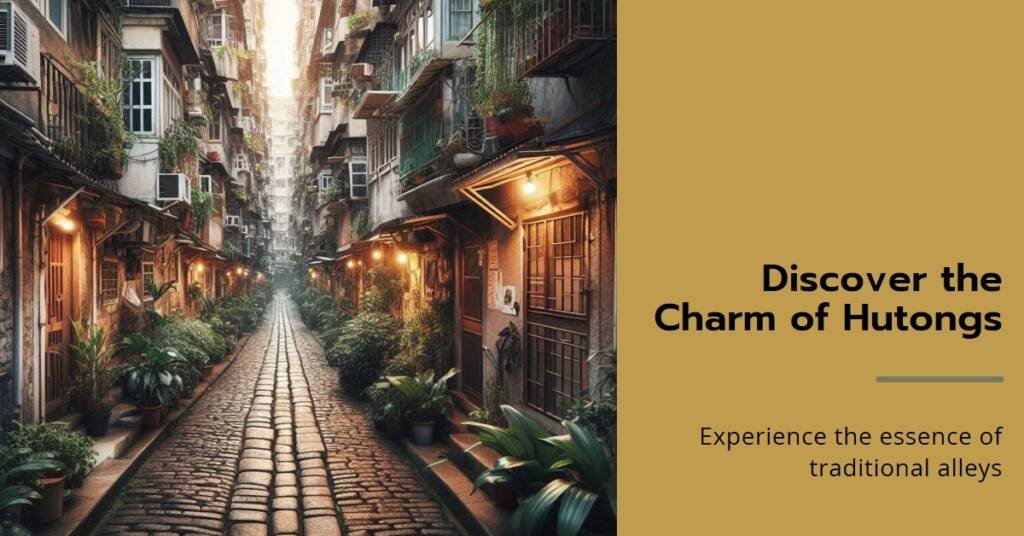
Hutongs are narrow alleys or lanes that are an intrinsic part of China’s urban landscape, particularly in cities like Beijing. Characterized by their unique architectural style, these structures consist of courtyard residences that are often connected to one another, creating a complex web of pathways reflective of traditional Chinese community life. The word “hutong” is derived from the Mongolian term “hoto,” meaning “water well,” which highlights the historical significance of these routes in facilitating social interaction and communal resources among residents.
Historically, hutongs emerged in the Yuan Dynasty (1271-1368) and flourished during the Ming and Qing dynasties. They served not only as living spaces but also as social hubs where neighbors would congregate, exchange ideas, and participate in community events. Over time, the design of hutongs evolved, showcasing distinct architectural features such as traditional grey-brick walls, intricately carved wooden doors, and unique rooflines that reflect traditional Chinese aesthetics. This architectural style is not only visually appealing but also practical, facilitating ventilation, light, and privacy within the densely populated living quarters.
In addition to their historical and architectural significance, hutongs are representative of China’s rich cultural heritage. They embody the interplay of tradition and modernity, as many are now juxtaposed with contemporary developments yet remain vital components of urban culture. The experiences of daily life in these vibrant alleys offer insight into the communal living practices that have endured for centuries, making them an essential subject of study for those interested in the evolution of urban spaces in China. Exploring the hutongs thus provides a unique lens through which to understand the past while considering their relevance in today’s rapidly changing urban environments.
The Historical Significance of Hutongs
Hutongs, the quintessential urban alleys of China, have a rich history that traces back to the Yuan dynasty (1271-1368). Initially, the term “hutong” was used to describe the well-off areas, primarily in Beijing, created as a means to delineate residential neighborhoods. As cities expanded, these narrow lanes became essential conduits for communal life, interwoven with the daily activities of the inhabitants. The evolution of hutongs from simple thoroughfares to vibrant community spaces marks a fascinating journey through China’s socio-cultural landscape.
During the Ming (1368-1644) and Qing dynasties (1644-1912), the architecture around hutongs flourished, showcasing traditional courtyard homes known as siheyuan. This style of living fostered an environment conducive to community bonding, as families shared not only physical space but also cultural practices and communal rituals. The hutongs became the setting for countless historical events, serving as meeting grounds for revolutionaries and cultural exchanges, especially during periods of significant political change.
As China entered the 20th century, the advent of modernity began to challenge the traditional lifestyle within these historic lanes. The Cultural Revolution (1966-1976) saw many hutongs facing demolition, yet they also became symbols of resistance and nostalgia for traditional Chinese values. Today, hutongs bear witness to the rapid urbanization in cities like Beijing, illustrating a juxtaposition between modernized infrastructures and historically significant alleys. Despite threats of displacement, various grassroots movements aim to preserve these unique urban spaces, safeguarding their role as living historical narratives.
The hutongs reflect the resilience of community identities against the backdrop of China’s evolving historical context. Through their intricate lanes and unique architecture, they continue to signify a pivotal aspect of Chinese heritage, embodying a collective memory that transcends generations.
Architecture and Design of Hutongs
The unique architecture and design of hutongs are intrinsic to understanding their cultural and historical significance within Chinese urban development. Primarily characterized by their narrow alleys, hutongs are often lined with traditional courtyard houses known as siheyuan. These courtyard homes typically consist of a central open space surrounded by several single-story rooms, which not only allows for natural light and ventilation but also fosters communal living and interaction among families. The siheyuan layout is a reflection of Confucian principles that emphasize family values and social cohesion.
Furthermore, traditional building materials such as brick, wood, and grey tiles are commonly used in the construction of hutongs, contributing to their distinct aesthetic. These materials are valued for their durability and thermal properties, which help maintain a comfortable indoor climate in various seasons. The craftsmanship displayed in the intricate carvings and decorative elements of the doorways and windows not only highlights the artistic aspect of hutong architecture but also connects the houses to the broader narrative of Chinese architectural history.
The design of hutongs promotes a sense of community that is often absent in modern urban planning. The interconnected layout encourages social interactions among residents, as it is common for neighbors to gather in shared spaces, fostering relationships that have persisted through generations. Additionally, the narrow alleys of hutongs create intimate environments, where communal activities such as markets and festivals often take place. This architectural style offers a glimpse into the traditional ways of life, demonstrating how the built environment influences social dynamics. As urbanization continues to reshape cities, the architectural and design elements of hutongs stand as a testament to the resilience of community structures amidst change.
Hutongs and Urban Life Today
The traditional hutongs of China, characterized by their narrow alleys and courtyard residences, are increasingly challenged by the realities of modern urban life. As cities expand and modernize, the significance of these historic neighborhoods becomes a dual-edged sword. On one hand, hutongs are cherished for their cultural heritage and community spirit, serving as living museums of China’s history. On the other hand, they face threats from rapid urbanization and gentrification, which aim to promote economic development at the expense of traditional structures.
In recent years, various preservation efforts have been launched to protect these iconic neighborhoods. Government initiatives and community-led projects seek to maintain the cultural integrity of hutongs while simultaneously upgrading essential infrastructure. This delicate balance aims to revitalize these areas without compromising their historical essence. Such measures often include careful restoration of traditional architecture, as well as the promotion of local businesses and cultural activities that mirror the long-standing practices inherent in hutong life.
However, the challenges are significant. Gentrification poses a direct threat to the residents of hutongs, many of whom are low-income families. As property values rise, long-term inhabitants are often displaced in favor of upscale developments, thereby diluting the cultural fabric that defines these alleys. Newer, wealthier residents may demand modern amenities, which can alter the very essence of what a hutong represents. This transformation, while economically beneficial for some, risks eroding the authentic communal lifestyle that has flourished within these urban quarters for centuries.
In light of these complexities, understanding the contemporary landscape of hutongs necessitates a nuanced perspective. As efforts for preservation continue alongside urban development, the future of hutongs will largely depend on the city’s ability to harmonize modernization with cultural integrity, ensuring that these unique spaces remain vibrant elements of China’s urban tapestry.
Cultural Significance of Hutongs
Hutongs, the traditional urban alleys found in Chinese cities, are not merely pathways but vibrant centers of cultural identity and community life. These narrow lanes connect courtyards and houses, serving as the backbone of social interaction among residents. Historically, hutongs have fostered a unique way of life that emphasizes close-knit relationships, often characterized by communal gatherings and neighborhood interactions, which play a vital role in preserving local traditions.
Throughout the year, hutongs come alive during various festivals, showcasing the rich tapestry of cultural expressions that residents have nurtured over generations. Events like the Chinese New Year see neighborhoods transformed into colorful displays of lanterns and decorations, where families unite to celebrate their shared heritage. Moreover, traditional performances such as Peking opera can often be experienced in the intimate settings of these alleyways, allowing both locals and visitors to engage directly with the art forms that define Chinese culture.
The daily life within hutongs also contributes significantly to their cultural significance. Street vendors sell traditional foods, artisans display their crafts, and children play freely in the lanes, all of which create an enchanting atmosphere that encourages cultural exchange. This microcosm of life often reflects the larger societal trends, where older generations pass down knowledge and customs to the youth, ensuring the longevity of their community’s heritage.
Furthermore, hutongs are increasingly becoming a focal point for cultural tourism, attracting visitors eager to experience authentic local life. As such, these alleys serve as living museums, where the past and present coexist. The deliberate preservation of hutongs amidst rapid urbanization highlights the community’s commitment to maintaining its cultural integrity and underscores the importance of these unique urban spaces in China’s cultural landscape.
Exploring Hutongs: A Visitor’s Guide
When visiting China, exploring hutongs, the narrow alleys that characterize traditional neighborhoods, offers a unique glimpse into the country’s rich heritage. These historical spaces, found predominantly in cities like Beijing, are not merely passageways; they embody stories of the past and the daily lives of local residents. To fully immerse yourself in the experience, it is essential to approach your exploration with an open mind and an appreciation for local customs.
Start your adventure in one of the most renowned hutongs, such as Nanluoguxiang, which boasts a blend of contemporary shops and traditional residences. Along this vibrant path, you’ll find a variety of cafes, boutiques, and craft shops, making it an ideal location for local food tasting tours. Sampling traditional delicacies, such as jianbing (Chinese crepes) or steamed buns, provides not just sustenance but an authentic taste of the region’s culinary culture.
As you wander through these alleys, remember to observe cultural etiquette, which plays a significant role in respecting the local community. It is advisable to maintain a polite demeanor, avoid intrusive photography, and be mindful of the surrounding environment. Engaging with residents can enhance your understanding of their way of life, and in many cases, they may welcome you into their homes or share their stories with a simple smile and conversation.
Moreover, consider attending local art exhibitions or visiting small businesses within the hutongs. Many emerging artists display their work in these intimate settings, offering a refreshing perspective on contemporary Chinese art. Shopping from local artisans not only supports the community but also provides you with unique souvenirs that hold personal significance.
By exploring hutongs thoughtfully, travelers can create memorable experiences that highlight the cultural tapestry of China, making their journey not just a visit, but an insightful exploration of a world less traveled.
Hutong Preservation and Challenges
Hutongs, the traditional urban alleys of China, hold significant cultural and historical importance. However, these iconic neighborhoods face numerous challenges amidst rapid modernization and urban development. As the government and various organizations recognize the importance of preserving hutongs, several initiatives have been launched to protect these areas against the encroachment of modernization.
Government initiatives have become increasingly influential in the effort to maintain the architectural integrity and cultural heritage of hutongs. Policies have been implemented to protect designated hutong areas, with zoning regulations aimed at controlling demolition and ensuring that any new development aligns with the historical context. These measures are often coupled with restoration projects, where aging structures receive much-needed repairs while still respecting their original design elements. Such efforts are critical in combating the threat of gentrification, which can alter the character of these neighborhoods.
In addition to government actions, non-governmental organizations (NGOs) play a vital role in the preservation of hutongs. Many NGOs focus on raising awareness about the historical significance of these areas and advocate for their protection. Through community engagement, educational programs, and outreach initiatives, these organizations contribute to a deeper understanding of hutongs as more than just a backdrop for urban living but as living museums reflecting China’s rich cultural tapestry.
Community activism is another essential aspect of hutong preservation. Residents often organize efforts to resist inappropriate redevelopment and express their desires for preserving their living spaces. Local groups host events that celebrate hutong culture, raising public consciousness about the need to safeguard these neighborhoods. Through collaboration among residents, NGOs, and government entities, the challenges of preservation become more manageable, as each stakeholder brings their unique perspectives and resources to the table.
Overall, while the pressures of modernization present significant challenges for hutong preservation, ongoing efforts by various stakeholders illustrate a commitment to safeguarding these treasured neighborhoods for future generations, ensuring that their historical significance endures amid the changing landscape of urban China.
Personal Stories: Life in the Hutongs
Life in the hutongs of Beijing offers a fascinating glimpse into the daily rhythms and rich cultural heritage of traditional urban spaces. These narrow alleys, characterized by their unique courtyard residences, are not just physical pathways; they are the lifelines of vibrant communities where stories of resilience and camaraderie come to life. Residents often recount their experiences, showcasing how the simplicity of life in these alleys cultivates deep bonds among neighbors.
One resident, Ms. Li, has lived in a hutong for over four decades. She recalls a childhood filled with laughter and games played in the narrow streets, where children were free to roam within a close-knit community. The warmth of her neighbors, she explains, has defined her understanding of family. Regular gatherings in communal areas foster a sense of belonging, where life’s milestones—from weddings to birthdays—are celebrated together, making each hutong a microcosm of life’s ups and downs.
Moreover, daily life hinges on shared practices, including the preparation of traditional meals. Mr. Zhang, a local chef, highlights how cooking has become a communal activity. Residents often exchange ingredients or prepare dishes together, preserving culinary traditions passed down through generations. This culinary exchange is a crucial part of life in the hutongs, enriching the community’s cultural fabric and promoting a sense of kinship.
Another aspect is the elder community members who play an integral role in maintaining the hutong’s traditions. They share tales of the past—the evolution of these alleys, the changes in lifestyle, and the impact of modernization. Their stories provide a bridge connecting new generations to their heritage, ensuring that the spirit of the hutong lives on. This intricate weave of personal narratives contributes to the larger story of life within these traditional urban spaces, reflecting not only the challenges faced but also the thriving community dynamics that define the hutongs.


Conclusion: The Future of Hutongs
The future of hutongs, those iconic narrow alleys that define traditional urban life in cities like Beijing, presents a complex interplay between modernization and preservation. As urbanization advances and cities expand, the pressure on these historical neighborhoods intensifies. However, it is crucial to remember that hutongs are not merely physical structures; they embody the cultural heritage, community bonding, and historical narratives of the city. Ensuring their survival requires a rigorous balance between embracing contemporary needs while safeguarding the unique character that defines these urban alleys.
Municipal authorities, urban planners, and local communities are pivotal in determining the fate of hutongs. Comprehensive preservation strategies must be developed, focusing on protecting the structural integrity of the buildings while allowing for appropriate modernization. This may include upgrading infrastructure, such as plumbing and electrical systems, without compromising the aesthetic and historical value of the area. Furthermore, cultivating a sense of pride among residents can encourage community-led initiatives aimed at preserving the essence of these alleys. Educational programs that highlight the significance of hutongs can foster a deeper appreciation, ensuring that both locals and tourists value these cultural landmarks.
Adaptive reuse is another vital approach that can breathe new life into hutongs without erasing their historical context. By transforming old residential buildings into cafés, art galleries, or cultural centers, hutongs can remain vibrant centers of social activity while catering to the interests of modern urban dwellers. Investment in sustainable tourism can also create economic opportunities, tying the preservation of hutongs to their economic viability. In this way, hutongs can evolve to meet contemporary demands while remaining integral components of the city’s cultural landscape, ensuring they will be cherished by future generations.