Table of Contents
- Introduction to the V&A Museum
- The Evolution of Museum Experiences
- Highlighting Key Exhibitions and Installations
- Debates Around Accessibility and Inclusivity
- The Role of Digital Media in the Modern Museum
- Sustainability and the Future of Museum Practices
- Community Engagement and Outreach Programs
- Visitor Feedback and the Need for Ongoing Improvement
- Conclusion: The Future of the V&A Museum
Introduction to the V&A Museum
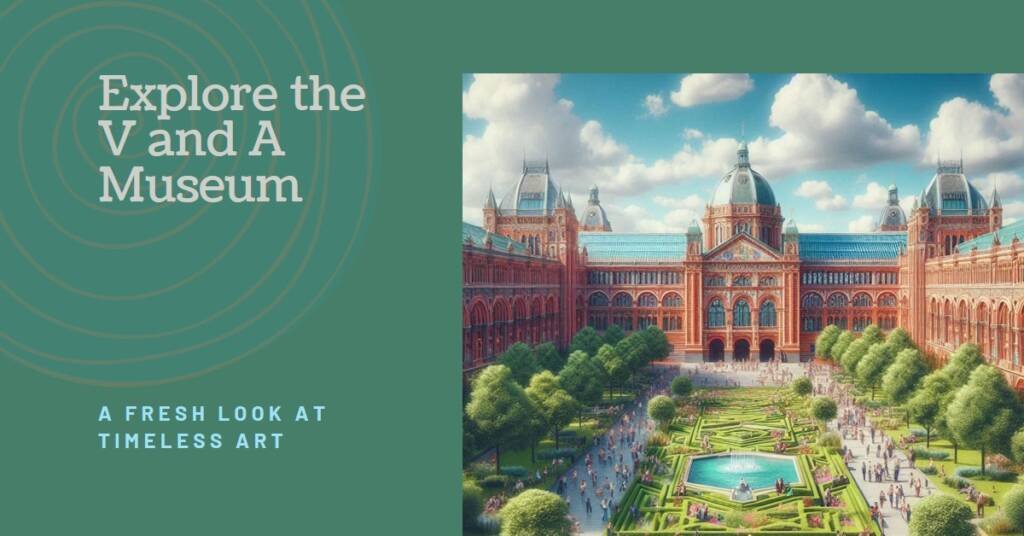
The Victoria and Albert Museum, commonly known as the V&A Museum, stands as a significant cultural institution in London, dedicated to art and design. Founded in 1852, the museum emerged from the Great Exhibition of 1851, a landmark event aimed at showcasing the industrial achievements of the Victorian era. The V&A was established with a mission to make decorative arts and design accessible to all, reflecting the period’s transformative shifts in cultural production and consumption.
Over the years, the V&A Museum has grown into one of the world’s foremost galleries, housing an unparalleled collection that spans over 5,000 years of art and design history. Its extensive array of exhibits includes textiles, ceramics, fashion, furniture, and photographs, representing diverse cultures from around the globe. The museum not only showcases historical artifacts but also engages visitors with contemporary art, indicating its commitment to evolving narratives in the fields of design and craftsmanship.
The significance of the V&A Museum extends beyond its impressive collections; it serves as a vital educational resource, fostering innovation and creativity through various programs, exhibitions, and collaborations. Drawing millions of visitors each year, the museum acts as a platform for dialogue and exploration of global art movements, design practices, and cultural exchanges. As you navigate through its galleries, it becomes evident that the V&A is not merely a repository of artifacts; it is a vibrant hub where history and modernity intersect, offering insights into the cultural zeitgeist of different eras.
The Evolution of Museum Experiences
The visitor experience in museums has undergone significant transformations over the years, particularly evident in institutions like the V&A Museum. Historically, museums were viewed as repositories of artifacts, where audiences engaged passively with exhibitions through conventional displays and static information. However, in recent years, there has been a marked shift towards audience engagement that prioritizes interactivity and personal connection with the content.
One of the most notable changes in museum experiences can be attributed to advancements in digital technology. Modern museums increasingly employ digital installations, augmented reality, and virtual reality experiences to captivate visitors. These innovations not only enhance the way exhibits are perceived but also allow visitors to engage with the materials in a more immersive manner. For instance, the V&A has embraced technology to create app-based guided tours and interactive installations that encourage visitors to explore their collections more deeply.
The growing importance of interactive experiences in museums is a response to the expectations of contemporary audiences, who often seek a more participatory role in cultural environments. Today’s visitors are inclined to seek out educational opportunities that foster dialogue rather than simply consume information. This evolution underscores the transition from traditional methods of display to user-centered experiences that invite participation. Many museums, including the V&A, have integrated hands-on activities, workshops, and live demonstrations tailored to different demographics, ensuring that experiences resonate across diverse groups.
As museums continue to adapt to these changing visitor preferences, they focus on creating inclusive environments that facilitate learning through engagement. By acknowledging the evolving landscape of audience expectations, the V&A and similar institutions set the stage for enriched museum experiences, reflecting the dynamic interplay between culture, technology, and society as a whole.
Highlighting Key Exhibitions and Installations
The Victoria and Albert Museum (V&A) has long been recognized as a hub for artistic expression and innovation, showcasing an array of exhibitions that reflect contemporary perspectives in art and design. One notable exhibition that has made a profound impact is the “Postmodernism: Style and Substance,” which delves into the aesthetics and cultural significance of the postmodern era. This exhibition cleverly intertwines various mediums, demonstrating how design embodies the complexities of modern life.
Another key highlight is the “Alice: Curiouser and Curiouser” exhibition, which offers a fresh interpretation of Lewis Carroll’s classic tale through contemporary art. This immersive experience encourages visitors to engage with the narrative in novel ways, showcasing the work of modern artists who draw inspiration from timeless literature. The exhibition’s innovative installations invite reflection on how stories shape our understanding of reality, exemplifying the museum’s commitment to connecting past and present artistic practices.
The V&A also actively collaborates with a range of contemporary artists through its “Design in an Age of Crisis” initiative, which seeks to address pressing global issues such as sustainability and accessibility. This initiative features installations that challenge viewers’ perceptions of design, encouraging them to consider the implications of their choices. One highlighted installation, created in partnership with renowned designer Issey Miyake, showcases sustainable fashion practices that marry aesthetics with environmental responsibility.
These key exhibitions and installations at the V&A not only reflect modern perspectives but also inspire visitors to think critically about the relationship between art, design, and society. By fostering an environment that celebrates innovation, the V&A continues to be a leading institution in showcasing how contemporary art can engage with the complexities of our world.
Debates Around Accessibility and Inclusivity
The discussions surrounding accessibility and inclusivity in museum spaces have gained significant momentum in recent years, prompting institutions like the Victoria and Albert Museum (V&A) to reevaluate their approach to engaging diverse audiences. Acknowledging the rich tapestry of backgrounds, abilities, and experiences that visitors bring, the V&A has launched various programs aimed at creating an inclusive environment. These initiatives demonstrate the museum’s commitment to breaking down barriers and ensuring that all individuals, regardless of their physical or cognitive abilities, feel welcomed and valued.
One of the key efforts made by the V&A is the implementation of accessible design principles. This includes features such as ramps, elevators, and tactile maps that aid navigation for visitors with mobility challenges. Additionally, the museum offers special tours tailored for individuals with visual impairments or cognitive disabilities, incorporating multisensory experiences that enhance engagement with the exhibitions. By embracing these modifications, the V&A not only fulfills legal obligations set forth by accessibility standards but also embraces a more profound ethos of equity and inclusion.
Moreover, the museum has proactively organized outreach programs aimed at fostering a sense of belonging among underrepresented communities. Collaborations with local schools, community organizations, and diverse cultural groups have resulted in events that celebrate various heritages and perspectives. This proactive approach ensures that the narratives told within the museum resonate with a wider audience, breaking down the notion of elitism often associated with traditional museum spaces.
Furthermore, the V&A continually seeks feedback from its audiences to assess its initiatives’ effectiveness and gather insights for future improvements. By encouraging open dialogue, the museum creates an environment where visitors feel empowered to express their needs and suggestions. Ultimately, these ongoing debates on accessibility and inclusivity reflect a broader cultural shift towards embracing diversity within the arts, ensuring that museums like the V&A remain vibrant and relevant in today’s society.
The Role of Digital Media in the Modern Museum
The integration of digital media within the confines of the Victoria and Albert Museum (V&A) represents a significant evolution in the way museums engage their audiences. Digital technology serves not only as a tool for enhanced visitor experience but also as a means of bridging the gap between historical artifacts and contemporary understanding. Through innovative applications such as augmented reality (AR) and virtual reality (VR), visitors are offered immersive experiences that transcend traditional display methods.
AR technology has transformed the way visitors interact with the V&A’s diverse collections. For instance, AR applications allow guests to view historical objects in their original contextual settings, providing a richer narrative around the items on display. This technology enables individuals to see how artworks were originally utilized or how design elements have evolved over time. As a result, visitors can forge a deeper connection with the exhibits, fostering an appreciation that is often lost in conventional presentations.
Moreover, the use of digital guides has emerged as a vital component of the modern museum experience. These guides, accessible via smartphones or provided devices, offer interactive content that complements the static displays. They often include audio narratives, video contents, and detailed descriptions that elucidate the significance of various artworks. By tailoring the information to individual preferences and interests, these digital tools enhance the educational aspects of the V&A, making the experience more personalized and dynamic.
In addition, VR experiences allow visitors to immerse themselves virtually in different time periods or artistic processes, breaking the boundaries of physical exhibit spaces. This innovative approach not only captivates the audience but also encourages re-engagement with the museum’s varied offerings. In conclusion, digital media at the V&A Museum demonstrates its potency in revitalizing historical content, making it more accessible and engaging for visitors of all ages.
Sustainability and the Future of Museum Practices
In recent years, the importance of sustainability within the museum sector has grown significantly, reflecting broader societal shifts towards environmentally responsible practices. At the forefront of this movement is the Victoria and Albert Museum (V&A), which has made substantial strides in implementing sustainable initiatives across various facets of its operations. This commitment to sustainability not only enhances the museum’s environmental footprint but also sets a standard for others in the cultural sector.
One prominent area of focus is exhibition design. The V&A has embraced innovative practices that prioritize the use of recycled materials and the integration of energy-efficient technologies. For instance, temporary exhibitions now often feature modular designs that can be easily reconfigured for multiple purposes, reducing material wastage. Moreover, lighting solutions are increasingly incorporating LED technology, significantly lowering energy consumption without compromising the quality of the experience for visitors.
In terms of collections management, the V&A has adopted strategies aimed at prolonging the lifespan of its artifacts and minimizing environmental impact. This includes utilizing sustainable conservation methods that reduce the use of harmful chemicals while preserving the integrity of the collections. The museum also emphasizes digital conservation techniques, which not only safeguard the artifacts but also facilitate broader access without the need for physical travel, thereby reducing carbon emissions.
Community outreach initiatives play a critical role in the V&A’s approach to sustainability. The museum has engaged local communities through educational programs and workshops, raising awareness of environmental issues and promoting sustainable practices beyond its walls. By fostering a spirit of collaboration and shared responsibility, the V&A aims to cultivate an informed public that actively participates in sustainability efforts.
As these practices evolve, they not only reshape the operational landscape of the V&A but also contribute to a broader paradigm shift in how museums interact with their surroundings. Such a commitment to sustainability will not only define the future of the V&A but may also inspire other institutions to adopt similar practices, paving the way for a more responsible museum sector overall.
Community Engagement and Outreach Programs
The Victoria and Albert Museum (V&A) has increasingly recognized the significance of community engagement and outreach in contemporary museum practice. This evolution reflects a modern understanding of the museum’s role not merely as a repository of artifacts but as an active participant in societal discourse. With a diverse array of initiatives, the V&A seeks to cultivate meaningful relationships with various communities, thereby enhancing its relevance and accessibility.
One of the main pillars of the V&A’s community outreach endeavors is its educational programs, tailored to cater to individuals of all ages. Through workshops, curated tours, and interactive sessions, the museum provides opportunities for local residents to engage with art, design, and culture in profound ways. These programs not only serve educational purposes but also foster a sense of ownership and connection to the museum’s extensive collections. Moreover, partnerships with local schools and community organizations allow the V&A to reach individuals who may have been previously underserved, ensuring that arts and culture are accessible to all.
In addition to educational initiatives, the museum regularly hosts community events designed to foster dialogue and collaboration among diverse groups. These events often feature local artists, designers, and craftspeople, showcasing their talents while also allowing community members to contribute their perspectives and experiences. By creating spaces for cultural exchange, the V&A demonstrates a commitment to inclusivity and participation, reinforcing its role as a community hub.
Through these various outreach efforts, the V&A not only connects with local communities but also adapts to their evolving needs and interests. Ultimately, its community engagement programs reflect a deeper understanding of how museums can contribute to societal well-being while enriching the cultural landscape. By integrating modern perspectives into its mission, the V&A continues to redefine the purpose of museums in the 21st century.
Visitor Feedback and the Need for Ongoing Improvement
Visitor feedback is an essential component for enhancing the experiences offered at the V&A Museum. This prestigious institution recognizes that understanding the perspectives and suggestions of its attendees plays a pivotal role in shaping the museum’s exhibitions and programming. The V&A employs several methods to collect feedback, ensuring that it acts upon the insights received from those who engage with its collections.
One of the primary avenues for collecting visitor feedback is through surveys conducted both on-site and online. These surveys cover various aspects, including visitor satisfaction with exhibitions, accessibility, and educational programming. Additionally, interactive kiosks placed throughout the museum facilitate real-time feedback from visitors, allowing them to voice their opinions immediately after their experiences. The responses garnered from these initiatives provide invaluable data that guides the museum’s strategic decisions and helps tailor its offerings to better meet the needs of its audience.
Furthermore, the V&A actively engages with its community through social media platforms and public forums, fostering a two-way dialogue with its visitors. This approach not only enables the museum to generate more comprehensive insights but also makes the public feel directly involved in the decision-making process. As a result, programming can be adapted, and exhibitions can be rotated based on popular demand or suggestions highlighted by visitors.
In essence, the continual process of collecting and acting on visitor feedback significantly influences the V&A Museum’s ongoing improvements. By focusing on audience engagement and adapting to their evolving preferences, the museum enhances visitor satisfaction and retains its status as a leading cultural institution. This commitment to improvement ultimately ensures that the V&A remains relevant and accessible to both new and returning visitors.
Conclusion: The Future of the V&A Museum
The V&A Museum stands as a testament to the evolution of art, design, and cultural heritage. As contemporary society continues to change, the museum must adapt to maintain its relevance and significance. Embracing innovation is paramount, as the integration of technology into exhibitions and educational programs has proven essential in enhancing visitor engagement. Virtual reality experiences, interactive installations, and online resources are just a few of the advancements that the museum has adopted to cater to a diverse audience.
Furthermore, the importance of community connection cannot be overstated. The V&A Museum’s efforts to forge partnerships with local organizations, schools, and international entities demonstrate its commitment to inclusivity and accessibility. By doing so, the museum not only enriches the cultural landscape but also fosters a sense of belonging among various demographics. This approach ensures that the narratives represented in the museum resonate deeply with visitors, making the V&A a crucial hub for dialogue and exchange.
As we look towards the future, the V&A Museum must continue to reflect upon its mission to inspire creativity and facilitate learning. By prioritizing adaptability, the museum can effectively respond to societal changes and evolving visitor expectations. The embrace of innovative practices, in tandem with a strong focus on community engagement, will help solidify the V&A’s position as a leading institution in the art and design world. Such endeavors will not only preserve the museum’s historic collections but also reimagine its role in contemporary society, ensuring that it remains a dynamic space for exploration and inspiration for generations to come.