Table of Contents
- Introduction to Calatrava’s Vision
- Historical Significance of the PATH Station
- Design Features of the New PATH Station
- Environmental Considerations and Sustainability
- Community Impact and Economic Benefits
- Challenges Faced During Construction
- Public Reception and Criticism
- Future Developments and Connectivity
- Conclusion: A New Era for NYC Transportation
Introduction to Calatrava’s Vision
Santiago Calatrava is a Spanish architect and engineer recognized for his innovative designs that blend architecture with the principles of engineering. His work is characterized by organic shapes that draw inspiration from nature, resulting in structures that are not only functional but also visually captivating. Calatrava’s unique approach to design often prompts a rethinking of traditional architectural forms, incorporating movement and fluidity into the static environments of public spaces. This distinctive style has garnered international acclaim, marked by creations such as the Milwaukee Art Museum and the City of Arts and Sciences in Valencia, Spain.
The PATH station in New York City, a recent project by Calatrava, is emblematic of his vision and craftsmanship. The design, reminiscent of a bird taking flight, symbolizes hope and renewal, a fitting representation in a city that has endured significant challenges over the years. Central to his concept is the idea of creating spaces that promote human connection while seamlessly integrating into their surrounding environment. Calatrava’s design philosophy emphasizes the importance of light and air, using expansive glass and steel to create an airy, inviting atmosphere that encourages movement and exploration. This approach not only enhances the user experience but also addresses the functional requirements of a major transit hub.
The inspiration for the PATH station is rooted in the aftermath of 9/11, as it serves as a memorial to resilience and rebirth in New York City. By focusing on natural forms and dynamic structural elements, Calatrava seeks to foster a sense of tranquility and continuity amid urban chaos. The PATH station represents more than just a transportation facility; it embodies the forward-thinking ethos of Calatrava’s architectural language, merging artistic expression with practical utility. As the station opens its doors, it stands as a testament to the power of visionary design in shaping the public experience within urban landscapes.
Historical Significance of the PATH Station
The PATH station in New York City, originally established in 1908, has played a crucial role in the development of urban transport within the metropolitan area. This transportation hub serves as a bridge connecting New Jersey’s extensive rail system with the heart of Manhattan, facilitating the movement of thousands of commuters daily. Over the years, the PATH station has undergone numerous remodels and expansions to accommodate the growing demands of the city, with its earliest iteration designed by architect William McElfatrick.
The original structure of the PATH station was a modest design aimed at practicality, but the events of September 11, 2001, prompted a re-evaluation of its role in the fabric of New York City. The station was severely damaged during the attacks, leading to a temporary closure and necessitating a complete redesign. The loss highlighted the vulnerability of transportation infrastructure in the face of crisis, and the subsequent rebuilding efforts sought not only to restore the functionality of the station but also to enhance its cultural and historical significance.
In light of these developments, a new design was commissioned, led by architect Santiago Calatrava. The new PATH station, known as the Oculus, represents a shift toward a more modern, resilient infrastructure that honors the memory of the past while looking forward to the future. The design incorporates elements that symbolize hope and rebirth, transforming the station from a mere transport hub to a landmark that pays homage to the resilience of New Yorkers. This renewed commitment to infrastructure not only underlines the importance of the PATH station within the city’s transportation network but also celebrates its historical spirit as a vital conduit between diverse communities in the region.
Design Features of the New PATH Station
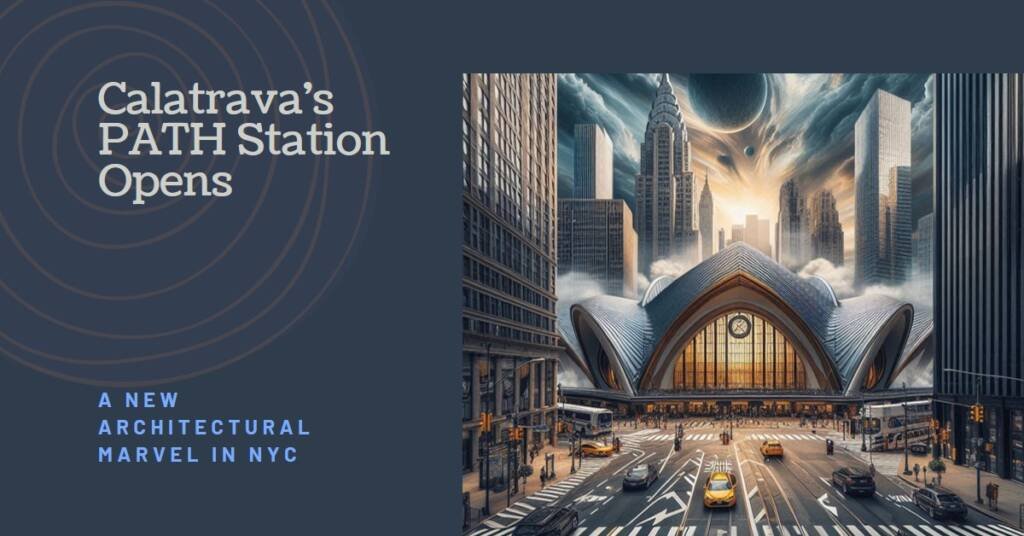
The innovative design features of Santiago Calatrava’s PATH Station epitomize modern architecture while catering to the practical needs of urban commuters. One of the most striking elements is the rib-like structure, which resembles an avian form taking flight. This intricate design not only serves an aesthetic purpose but also plays a vital role in the station’s structural integrity. The ribs, extending outward, create a dynamic visual alignment that draws the eye upward, providing a sense of grandeur and open space.
Expansive glass panels throughout the station enhance the interior’s visibility and allow for abundant natural light to filter in. This thoughtful integration of glass creates a bright and welcoming atmosphere, contrasting sharply with the traditional, often dimly lit subterranean transit spaces. The central Oculus, a signature feature of the design, acts as both a skylight and a symbolic representation of hope and renewal. By positioning this feature at the heart of the station, Calatrava emphasizes the importance of light as a guiding force in urban life.
In designing the PATH Station, consideration was also given to the natural flow of foot traffic. The open layout promotes an inviting environment, encouraging movement and accessibility. Commuters are greeted with clear sightlines and unobstructed pathways, fostering an intuitive transit experience. The overall architectural language speaks to both functionality and inspiration, serving as a modern-day cathedral for commuters.
This station not only represents a practical transport hub but also a work of art that encapsulates the spirit of New York City. By intertwining form and function, Calatrava’s PATH Station becomes a celebrated landmark, ensuring that the essence of urban life is both functional and aesthetically impactful.
Environmental Considerations and Sustainability
The dedication to sustainability is an integral component of the design and construction of Calatrava’s PATH station in New York City. Recognizing the urgent need for eco-friendly architecture, the project has been meticulously planned to incorporate a variety of sustainable practices. At the forefront of these efforts is the implementation of energy-efficient systems, which are essential for minimizing the building’s carbon footprint. By utilizing advanced heating, ventilation, and air conditioning (HVAC) technologies, the PATH station is designed to consume considerably less energy compared to traditional urban structures.
In addition to energy efficiency, the PATH station emphasizes the use of recycled materials throughout its construction. The integration of salvaged and repurposed materials not only reduces waste but also lessens the demand for new resources. This approach contributes to a more circular economy, aligning with contemporary sustainability principles. The use of locally sourced materials further enhances this initiative, supporting regional businesses while simultaneously cutting down on transportation emissions.
Water management is another critical aspect of the station’s eco-conscious design. The incorporation of rainwater harvesting systems allows for the collection and reuse of stormwater, reducing reliance on the municipal water supply. This sustainable practice not only helps in conserving water but also aids in managing runoff, which can be a significant issue in urban settings. Furthermore, permeable surfaces are utilized in landscaping to improve absorption and mitigate flooding, demonstrating a proactive approach to environmental challenges.
Calatrava’s commitment to environmental stewardship is evident in every facet of the PATH station, reflecting a progressive shift in urban design. By harmonizing cutting-edge technology with sustainable practices, the project sets a benchmark for future developments, emphasizing the importance of ecological responsibility in modern architecture.
Community Impact and Economic Benefits
The opening of Santiago Calatrava’s PATH station is poised to yield significant community impact and economic benefits for New York City. First and foremost, the new station is expected to increase foot traffic in the area, facilitating greater access to the Financial District and boosting local businesses. With an anticipated surge in daily commuters and tourists alike, local shops, cafes, and restaurants stand to benefit from heightened visibility and patronage, leading to potential increases in sales and revenue.
Furthermore, the station’s enhanced connectivity serves as a crucial link between New Jersey and New York. By improving accessibility for residents and visitors, the PATH station may attract investment in the surrounding vicinity, encouraging new businesses to establish themselves in the area. This integration will not only support existing enterprises but will also lead to the creation of new jobs, contributing positively to the local economy.
Community engagement has been an essential aspect of this project, with various stakeholders, including residents, business owners, and urban planners, partaking in discussions about the station’s design and functionality. Initial reactions have been largely positive, expressing excitement over the improved commuting experience and the anticipated economic boost. However, there are valid concerns regarding potential challenges, such as increased congestion or changes in the cultural landscape of the area. Addressing these concerns is vital for fostering a community that embraces the benefits of the PATH station while also preserving its unique character.
In conclusion, the opening of Calatrava’s PATH station promises to have a transformative effect on the local economy and community fabric. By enhancing connectivity and increasing foot traffic, the station can encourage economic growth while providing local residents and visitors with a more integrated urban experience.
Challenges Faced During Construction
The construction of Calatrava’s PATH station in New York City, formally known as the World Trade Center Transportation Hub, was marked by multiple challenges that tested the resilience and ingenuity of the team involved. One of the significant issues faced was budget overruns, which led to an escalating cost that was substantially higher than the initial estimates. Originally projected to cost around $2 billion, the final price tag soared to approximately $4 billion. This sharp increase raised concerns among stakeholders and the public alike, prompting inquiries into the management of the project’s finances.
Delays in the construction timeline also posed significant hurdles. Various factors contributed to these delays, including unforeseen complications related to the complex architectural design conceived by Santiago Calatrava. Weather conditions, such as severe winter storms, further hindered progress by influencing the construction schedule and creating additional complications on-site. Furthermore, the necessity of adhering to stringent safety regulations in the aftermath of the September 11 attacks added layers of complexity to the construction process, resulting in extended timelines.
Technical difficulties were an integral part of the construction process. Engineers had to navigate the challenges posed by the ambitious design, which includes massive, rib-like structures resembling the wings of a bird. The innovative design required specialized materials and construction techniques, pushing the boundaries of engineering. Project managers and engineers often highlighted the need for collaboration and adaptability, necessitating regular communication among various teams to mitigate issues as they arose. Moreover, the integration of advanced technology for safety and efficiency contributed both to the project’s vision and its complications.
Ultimately, the challenges faced during the construction of the PATH station reflect a broader narrative of overcoming adversity in the face of significant obstacles. Lessons learned from this endeavor may serve as a valuable reference for future large-scale infrastructure projects.
Public Reception and Criticism
The recent opening of Santiago Calatrava’s PATH station in New York City has sparked a wide array of reactions from various stakeholders, encompassing media outlets, local officials, and the general public. Initially, many praised the futuristic design, which integrates ample natural light and striking architectural features reminiscent of a bird in flight. Such visual appeal has positioned the station as a potential architectural landmark, drawing positive attention for its aesthetic contributions to the area.
Nevertheless, the positive reception has not been universal. Critics have voiced concerns regarding the station’s exorbitant construction costs, which have escalated beyond initial projections. With a final price tag of approximately $4 billion, numerous observers question the financial justification of such an investment, particularly in the context of ongoing transportation infrastructure issues across the city. Discussions surrounding these expenses often highlight the necessity of cost-effective solutions that prioritize utility alongside design.
From a functionality standpoint, the station’s operational efficiency has also come under scrutiny. While the design has been lauded for its openness and visual appeal, some commuters have noted challenges in navigating the complex layout. Observers have claimed that the station may not effectively accommodate the high volume of daily users, particularly during peak commuting hours. Such criticisms raise questions about whether the artistic vision was prioritized over practical considerations, ultimately affecting the experience of the millions who rely on the PATH system.
In summary, the public reception and criticism surrounding the grand unveiling of Calatrava’s PATH station illustrate a dichotomy between the aspirations of innovative design and the realities of public transportation needs. The discussions provoked by this landmark structure reflect not only on the station itself but also on broader themes of urban design and expenditure in New York City’s infrastructure development.
Future Developments and Connectivity
The PATH station, designed by Santiago Calatrava, not only signifies an architectural marvel but also plays a critical role in New York City’s transportation network. As the city continues to evolve, future developments surrounding the PATH station are set to enhance its connectivity and accessibility. These expansions aim to create a seamless transportation experience for commuters and visitors alike.
One of the significant planned expansions includes the integration of the PATH station with nearby subway lines. This initiative seeks to establish a more interconnected transit system, allowing passengers to transfer easily between the PATH and the Metropolitan Transportation Authority (MTA) subway services. This connection is crucial as it will effectively reduce travel time and improve overall efficiency for users navigating the city’s bustling transportation landscape.
Furthermore, developments in nearby bus routes are being considered, ensuring that the PATH station serves as a central hub for multiple transit options. With enhanced bus services, riders will benefit from improved access to various neighborhoods, thereby extending their reach without the inconvenience of lengthy transfers. The inclusion of bike-sharing stations near the PATH is also part of the plan, encouraging environmentally friendly transit solutions while promoting active lifestyles among city dwellers.
Additionally, ongoing discussions regarding the station’s operational hours are taking place, with a focus on extending the hours to accommodate late-night travelers. This change is anticipated to make the PATH station a more viable option for those working unconventional hours or participating in nighttime events in the city, further establishing its significance as a key transit point.
In conclusion, the PATH station’s future developments are poised to enhance its connectivity with other systems in New York City, transforming it into a pivotal transit hub that meets the needs of an ever-changing urban environment. Enhancements like subway connections, bus route improvements, and extended operational hours are steps toward a more integrated and efficient transportation system for residents and visitors alike.


Conclusion: A New Era for NYC Transportation
The inauguration of Calatrava’s PATH station marks a pivotal moment in the evolution of New York City’s transportation infrastructure. The station is not merely a transit hub but a symbol of innovation and resilience in urban design, reflecting a commitment to creating spaces that are both functional and aesthetically pleasing. The dramatic architecture of the station, characterized by its striking, wing-like structures, has already begun to redefine the visual landscape of Lower Manhattan, offering a fresh perspective on what a modern transportation facility can be.
This architectural marvel stands as a testament to the importance of integrating design excellence with functionality. By facilitating connections between various modes of transport while also serving as a public gathering space, the PATH station underscores the potential for future infrastructure projects to prioritize user experience alongside efficiency. As urban planners and architects look to the future, the principles demonstrated in this project may inspire them to incorporate similar innovative designs in upcoming developments, reinforcing the role of public architecture in enhancing city life.
Furthermore, this station illustrates how thoughtful infrastructure can stimulate economic growth and foster community engagement. Its central location and expansive design are likely to attract not only commuters but also tourists seeking to experience the cultural richness of New York City. This amplification of foot traffic could lead to broader economic opportunities for local businesses in the vicinity, forming a symbiotic relationship between transportation and economic development.
In conclusion, the opening of Calatrava’s PATH station is a significant achievement for New York City, ushering in a new era of transportation that prioritizes innovative design and user-centric functionality. Its impact will likely resonate beyond the borders of New York, providing a blueprint for future urban projects that aspire to merge aesthetic appeal with essential services. As cities around the world face similar challenges, the lessons learned from this endeavor will undoubtedly shape the discourse on modern infrastructure development.