Table of Contents
- Introduction to Exterior Insulation and Finishing Systems (EIFS)
- Benefits of EIFS
- Sustainability Aspects of EIFS
- Installation Process of EIFS
- Maintenance and Durability of EIFS
- Case Studies: Successful EIFS Projects
- Comparative Analysis: EIFS vs. Traditional Insulation Systems
- Future Trends in EIFS and Sustainable Construction
- Conclusion: The Role of EIFS in Sustainable Building Practices
Introduction to Exterior Insulation and Finishing Systems (EIFS)
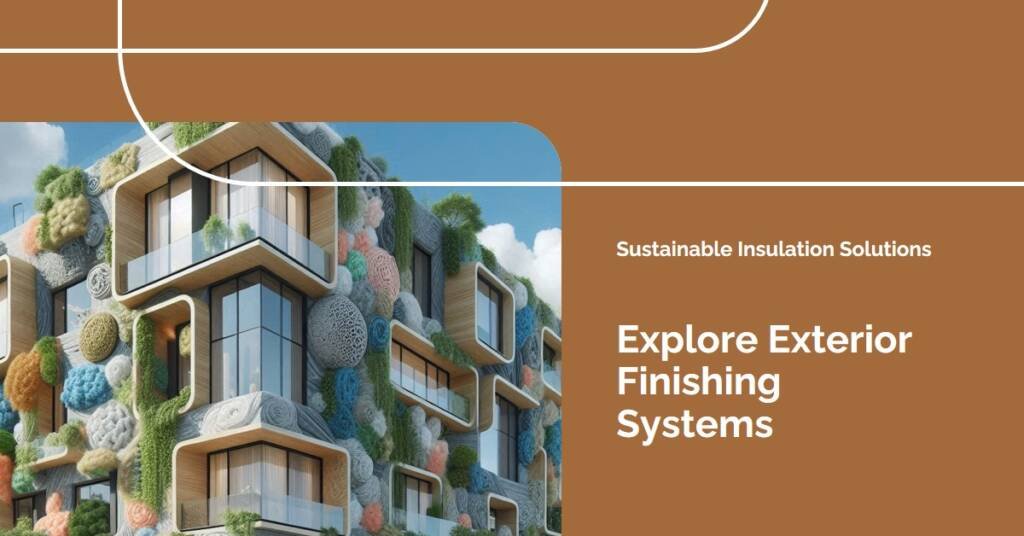
Exterior Insulation and Finishing Systems, commonly referred to as EIFS, represent an innovative building technology that enhances the energy efficiency and aesthetic appeal of buildings. EIFS typically consists of an insulated foam board attached to the exterior of a structure, which is then covered with a finishing coat that can be textured or painted to achieve the desired look. The primary components of an EIFS system include an insulation layer, a base coat, reinforcing mesh, and a finish coat, all of which work in harmony to create a seamless outer layer that protects against weather elements.
The usage of EIFS can be traced back to Europe in the early 1960s, where architects began seeking efficient and cost-effective methods for insulation and finishing for buildings. This technique was introduced to the North American market shortly thereafter and has since evolved to accommodate various design requirements and climatic conditions. Today, EIFS stands out as a sustainable option in modern construction practices, as it promotes energy efficiency and reduces reliance on traditional, resource-intensive construction materials.
One of the key benefits of EIFS lies in its ability to improve a building’s thermal performance significantly. By providing continuous insulation, it minimizes thermal bridging, which occurs when heat flows through materials at different rates, resulting in increased energy consumption. Furthermore, the trend towards sustainable building practices is driving demand for EIFS, as builders and architects increasingly prioritize environmentally friendly materials and methods. As the construction industry continues to pivot towards sustainability, EIFS emerges as a prominent choice for meeting both building performance and aesthetic goals while contributing to the broader objective of reducing carbon footprints in the built environment.
Benefits of EIFS
Exterior Insulation and Finishing Systems (EIFS) offer a range of advantages that make them a popular choice in modern construction. One of the primary benefits of EIFS is its energy efficiency. By utilizing an insulative layer on the exterior of buildings, EIFS significantly reduces air infiltration and thermal bridging. This results in lower energy consumption for heating and cooling, translating to reduced utility bills for homeowners and businesses alike.
Another important aspect of EIFS is its improved thermal performance. The continuous insulation provided by EIFS helps maintain consistent indoor temperatures, enhancing comfort within living and working environments. This thermal performance not only reduces the need for mechanical heating and cooling but also contributes to a smaller carbon footprint, aligning with contemporary sustainability goals.
Moisture control is another significant advantage inherent to EIFS. The system is designed with a moisture management strategy that includes drainage planes and vapor-permeable finishes. This design helps to prevent moisture accumulation within wall assemblies, which can lead to mold, mildew, and structural damage over time. As a result, EIFS systems provide longevity and reduced maintenance costs, further solidifying their value in construction.
Aesthetic appeal is also a noteworthy benefit of EIFS. The versatility of the materials used allows for a wide range of finishes, colors, and textures, meeting various design preferences while enhancing the overall elegance of a building’s exterior. This aesthetic flexibility makes EIFS suitable for diverse architectural styles, enabling homeowners and developers to create visually appealing structures that stand the test of time.
In conclusion, the benefits of EIFS greatly underscore its effectiveness as a sustainable solution in construction, offering energy savings, enhanced thermal performance, moisture control, and aesthetic versatility that collectively enhance the quality of built environments.
Sustainability Aspects of EIFS
Exterior Insulation and Finishing Systems (EIFS) are increasingly recognized for their sustainable attributes, presenting a multitude of benefits that align with environmentally conscious building practices. One of the prominent features of EIFS is its ability to incorporate recycled materials in its composition. The utilization of these materials not only diverts waste from landfills but also reduces the demand for virgin resources, consequently lessening the overall environmental impact of construction. This conscious effort of resource management showcases how EIFS contributes positively to sustainability initiatives.
Another significant sustainability aspect of EIFS is its effectiveness in enhancing energy efficiency in buildings. By providing superior insulation, EIFS helps in reducing the demand for heating and cooling systems. This reduction in energy consumption translates to lower greenhouse gas emissions, further supporting efforts to combat climate change. Buildings equipped with EIFS can maintain comfortable indoor climates with less reliance on traditional energy sources, thus promoting a more sustainable approach to living and working environments.
Moreover, the lightweight nature of EIFS contributes to diminished resource use during transport and installation. As a result, the carbon footprint associated with logistics is significantly minimized, aligning with broader sustainability goals. The diminished weight also implies less stress on structural components of a building, which can potentially lead to longer lifespans and reduced material usage over time.
EIFS is also compatible with various green building certifications, such as LEED (Leadership in Energy and Environmental Design), which recognize and validate sustainable construction practices. Builders who prioritize sustainability often choose EIFS for its alignment with these certifications, thereby enhancing the credibility and marketability of their projects. This multifaceted sustainability profile positions EIFS as a favored solution among those committed to eco-friendly building strategies.
Installation Process of EIFS
The installation of Exterior Insulation and Finishing Systems (EIFS) is a meticulous process that requires careful attention to detail and adherence to best practices to ensure optimal performance and longevity. The first step in the installation process involves a thorough site assessment and preparation, ensuring that the substrate is clean, dry, and sound. This preparation phase is critical as it lays the groundwork for the effective adhesion of the insulation board.
Once the substrate is deemed ready, installers begin applying the insulation board, which is typically made of expanded polystyrene (EPS). The insulation panels are adhered to the wall surface using a compatible adhesive or mechanical fasteners, depending on the building structure and local codes. This step is crucial because the quality of the bond affects the system’s energy efficiency and resistance to moisture infiltration.
After the insulation boards are securely in place, the next phase involves the application of a base coat, which serves to protect the insulation and create a suitable surface for the finish coat. This base coat is often reinforced with fiberglass mesh to enhance the system’s structural integrity and durability. Proper application of the base coat ensures that it adheres well to the insulation, minimizing the likelihood of cracks or delamination over time.
Subsequently, installers apply the finish coat, which is available in various textures and colors, allowing for aesthetic customization of the building façade. This coat is not solely decorative; it also provides a weather-resistant barrier that is integral to maintaining the system’s sustainability features. It is essential that professionals with experience in EIFS are engaged in the finishing process to ensure uniformity and adherence to the specified design.
The mastery of various installation techniques and a strong understanding of workmanship considerations are vital in this process. Engaging skilled professionals who are knowledgeable about EIFS can significantly impact the longevity and effectiveness of the system, ensuring that the sustainability benefits are fully realized.
Maintenance and Durability of EIFS
Exterior Insulation and Finishing Systems (EIFS) are renowned for their durability and energy efficiency, making them an increasingly popular choice for building exteriors. Typically, EIFS can last for up to 25 years or more with proper maintenance and care. This longevity is largely attributed to the system’s ability to provide insulation while protecting the structure from various weather conditions. However, like any building material, the performance of EIFS relies heavily on regular upkeep, which is essential to preserving its functionality and aesthetics.
Maintenance for EIFS is relatively straightforward. It primarily involves periodic inspections and cleaning of the surface to prevent the buildup of dirt, mold, and mildew. Additionally, homeowners should check for any signs of damage, such as cracks or bulging, which can allow moisture penetration and lead to more serious issues if left unaddressed. Should minor damage occur, prompt repairs using an appropriate EIFS repair system will help prolong its lifespan and maintain its visual appeal. Additionally, repainting the surface every few years not only enhances the aesthetics but also serves as a protective barrier against the elements.
Weather conditions can significantly impact the performance of EIFS. While the system is designed to withstand rain, snow, and sun exposure, improper installation can lead to water infiltration, which may cause mold growth and structural damage over time. Ensuring that the EIFS is installed correctly, with attention to drainage and flashings, will mitigate these risks. In conclusion, with proper maintenance and timely repairs, EIFS can provide a durable, weather-resistant exterior that meets the demands of sustainability while delivering energy efficiency well into the future.
Case Studies: Successful EIFS Projects
Exterior Insulation and Finishing Systems (EIFS) have gained recognition as a viable and sustainable solution for various building projects. To illustrate the benefits and effectiveness of this system, we will explore several case studies that showcase successful EIFS implementations. These examples reveal how EIFS addresses industry challenges while enhancing building performance.
One noteworthy project is the renovation of a municipal library in a temperate climate area. The objective was to improve the building’s energy efficiency while maintaining its aesthetic appeal. The implementation of EIFS involved the addition of a continuous layer of insulation wrapped in a custom-designed finish. Challenges included adhering to strict local building codes and ensuring longevity in a historically significant structure. Ultimately, the library achieved a significant reduction in energy costs and improved user comfort due to its enhanced thermal performance.
Another compelling example is the construction of a residential complex in a coastal environment. The developer aimed to create visually striking facades while ensuring resistance to harsh weather conditions. EIFS provided the solution, as it not only offered design versatility but also delivered adequate insulation. The implementation faced challenges related to moisture control and appropriate detailing. Following thorough planning and execution, the project resulted in a robust structure, with a significant decrease in heating and cooling requirements, exemplifying the benefits of EIFS.
Finally, the conversion of a commercial facility into a mixed-use development presented significant hurdles in terms of sustainability and energy efficiency. By adopting EIFS, the project team addressed these concerns effectively. The implementation involved recycling existing materials and incorporating renewable resources. Post-completion evaluations indicated a remarkable improvement in the building’s operational efficiency, demonstrating the potential of EIFS in reducing overall energy consumption.
These case studies exemplify the successful application of EIFS. They highlight the challenges faced during implementation and the subsequent benefits achieved, including energy efficiency, aesthetic enhancement, and durability. Such real-world applications reinforce EIFS as a sustainable solution in modern construction practices.
Comparative Analysis: EIFS vs. Traditional Insulation Systems
When evaluating insulation solutions for buildings, it’s imperative to compare Exterior Insulation and Finishing Systems (EIFS) with traditional insulation systems. EIFS is a versatile building envelope system that consists of insulation board, adhesive, and a protective finish, whereas traditional insulation often relies on batt, foam board, or spray foam methods. Each approach offers unique benefits and drawbacks in several key areas: performance, cost-effectiveness, installation efficiency, and sustainability.
In terms of performance, EIFS systems typically provide superior thermal efficiency due to their continuous insulation, which minimizes thermal bridging. This results in reduced energy consumption for heating and cooling, enhancing overall energy efficiency. In contrast, traditional insulation methods may create gaps and seams that can compromise effective temperature control, leading to higher energy costs.
Cost-effectiveness is another critical comparison point. While the initial investment for EIFS can be higher due to specialized materials and labor, the long-term savings from lower energy bills and reduced maintenance costs can be significant. Traditional insulation systems tend to have lower upfront costs, but their susceptibility to moisture and environmental factors may lead to higher ongoing maintenance expenses, ultimately driving up lifecycle costs.
When considering installation efficiency, EIFS can be applied quickly and in various weather conditions, contributing to project timelines. Traditional insulation, on the other hand, may require extensive preparation and specific installation conditions to achieve the desired performance. This aspect of installation efficiency is essential for commercial projects with tight schedules.
Lastly, sustainability plays a vital role in the choice of insulation systems. EIFS typically incorporates materials with high durability and lower environmental impact, aligning with green building practices. Many traditional insulation products, while effective, may not offer the same environmental benefits due to issues like off-gassing or shorter lifespans.
Future Trends in EIFS and Sustainable Construction
The construction industry is witnessing a transformative shift towards sustainability, with Exterior Insulation and Finishing Systems (EIFS) playing a pivotal role. As we look ahead, several emerging trends indicate a growing emphasis on innovative materials and installation practices that enhance the sustainability of EIFS. Manufacturers are increasingly exploring advanced material technologies, such as bio-based composites and recycled materials, to minimize the environmental impact of exterior insulation systems.
One significant trend is the development of water-resistant EIFS options that maintain high thermal performance while ensuring longevity and durability. These innovative products are not only aimed at improving energy efficiency—an essential consideration in sustainable construction—but also at reducing maintenance needs, thereby promoting a more sustainable lifecycle. The integration of ventilation systems within EIFS is another advancement, allowing for better moisture management and temperature regulation.
Moreover, as energy efficiency standards continue to evolve, building codes are increasingly favoring designs that minimize energy consumption. This shift is compelling architects and builders to adopt EIFS not only for its insulation properties but also for its contributory role in meeting stringent energy performance criteria. The use of advanced modeling techniques, such as Building Information Modeling (BIM), aids stakeholders in envisioning the energy performance of structures before construction begins. This foresight allows for more informed decisions regarding material selection and system design.
Furthermore, an increase in demand for eco-friendly building practices is influencing the mainstream adoption of EIFS in both residential and commercial projects. The construction industry is now tasked with balancing aesthetic appeal, cost-effectiveness, and sustainability. By embracing evolving technologies and sustainable practices, the EIFS sector is set to flourish, paving the way for a more environmentally responsible future in construction.
Conclusion: The Role of EIFS in Sustainable Building Practices
Exterior Insulation and Finishing Systems (EIFS) have emerged as significant components in the movement towards sustainable building practices. As the construction industry increasingly prioritizes energy efficiency, environmental impact, and resource conservation, EIFS offers an effective solution. The unique design of EIFS not only enhances the aesthetic appeal of buildings but also significantly improves their energy performance. This is vital in today’s world, where reducing carbon footprints and enhancing energy efficiency are paramount.
The core advantage of EIFS lies in its ability to provide thermal insulation that minimizes energy consumption. By creating a continuous insulation layer on the exterior walls, EIFS reduces thermal bridging, which is often a weakness in traditional building methods. This reduction in thermal transfer contributes to lower heating and cooling costs, making EIFS a financially viable option for both new constructions and retrofitting existing structures. Moreover, this energy efficiency translates to a significant decrease in greenhouse gas emissions, thereby supporting global sustainability efforts.
Additionally, the diverse range of finishes available with EIFS allows for various aesthetic possibilities without compromising on its performance. This flexibility means that architects and builders can create visually appealing structures that align with specific design visions while also committing to eco-friendly practices. Furthermore, EIFS materials can often be sourced sustainably, reinforcing a commitment to responsible resource use.
Incorporating EIFS into future construction projects is not merely an architectural choice; it is a proactive step towards a sustainable future. By selecting materials that offer higher energy efficiencies and lower environmental impacts, the building industry can play a pivotal role in addressing climate change. As awareness and demand for sustainable solutions continue to evolve, EIFS stands out as a foundational element in the transition towards greener construction practices.