Table of Contents
- Introduction to Meenakari Art
- The Vision Behind the Museum
- Architectural Design by Studio Lotus
- Flagship Store Offerings
- Cultural Significance and Community Engagement
- Visitor Experience: A Journey Through Time
- Innovations in Meenakari Art
- Future Prospects for Meenakari Art
- Conclusion: The Essence of Meenakari Heritage
Introduction to Meenakari Art
Meenakari art, a mesmerizing form of enameling, holds a significant place in the rich tapestry of Indian culture. Originating from the Persian word “meenakari,” which signifies ‘enameling,’ this art form involves the intricate technique of applying colorful enamels to metal surfaces, particularly gold and silver. The history of Meenakari can be traced back to the Mughal era, flourishing under the patronage of emperors who appreciated the delicate craftsmanship and vibrant outcomes of this art form.
The evolution of Meenakari art is noteworthy, as it has transcended its royal origins, becoming a celebrated craftsmanship among artisans across various regions in India. Initially, Meenakari techniques were predominantly implemented in the creation of jewelry, but over time, artisans expanded their expertise to produce a diverse range of decorative items, including plates, bowls, and even larger decorative pieces for homes. This evolution showcases the adaptability and enduring appeal of Meenakari artistry, making it a focal point in Indian heritage.
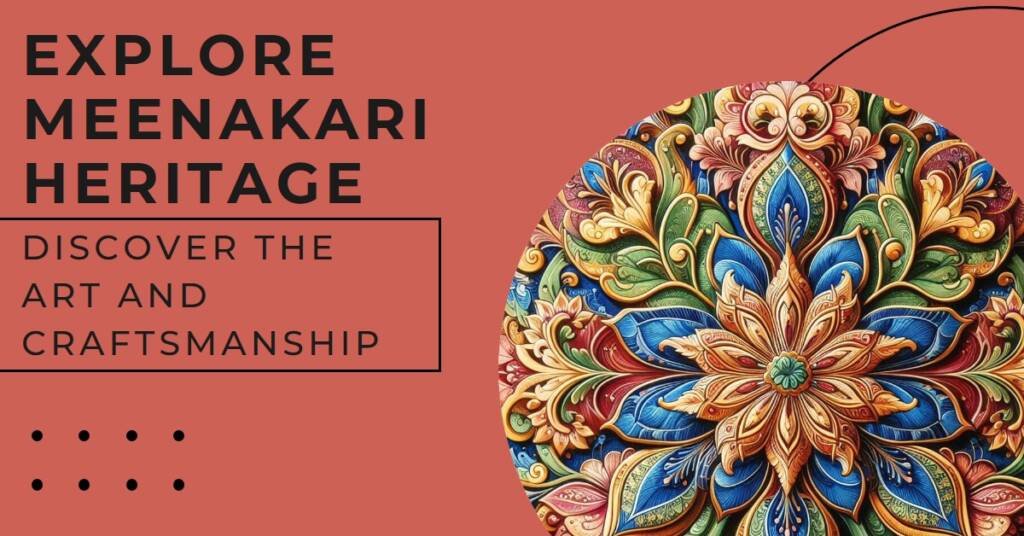
Central to Meenakari’s aesthetic appeal is the meticulous craftsmanship required in its creation. Artisans skillfully apply vibrant colors to the metal surfaces and then fire them at high temperatures, resulting in intricate patterns and vivid hues that speak to the artistry involved. The vivid blues, greens, and reds, often combined with intricate designs, highlight the diversity in this art form. The dedication to detail and the passion for creating exceptional works reinforce the significance of Meenakari as an esteemed cultural heritage, embodying the spirit of creativity and artistry celebrated in Indian traditions.
The Vision Behind the Museum
The Museum of Meenakari Heritage, a pioneering initiative by Studio Lotus, was conceived with a multifaceted vision aimed at preserving the rich legacy of Meenakari art. This unique museum stands out not only as a repository of exquisite Meenakari artifacts but also as a cultural landmark designed to educate and inspire visitors about this intricate craft. The driving factors behind the museum’s establishment stem from a deep commitment to honoring and ensuring the continuity of traditional Meenakari techniques that have been passed down through generations.
At its core, the museum serves as a bridge between historical artistry and contemporary practices. The creators and curators of the museum envisioned a space where the beauty and craftsmanship of Meenakari could be showcased, while also providing insights into the processes that define this art form. By integrating modern design principles with traditional craftsmanship, the museum aims to highlight the relevance of Meenakari in today’s context, fostering an appreciation that resonates with both art enthusiasts and casual visitors alike.
The museum’s mission goes beyond mere preservation; it is also dedicated to fostering engagement and participation from diverse audiences. This involves curating interactive exhibits and educational programs that attract individuals of all ages. By demystifying Meenakari and making it accessible, the museum hopes to nurture a new generation of artisans and admirers dedicated to this historic craft. The aspirations of the museum highlight a thoughtful approach that intertwines art, history, and modern consumption, ultimately positioning it as a vital cultural resource for future exploration.
Architectural Design by Studio Lotus
The Museum of Meenakari Heritage stands as a testament to the innovative architectural design conceptualized by Studio Lotus, showcasing an exquisite interplay between traditional aesthetics and contemporary architectural practices. The design philosophy behind the museum is profoundly rooted in the essence of Meenakari art, a craft that celebrates color, intricate patterns, and ornate detailing. By drawing inspiration from these core attributes, Studio Lotus has ingeniously crafted a space that reverberates with cultural richness while seamlessly integrating modern sensibilities.
One of the defining characteristics of the museum is its harmonization of materials, utilizing indigenous resources that reflect the traditional methods of Meenakari artisans. The building is primarily constructed using locally sourced stone and handcrafted tiles, which not only echo the historical context but also contribute to the sustainability goals ingrained in the design. The use of these materials establishes a tactile connection with the visitor, offering a sensory experience that resonates with the legacy of Meenakari art.
The layout of the museum encapsulates open spaces that allow for fluid movement and natural light, enhancing both the interior ambiance and the overall visitor experience. Thoughtfully designed exhibition areas leverage the interplay of light and shadow, accentuating the vibrant colors and intricate patterns of the Meenakari pieces displayed. Additionally, the layout incorporates communal spaces that encourage interaction and dialogue among visitors, fostering a deeper appreciation for the craftsmanship on exhibit.
Furthermore, Studio Lotus has incorporated innovative sustainable practices, including rainwater harvesting and solar energy utilization. These elements of the design not only promote environmental stewardship but also align with the museum’s mission to honor the heritage of Meenakari art through a modern lens. The architectural design of the Museum of Meenakari Heritage, therefore, serves as a bridge between the past and the future, celebrating the elegance of tradition while advocating for a sustainable approach to contemporary architecture.
Flagship Store Offerings
The flagship store associated with the Museum of Meenakari Heritage by Studio Lotus offers a captivating array of products that reflect the intricate artistry and rich cultural heritage of Meenakari. Shoppers will find an impressive selection that includes exquisite jewelry pieces, stunning home décor items, and unique art pieces, all showcasing the distinct techniques and craftsmanship synonymous with this traditional art form. Each item is carefully crafted, often employing ancient techniques that have been passed down through generations, making them not just products but also stories of heritage.
The jewelry collection features an enchanting mix of necklaces, earrings, and bracelets, often adorned with colorful enamel designs that depict traditional motifs. Each piece serves as a testament to the skill and precision with which artisans have embraced Meenakari, allowing wearers not only to embrace beauty but also to carry a piece of culture with them. The vibrant colors and intricate details in the jewelry make them perfect for both formal occasions and everyday wear, appealing to a wide range of customers.
Furthermore, the store offers an assortment of home décor items, such as decorative plates and wall art that embody the essence of Meenakari. These pieces are designed to elevate living spaces, infusing them with an artistic flair that resonates with admirers of culture and craftsmanship alike. The art pieces, whether small sculptures or larger installations, serve as striking focal points in any space, effectively merging functionality with aesthetic appeal.
Overall, the flagship store embodies the spirit of Meenakari, presenting products that not only celebrate the craft but also provide an opportunity for both art enthusiasts and casual shoppers to engage with this unique cultural heritage. Each item reveals a glimpse into the dedication and artistry inherent in Meenakari, ensuring that patrons leave with more than just a purchase—they depart with an appreciation for an enduring tradition.
Cultural Significance and Community Engagement
The Museum of Meenakari Heritage and Flagship Store by Studio Lotus plays a vital role in preserving and promoting the rich cultural heritage of Meenakari, an intricate form of enameling that has historical significance in various art forms. Through its various initiatives, the museum not only showcases the beauty of Meenakari art but also serves as a hub for community engagement, fostering a deeper appreciation for this traditional craft.
One of the prominent features of the museum is its workshops, designed to engage both locals and tourists in the art of Meenakari. These workshops provide hands-on experience, enabling participants to understand the meticulous process involved in creating Meenakari pieces. By learning directly from skilled artisans, attendees gain insight into the techniques and cultural stories behind the art form, which significantly enhances their appreciation for Meenakari. In this way, the museum acts as an educational platform, ensuring that traditional crafts are transmitted from one generation to the next.
Moreover, the museum organizes various events and educational programs throughout the year, aimed at increasing awareness and understanding of Meenakari art. These events often feature exhibitions, talks by experts, and performances that highlight the cultural significance of the craft. By bringing the community together to celebrate this art form, the museum fosters a sense of pride and ownership among local artisans. Engaging the community in these activities not only enhances cultural awareness but also supports the livelihood of artisans, allowing them to showcase their skills and gain recognition for their craft.
Ultimately, the Museum of Meenakari Heritage serves as a crucial platform for cultural connectivity and community involvement, ensuring that Meenakari art remains relevant and cherished in contemporary society.
Visitor Experience: A Journey Through Time
The Museum of Meenakari Heritage offers an enriching experience that transports visitors into the heart of this exquisite art form. From the moment guests step inside, they are greeted by a visually stunning array of displays that highlight the intricate craftsmanship of Meenakari, a traditional enamel art of India. The design of the museum itself reflects the vibrancy and craftsmanship associated with Meenakari, creating an ambiance that enriches the overall experience.
As visitors navigate through the museum, they have the opportunity to engage with various exhibits that showcase historical pieces alongside contemporary works. Each exhibit is carefully curated to tell a story, documenting the evolution of Meenakari art through different epochs. The incorporation of guided tours enhances this exploration, as knowledgeable guides share insights into the technical processes behind the art, the cultural significance of the pieces, and anecdotes from artisans who continue the tradition today.
Moreover, interactive displays allow guests to partake in the Meenakari experience themselves. Workshops and demonstrations provide hands-on engagement, where audiences can learn basic techniques or even try their hand at creating their own pieces. This level of interaction ensures that visitors not only observe but also appreciate the skill and dedication involved in this unique art form.
Feedback from previous guests highlights the museum’s ability to resonate with diverse audiences. Many visitors express that their time spent at the museum not only deepens their understanding of Meenakari but also instills a profound respect for the artists preserving this heritage. Children are often fascinated by the colors and techniques, while adults find themselves moved by the stories encapsulated in the artwork. Overall, the Museum of Meenakari Heritage is not just an informational site; it is a celebration of culture and creativity, enriched by the stories shared between visitors and the artistry that speaks across generations.
Innovations in Meenakari Art
The Museum of Meenakari Heritage and Flagship Store by Studio Lotus serves as a remarkable testament to the evolution of Meenakari art. This traditional Indian craft, characterized by the intricate process of enameling metal, is undergoing significant transformations that reflect both adaptation to contemporary aesthetics and the integration of modern techniques. Artists are now employing advanced technologies alongside traditional methods, which enables them to experiment with new patterns and colors that resonate with current design preferences.
Contemporary interpretations of Meenakari are becoming increasingly popular, with artisans collaborating with modern designers from various fields. These partnerships allow for the infusion of fresh ideas into the traditional art form, giving it a new life while maintaining its cultural heritage. For example, some designers are using Meenakari techniques to create contemporary jewelry pieces, home décor items, and fashion accessories that appeal to the tastes of today’s consumers. This blending of old and new not only broadens the market for Meenakari products but also engages a younger audience who may not have previously connected with the art.
Furthermore, the importance of innovation within Meenakari art cannot be overstated. By embracing new materials such as eco-friendly enamels and sustainable metals, artisans are not only preserving the art form but also contributing to environmental sustainability. Workshops and exhibitions, like those featured at the museum, play a vital role in educating the public about these innovations. They equip both artists and patrons with a deeper understanding of how traditional crafts can evolve, ensuring their survival in a rapidly changing world. Through innovation, the legacy of Meenakari continues to thrive, bridging the gap between the past and the future.
Future Prospects for Meenakari Art
The future of Meenakari art in India and around the globe appears promising, particularly following the establishment of the Museum of Meenakari Heritage and Flagship Store by Studio Lotus. This prestigious institution not only serves as a repository of this traditional craft but also as a dynamic platform for its evolution and promotion. As more artisans gain recognition for their expertise in this intricate enamel work, a burgeoning interest in Meenakari is becoming evident among both domestic and international audiences.
An emerging trend is the integration of Meenakari art into contemporary design practices, appealing to a younger demographic that values craftsmanship and authenticity. This shift is evident in collaborations among artisans, designers, and brands, which promote Meenakari pieces as fashionable and functional art forms. As sustainability grows in importance, the labor-intensive nature of Meenakari aligns with these values, positioning it favorably in eco-conscious markets.
Technological advancements are also reshaping the dissemination and appreciation of Meenakari art. Online platforms enable artisans to reach a broader audience, allowing for a global appreciation of their work. Virtual exhibitions and augmented reality experiences can immerse viewers in the craft, showcasing the intricate details of Meenakari techniques that may be lost in traditional exhibitions. Additionally, social media serves as a powerful tool for artists to share their creative processes and designs, fostering community and interest.
Looking ahead, upcoming projects and exhibitions dedicated to Meenakari art can further enhance its visibility and relevance. Collaborations with educational institutions may inspire new generations of artisans to explore this craft, contributing to its preservation. Importantly, the Museum of Meenakari Heritage symbolizes a commitment to the art form, potentially becoming a hub for exhibitions, workshops, and scholarly discussions that will influence the future trajectory of Meenakari, ensuring its standing as a beloved cultural heritage.


Conclusion: The Essence of Meenakari Heritage
In summary, the Museum of Meenakari Heritage and Flagship Store by Studio Lotus serves as a vital custodian of Meenakari art, showcasing its intricate beauty and historical significance. This unique institution not only preserves traditional craftsmanship but also offers visitors an immersive experience into the rich cultural tapestry of India. Through its carefully curated exhibits, the museum reveals the evolution of Meenakari techniques, highlighting both historical artifacts and contemporary works that continue to embody this splendid art form.
The exploration of Meenakari traditions at the museum sheds light on the dedication of artisans who have carried these skills through generations. Each piece, adorned with vibrant colors and elaborate designs, tells a story of cultural heritage that deserves to be celebrated and sustained. The meticulous craftsmanship imbued in Meenakari reflects not only aesthetic appeal but also an enduring commitment to preserving Indian artistry in an ever-globalized world.
Additionally, the museum functions as an important educational platform, enabling visitors to engage with experienced artisans and participate in workshops. These initiatives foster a deeper appreciation and understanding of Meenakari, motivating individuals to support the artisans and their craft. By actively promoting the significance of this art form, the Museum of Meenakari Heritage encourages a vibrant connection between the past and present, ensuring that future generations will have the opportunity to inherit this rich cultural legacy.
As awareness and interest in Meenakari heritage grow, we invite readers to visit the museum and immerse themselves in its treasures. Supporting this institution means not only experiencing the beauty of Meenakari art firsthand but also contributing to the preservation of an essential part of India’s cultural identity. Together, we can ensure that the legacy of Meenakari continues to thrive, enriching the tapestry of Indian heritage for years to come.