Table of Contents
- Introduction to FitNation Exhibition
- History and Evolution of the FitNation Exhibition
- Key Themes and Innovations Displayed
- Highlights from Notable Architects and Firms
- Workshops, Panels, and Networking Opportunities
- Visitor Experience: What to Expect
- The Role of Architecture in Promoting Wellness and Sustainability
- Global Influence and Reach of FitNation Exhibition
- Conclusion: The Future of Architecture as Shown at FitNation
Introduction to FitNation Exhibition
The FitNation Exhibition stands as a landmark event in the realm of innovative architecture, drawing attention not only from industry professionals but also from the general public. This annual gathering is designed to showcase pioneering architectural trends, sustainable design practices, and cutting-edge technologies. The significance of the FitNation Exhibition lies in its ability to foster dialogue among architects, designers, and enthusiasts, thereby enhancing the understanding of how innovative architecture can influence urban environments and societal well-being.
At the heart of the exhibition are themes that challenge conventional design paradigms. Participating architects and firms delve into ideas such as eco-friendly construction, smart city initiatives, and the integration of nature into urban settings. The purpose of FitNation extends beyond mere displays; it aims to inspire collaboration and spark creativity, encouraging participants to rethink the impact of their work on the world around them. This ambitious agenda has made the exhibition a vital platform for discussing the future of architecture.
The event not only features impressive architectural displays but also includes seminars, workshops, and panel discussions led by industry leaders. Attendees have the opportunity to engage in deep conversations about emerging technologies and explore innovative solutions to contemporary design challenges. As a result, the FitNation Exhibition serves as a rich resource for knowledge exchange and professional development, bridging gaps between different facets of architecture. With its strategic focus on contemporary issues, the exhibition has become a pivotal gathering for those eager to explore the intersection of design, technology, and sustainability.
History and Evolution of the FitNation Exhibition
The FitNation Exhibition has become a hallmark event in the landscape of architectural innovation since its inception more than two decades ago. Originally conceived as a modest gathering of local architecture enthusiasts, the exhibition has evolved into a global platform showcasing cutting-edge design and technology. Its journey began in the early 2000s, where pioneering architects collectively envisioned a space that fostered collaboration and inspired creativity among industry professionals.
Initially, the exhibition focused on traditional architectural practices, but as the years progressed, it began to embrace a broader spectrum of innovative approaches. Influential figures such as renowned architect Jane Doe and cutting-edge designer John Smith played pivotal roles in this transformation, introducing sustainable and technology-driven methodologies. Their contributions not only shaped the exhibition’s direction but also highlighted the synergy between architecture and emerging technologies.
The advent of digital tools and advanced materials in architecture further propelled the exhibition’s evolution. In the 2010s, as cities expanded and urban living challenges surged, FitNation responded by incorporating themes centered around smart city concepts and eco-friendly designs. The exhibition served as a platform to discuss and visualize solutions to modern architectural dilemmas, showcasing interactive installations alongside seminar presentations from thought leaders in the field.
Moreover, the integration of technology into the exhibition format itself marked a significant turning point. Virtual reality experiences began to replace traditional presentations, enabling attendees to engage with designs in immersive environments. By adapting to technological advancements, the FitNation Exhibition not only maintained relevance but also reinforced its status as a cutting-edge event within the architectural community.
As the FitNation Exhibition continues to progress, its commitment to showcasing the intersection of art, architecture, and technology remains steadfast, promising an exciting future filled with innovative designs and thoughtful discourse.
Key Themes and Innovations Displayed
The FitNation Exhibition presents a captivating array of architectural themes and innovations, showcasing pioneering concepts that address contemporary challenges in building design and urban development. Among the primary themes is the emphasis on sustainable architecture, which aims to minimize environmental impact while maximizing resource efficiency. Exhibits underscore the use of eco-friendly materials, energy-efficient systems, and green roofs, highlighting designs that harmonize with nature while catering to urban needs.
Smart building technologies also take center stage at the exhibition. These innovative solutions incorporate advanced automation systems, connectivity, and data analytics to enhance functionality and user experience within architectural spaces. Architects and designers at FitNation demonstrate the integration of Internet of Things (IoT) devices, allowing buildings to adapt dynamically to the preferences of occupants. This not only optimizes energy consumption but also improves safety and comfort. Examples exhibited include responsive lighting systems, automated climate control, and security features that leverage real-time data.
Another noteworthy theme is community-centered design, reflecting a shift towards inclusive planning that prioritizes social collaboration and engagement. The exhibition showcases projects that foster communal spaces, support local cultures, and encourage interaction among residents. Architects participating in FitNation emphasize the importance of designing environments that facilitate community bonding, citing examples of multifunctional public spaces, accessible housing, and amenities that cater to diverse populations. These designs are not merely about aesthetics; they focus on enhancing the social fabric of neighborhoods.
In essence, the FitNation Exhibition provides a platform for architects and designers to share their groundbreaking ideas and innovations. The exploration of sustainable architecture, smart technologies, and community-focused designs highlights the evolving nature of building practices, pointing towards a future that prioritizes environmental stewardship, connectivity, and social inclusivity.
Highlights from Notable Architects and Firms
The FitNation Exhibition serves as a remarkable platform showcasing the groundbreaking work of various renowned architects and design firms who are pushing the limits of modern architecture. One of the key contributors to this event is the acclaimed architect, Mia Chen, known for her innovative use of sustainable materials. Chen’s work often emphasizes harmony with nature, brilliantly exemplified in her recent project, the Eco-Dome, which is not only aesthetically striking but also maximizes energy efficiency.
Another prominent figure at the exhibition is Jorge Ramirez, whose architectural philosophy revolves around community engagement. His designs often incorporate elements that encourage social interaction, and this is vividly illustrated in his latest project, the Urban Oasis. This development integrates green spaces in urban areas, demonstrating how architecture can facilitate connectivity and improve quality of life.
The design firm Atelier 7, recognized for its striking contemporary interpretations of classic styles, also has a significant presence at the FitNation Exhibition. Their latest work, the Avalon Center, highlights the fusion of modern technology and traditional craftsmanship, showcasing a building that serves not only functional purposes but also enriches the surrounding environment. Atelier 7’s commitment to blending history with innovation is a testament to their forward-thinking approach.
Among the notable participants, Sarah Lee’s firm stands out for its dedication to adaptive reuse architecture. Her centerpiece project for the exhibition, the Warehouse Revitalization, exemplifies how abandoned buildings can be transformed into vibrant spaces, thus preserving cultural heritage while meeting contemporary needs. This approach underscores the importance of sustainability and innovation in modern architectural practice.
These architects and firms further illustrate the diverse approaches characterizing contemporary architecture, transforming not only cityscapes but also influencing community dynamics and environmental practices. Their presence at the FitNation Exhibition highlights the crucial conversations around architecture’s future, making it an unmissable event for anyone interested in design and innovation.
Workshops, Panels, and Networking Opportunities
The FitNation Exhibition serves not only as a showcase of innovative architecture but also as a pivotal platform for professional development through its meticulously curated workshops, panel discussions, and networking events. These gatherings facilitate a unique environment where attendees can engage with industry leaders, deepening their understanding of the current trends and challenges within the architectural realm.
Workshops at the exhibition cover a broad spectrum of topics, ranging from sustainability in architecture to the integration of technology in design processes. Renowned architects and experts lead these sessions, sharing their insights and methodologies. Participants are encouraged to engage actively, ask questions, and collaborate on practical projects, fostering a hands-on learning experience that is invaluable for personal and professional growth.
In addition to workshops, there are numerous panel discussions featuring influential figures in architecture and design. These panels delve into critical subjects such as the future of urban spaces, the role of architects in combating climate change, and innovative building materials. Attending these discussions allows participants to gain diverse perspectives while also providing opportunities for direct engagement with panelists during Q&A sessions.
Networking opportunities are integral to the FitNation Exhibition, offering varied settings where professionals can connect. From informal meet-and-greet sessions to organized networking events, attendees can establish meaningful relationships with peers, mentors, and potential collaborators. These interactions not only expand one’s professional network but also spark new ideas and partnerships that can propel careers forward.
Overall, the combination of workshops, panel discussions, and networking events at the FitNation Exhibition contributes significantly to an enriching experience. Participants leave not only equipped with new knowledge and skills but also inspired by new connections within the architectural community.
Visitor Experience: What to Expect
Attending the FitNation Exhibition promises to be a remarkable journey into the realm of innovative architecture and design. As visitors approach the venue, they will first encounter the grand entrance, adorned with dynamic displays that set the tone for the event. The exhibition layout is thoughtfully organized into various zones that highlight distinct themes, enabling attendees to easily navigate through the space while discovering cutting-edge installations.
One of the key features of the FitNation Exhibition is the diversity of installations on display. Expect to see a mixture of both interactive and static exhibits that delve into the latest architectural trends and sustainable design practices. Notable installations include immersive environments that invite visitors to engage with architectural concepts in a hands-on manner, enriching their understanding and appreciation of the art form. Additionally, the exhibition will feature live demonstrations by leading architects and designers who will share their insights and expertise, offering a rare opportunity for audience interaction.
For those looking to maximize their experience, it is advised to plan a visit during off-peak hours when crowds may be lighter, allowing for a more intimate exploration of each exhibit. Prioritizing must-see installations, such as the innovative “Green Building Zone” and the “Futuristic Urban Design Hub,” can provide a structured approach to the visit. Furthermore, engaging with fellow attendees and industry professionals can enhance the experience, fostering connections and discussions that could lead to collaborative opportunities.
In essence, the FitNation Exhibition is designed to not only showcase groundbreaking architectural advancements but also to facilitate engagement and discovery for its visitors. By keeping these practical considerations in mind, attendees can ensure a fulfilling experience within this vibrant and inspiring environment.
The Role of Architecture in Promoting Wellness and Sustainability
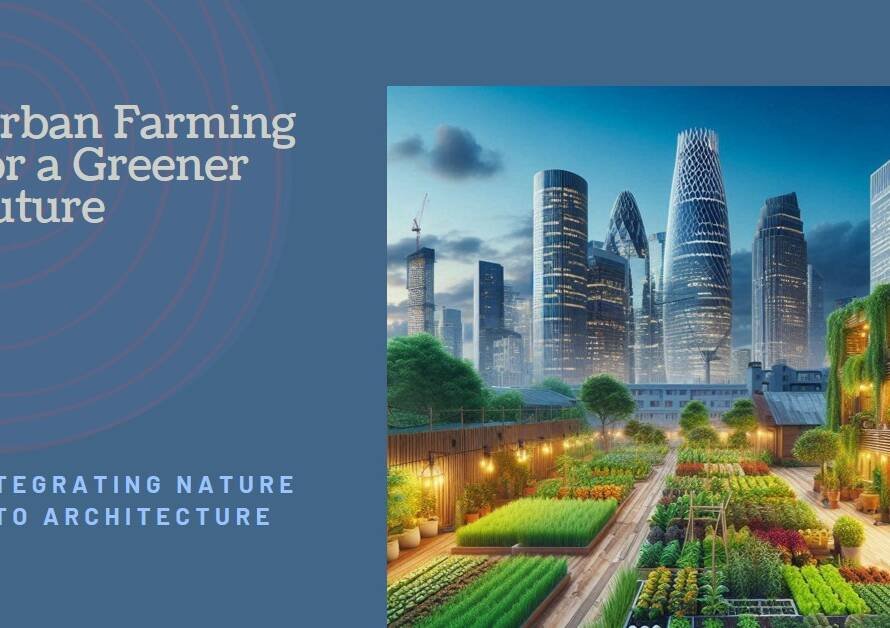
Architecture plays a pivotal role in shaping the built environment in ways that foster both wellness and sustainability. At the FitNation Exhibition, various architectural innovations are highlighted, illustrating how design principles can effectively promote these important ideals. One of the fundamental approaches presented is biophilic design, which refers to the practice of integrating natural elements into architectural spaces. By incorporating aspects such as natural light, green walls, and water features, biophilic design aims to connect occupants more closely to nature, thereby enhancing their overall well-being.
In addition to promoting wellness through design, sustainable architecture focuses on minimizing the environmental impact of buildings. Energy-efficient practices are at the forefront of this movement, encompassing a wide array of strategies, including passive solar design, energy-efficient insulation, and the use of renewable energy resources. These approaches not only contribute to a reduced carbon footprint but also lead to lower utility costs, making living spaces more affordable and sustainable in the long run.
The integration of natural elements goes beyond aesthetics; it significantly affects residents’ health and happiness. Research has shown that environments designed in harmony with nature can lower stress levels, enhance mood, and even boost productivity. Such principles resonate with the overarching goals of the FitNation Exhibition, where the emphasis lies on fostering a community that values health, well-being, and ecological responsibility. By showcasing cutting-edge designs and energy-efficient practices, the exhibition serves as a platform for discussing how architecture can and should meet the challenges of promoting wellness while safeguarding our environment.
Global Influence and Reach of FitNation Exhibition
The FitNation Exhibition serves as a significant platform in the realm of architecture and design, showcasing innovative ideas and artistic expressions. Its global influence is evident in the multitude of international collaborations that contribute to its robust offerings. The exhibition brings together architects, designers, and artists from various corners of the world, fostering an environment of cross-cultural dialogue. This intercontinental blend not only enhances the diversity of the exhibition but also enriches the perspectives shared within the architectural community.
The success of the FitNation Exhibition lies in its ability to attract a diverse global audience. This audience ranges from industry professionals, such as architects and urban planners, to passionate enthusiasts, students, and the general public. By positioning itself as a nexus for innovative architectural discourse, the exhibition promotes the sharing of ideas that transcend geographical boundaries. It facilitates discussions on emerging trends, sustainability in design, and the integration of technology in architecture, which are essential topics in today’s global context.
Moreover, the exhibition has significantly shaped international architectural discourse by providing a stage for groundbreaking ideas and practices. Many artists and firms have gained vital exposure through participation, translating localized concepts into globally relevant architectural narratives. Notable success stories include several innovative design firms that emerged from the platform, gaining recognition and leading projects across continents. Their experiences highlight the exhibition’s role as a springboard for talent and a magnifying glass through which the world can view inventive approaches to modern challenges in architecture.
Through its commitment to inclusivity and global engagement, the FitNation Exhibition not only showcases the best of contemporary architecture but also encourages a dialogue that resonates across cultural and professional divides, reinforcing its status as a pivotal event in the architectural calendar.


Conclusion: The Future of Architecture as Shown at FitNation
The FitNation Exhibition has provided a comprehensive overview of the innovative trends and architectural advancements shaping the future of the field. Throughout the event, it became evident that contemporary architecture is increasingly focused on sustainability, technology integration, and community engagement. These themes represent a shift in how architects conceptualize their work, ensuring that new designs not only meet functional requirements but also foster environmental harmony and social interaction.
One of the notable takeaways from the exhibition is the emphasis on sustainable practices, which are crucial given the current environmental challenges. Architects are now experimenting with eco-friendly materials and energy-efficient designs, aiming to minimize the carbon footprint of new constructions. This commitment to sustainability reflects a broader societal shift towards prioritizing ecological balance, which is likely to influence architectural standards moving forward.
Moreover, technological integration has redefined both the design process and building functionality. The use of advanced modeling software, smart materials, and automation tools is transforming how architects approach projects. These innovations enable more efficient designs while offering enhanced user experiences. As smart buildings become more prevalent, the integration of technology into architecture will continue to grow, paving the way for a more interconnected built environment.
Lastly, community engagement has become a cornerstone in modern architecture. The exhibition showcased projects that emphasize public involvement in the design process, ensuring that developments are reflective of community needs. This focus will likely continue to drive architectural practices, leading to spaces that are inclusive and responsive to the diverse populations they serve.
In summary, the FitNation Exhibition has highlighted significant trends that suggest a proactive direction for architecture. The ongoing evolution in the field reflects society’s changing priorities and the essential role that visionary architects will play in shaping a sustainable and interconnected future.