Table of Contents
- Introduction:
- Weighing the Pros and Cons:
- The Importance of Proper Insulation:
- Exploring Insulation Techniques:
- Protecting Pipes from Freezing:
- Assessing Building Codes and Regulations:
- Considering Alternative Solutions:
- Consulting with Professionals:
- Maintaining Exterior Wall Plumbing:
- Conclusion: Balancing Practicality and Protection
Introduction:
Plumbing on exterior walls is a common practice in modern construction, yet it raises many questions and concerns. Homeowners and builders alike wonder about the feasibility, safety, and efficiency of installing pipes on outside walls. To address these concerns, it’s essential to understand the basics of exterior wall plumbing.
Firstly, placing plumbing on an exterior wall involves running water supply and drain lines along the outside perimeter of a building. This practice is often adopted due to architectural design constraints or space-saving needs. While it can be practical, it also requires careful planning and execution to prevent potential issues such as freezing, bursting pipes, and heat loss.
Weighing the Pros and Cons:
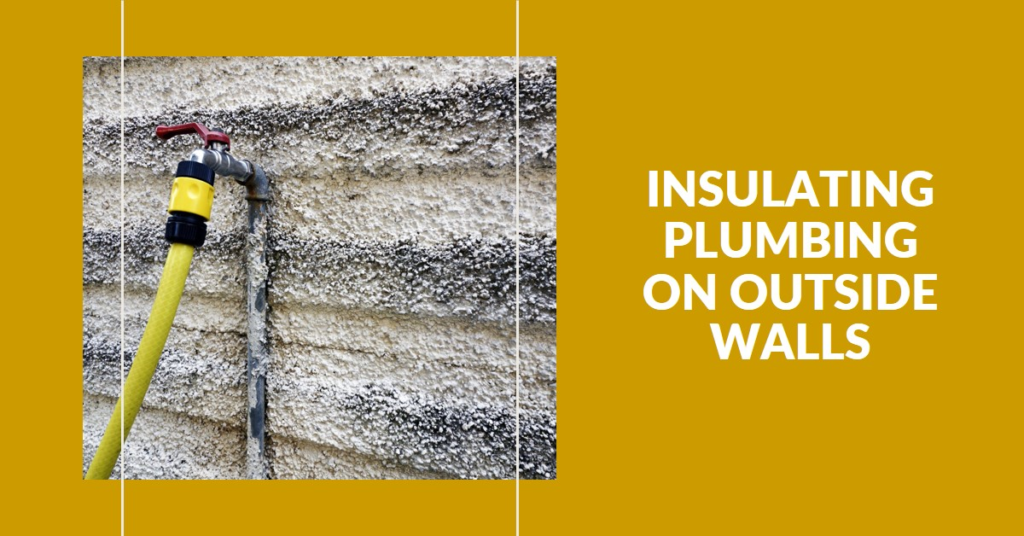
When considering plumbing on an exterior wall, it is crucial to evaluate both the advantages and disadvantages. One notable advantage is the efficient use of space, particularly in small or uniquely designed homes where interior wall space is limited. Exterior wall plumbing can also simplify certain installations, such as those for outdoor faucets and fixtures.
However, the drawbacks cannot be ignored. The primary concern is the vulnerability of pipes to freezing temperatures. Pipes on exterior walls are more exposed to the elements, which increases the risk of freezing and subsequent bursting. Additionally, there is a greater need for insulation and protection to maintain the efficiency and longevity of the plumbing system.
The Importance of Proper Insulation:
Proper insulation is paramount when installing plumbing on an exterior wall. Insulation acts as a barrier that protects pipes from extreme temperatures, thereby reducing the risk of freezing. The type and amount of insulation required depend on the climate, the building’s location, and the specific installation circumstances.
One effective method is using foam pipe insulation, which wraps around the pipes and provides a layer of thermal protection. In colder climates, it may be necessary to use thicker insulation or even combine multiple types of insulation materials for added protection. Additionally, ensuring that the wall cavity itself is well-insulated can further safeguard the plumbing system.
Exploring Insulation Techniques:
Various insulation techniques can be employed to protect plumbing on exterior walls. Spray foam insulation is a popular choice due to its ability to fill gaps and create a tight seal around pipes. This method not only insulates the pipes but also prevents air leaks that can contribute to temperature fluctuations.
Another effective technique is the use of pipe heating cables, which can be wrapped around pipes and connected to a power source. These cables generate heat, preventing pipes from freezing even in extremely cold conditions. However, they require careful installation and monitoring to ensure safety and efficiency.
Protecting Pipes from Freezing:
Beyond insulation, additional measures can be taken to protect exterior wall plumbing from freezing. One such measure is ensuring that the pipes are located on the warm side of the insulation within the wall cavity. This strategic placement minimizes exposure to cold air and enhances the effectiveness of the insulation.
Moreover, sealing any gaps or cracks in the exterior wall can prevent cold air from penetrating the wall cavity and affecting the pipes. Using caulk or expanding foam to seal these openings can significantly improve the thermal protection of the plumbing system.
Assessing Building Codes and Regulations:
When planning to install plumbing on an exterior wall, it is essential to consult local building codes and regulations. These codes often specify requirements for pipe insulation, placement, and protection to ensure the safety and functionality of the plumbing system. Compliance with these regulations is not only a legal obligation but also a critical aspect of proper installation.
Building codes may vary depending on the region and climate, so it is important to understand the specific requirements for your area. Consulting with a professional plumber or building inspector can provide valuable insights and guidance to ensure compliance and optimal performance of the exterior wall plumbing.

Considering Alternative Solutions:
While exterior wall plumbing is a viable option, it is worth considering alternative solutions that may offer better protection and efficiency. For instance, routing pipes through interior walls or basements can reduce the risk of exposure to extreme temperatures. These alternatives can be especially beneficial in regions with harsh winters or unpredictable weather patterns.
Another alternative is to use a different type of plumbing system, such as a manifold system, which centralizes the water distribution and minimizes the length of exposed pipes. This approach can reduce the overall risk of freezing and simplify maintenance and repairs.
Consulting with Professionals:
Given the complexities and potential risks associated with exterior wall plumbing, consulting with professionals is highly recommended. Experienced plumbers and contractors can provide expert advice on the best practices for insulation, protection, and compliance with building codes. They can also assist with the installation process, ensuring that the plumbing system is properly secured and protected.
Professional consultation can also help identify potential issues early on and implement preventive measures to avoid costly repairs and damage in the future. Investing in professional expertise can ultimately save time, money, and stress.
Maintaining Exterior Wall Plumbing:
Regular maintenance is crucial to ensure the longevity and efficiency of plumbing on exterior walls. This includes periodic inspections to check for signs of wear, damage, or potential issues such as leaks or inadequate insulation. Addressing these problems promptly can prevent more significant issues down the line.
In addition to inspections, routine maintenance may involve adding or replacing insulation, sealing gaps, and ensuring that pipe heating cables are functioning correctly. Keeping the exterior wall and surrounding areas clean and free from debris can also help maintain the integrity of the plumbing system.
Conclusion: Balancing Practicality and Protection
Plumbing on an exterior wall can be a practical solution for certain building designs and space constraints. However, it requires careful consideration, proper insulation, and diligent maintenance to ensure its effectiveness and longevity. By understanding the basics, weighing the pros and cons, and consulting with professionals, homeowners can make informed decisions that balance practicality with protection.
Ultimately, the success of exterior wall plumbing hinges on thoughtful planning and execution. With the right approach, it is possible to enjoy the benefits of this installation method while minimizing the risks and ensuring a reliable plumbing system for years to come.