Table of Contents
- Introduction to the Hancock Center
- The Rationale Behind the Redesign
- Key Features of the Redesign
- Sustainability and Eco-Friendly Aspects
- Impact on the Chicago Skyline
- Community Integration and Urban Context
- Technological Innovations in High-Rise Living
- Challenges and Considerations in the Redesign Process
- Conclusion: The Future of Urban Living
Introduction to the Hancock Center
The Hancock Center, officially known as the John Hancock Center, stands as an iconic fixture in Chicago’s skyline and a notable example of modern architecture. Completed in 1970, this impressive structure was designed by the renowned architectural firm Skidmore, Owings & Merrill (SOM) and represents a significant achievement in the evolution of high-rise living. Rising 1,128 feet and consisting of 100 floors, the Hancock Center was the tallest building in Chicago at the time of its completion and a marvel of engineering prowess.
This skyscraper not only defines the Chicago skyline but also evokes a sense of modernity and sophistication in urban living. Its innovative design features a unique X-braced structural framework which ensures stability while allowing for larger window spaces, effectively maximizing city views. The building’s cantilevered top floors and distinctive black exterior further contribute to its status as a hallmark of modern architectural design.
The historical context of the Hancock Center is deeply intertwined with the development of high-rise buildings in urban centers. It emerged at a time when cities were experiencing rapid growth and a demand for vertical living was increasing. The building was initially conceived during the late 1960s, a period characterized by technological advancements in construction and a shift towards urbanization. The creativity and vision demonstrated by SOM in its design reflect the societal desires for innovation and progress during this dynamic era.
Today, the Hancock Center stands not only as a feat of architectural significance but also as a representation of Chicago’s commitment to maintaining its status as a hub of modern living. Its redesign aims to further enhance this legacy, ensuring that the building continues to meet the needs of future generations while remaining true to its historical roots as a symbol of high-rise living.
The Rationale Behind the Redesign
The redesign of the Hancock Center is primarily driven by the need for modernization, ensuring that the structure aligns with contemporary architectural trends and technological advancements. As urban demographics continue to evolve, the requirements and expectations of residents shift as well. Urban areas are increasingly catering to a diverse population that includes younger individuals, families, and retirees, all of whom seek different amenities and features in their living spaces. The Hancock Center’s redesign aims to address these changing demographics, making it a more adaptable and inclusive high-rise environment.
Sustainability has also become a paramount concern in contemporary urban development. The redesign of high-rise buildings like the Hancock Center focuses on incorporating green technologies and practices, minimizing environmental impact. This includes the use of energy-efficient systems, sustainable materials, and innovative designs that promote natural light and ventilation. By embedding sustainability into its architecture, the Hancock Center sets a precedent for future urban living spaces—showcasing a commitment not just to the present but to the welfare of generations to come.
Moreover, the evolving needs of urban residents necessitate a reimagination of existing structures. Urban environments are increasingly valued for their walkability, access to public transportation, and integration of technology. The redesigned Hancock Center seeks to enhance the quality of life for its residents by offering convenient access to services and amenities that reflect the dynamic lifestyle of city dwellers. This includes creating shared spaces that promote community engagement, fostering a sense of belonging among residents.
Ultimately, the Hancock Center’s redesign serves as an important reminder of the significance of rethinking and upgrading existing high-rise buildings. By doing so, we not only modernize the skyline but also create spaces that are compatible with the current needs and preferences of urban residents.
Key Features of the Redesign
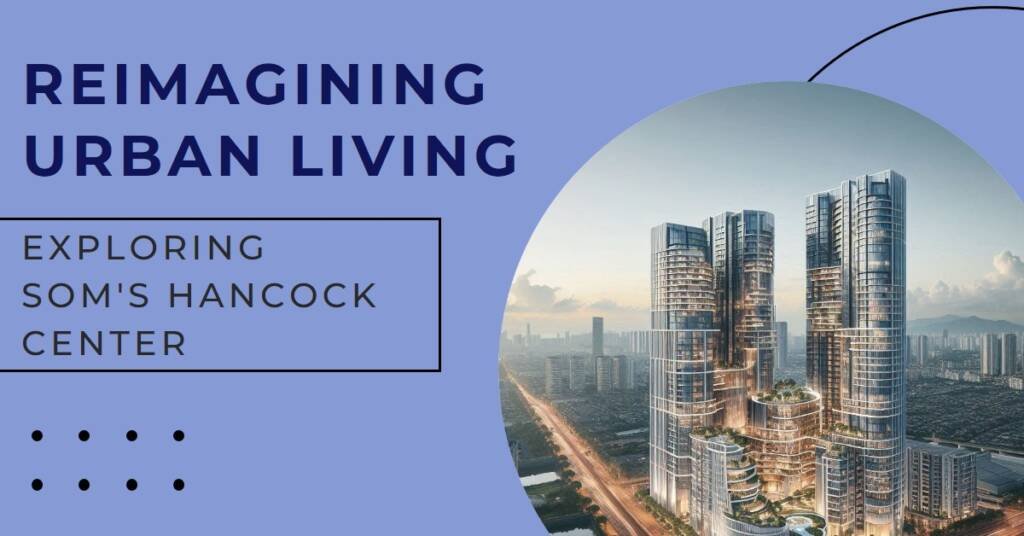
The redesigned Hancock Center introduces a series of innovative architectural elements aimed at enhancing both functionality and aesthetics. A notable feature is the incorporation of sustainable materials and energy-efficient technologies, emphasizing the commitment to environmentally conscious living. For instance, the building will utilize advanced insulating systems and energy-efficient windows, significantly reducing energy consumption while maintaining optimal comfort for residents. This focus on sustainability aligns with current trends in high-rise developments, catering to a growing preference for green living solutions.
Enhancements in amenities are also a focal point of the redesign. The redesigned Hancock Center will feature spacious communal and recreational areas, including rooftop gardens and landscaped terraces. These spaces are designed not only for leisure but also for fostering community engagement among residents. A well-equipped fitness center, multipurpose gathering rooms, and co-working spaces underscore the commitment to a modern, multifaceted living experience that supports both work and relaxation.
A further architectural improvement is the updated façade of the Hancock Center, which combines contemporary design with classic elements. This aesthetic overhaul aims to create a striking silhouette against the Chicago skyline while enhancing the visual appeal of the building from various vantage points. The use of glass and other materials will ensure that the structure reflects light beautifully, giving the building a dynamic character that changes throughout the day.
Community spaces play an integral role in this redesign. Aimed at fostering connections, the shared areas include venues for social events, workshops, and cultural activities. Such thoughtfully designed spaces are essential in addressing the growing need for social interaction within urban living, enhancing the overall experience for residents of the Hancock Center.
Sustainability and Eco-Friendly Aspects
The redesign of the Hancock Center by Skidmore, Owings & Merrill (SOM) exemplifies a modern commitment to sustainability and eco-friendly architecture. Sustainable initiatives are at the forefront of this redevelopment, aimed at fostering an environmentally conscious urban living experience. One of the key components of this redesign is the integration of energy-efficient systems that not only reduce energy consumption but also lower the overall carbon footprint of the building. Innovative technologies, such as advanced HVAC systems and energy-efficient lighting, play a critical role in achieving these sustainability goals.
Additionally, the incorporation of green roofs is a standout feature of the redesign. These living roofs serve multiple purposes: they provide insulation, reduce stormwater runoff, and enhance urban biodiversity. The use of vegetation not only beautifies the structure but also contributes to improving air quality and creating habitats for local wildlife. By implementing such eco-friendly measures, the Hancock Center stands as a leader in promoting green architecture within urban settings.
Water conservation strategies are also a significant aspect of the redesign, emphasizing the importance of resource management in high-rise living. Rainwater harvesting systems capture and utilize precipitation, thereby minimizing dependence on municipal water sources. These systems are engineered to support landscape irrigation and other non-potable applications, ensuring sustainability in daily operations.
The overall impact of these sustainable features resonates beyond the Hancock Center itself, influencing the surrounding environment and community. SOM’s dedication to sustainable architecture underscores a broader commitment to eco-friendly living, encouraging future developments to prioritize environmental stewardship. The intelligent design choices enable residents to embrace a higher quality of life while minimizing ecological impact, setting a precedent for high-rise buildings to come.
Impact on the Chicago Skyline
The Hancock Center, an iconic representation of Chicago’s architectural narrative, stands as a testament to modern design and urban innovation. As SOM embarks on the redesign of this high-rise, its impact on the Chicago skyline is poised to be profound. The Hancock Center’s silhouette, characterized by its distinctive tapering form and glass facade, has been integral to the city’s visual identity since its completion. The upcoming modifications are anticipated to enhance its architectural significance, harmonizing with both existing structures and the evolving landscape of high-rise buildings.
One of the primary aspects of the redesign is to integrate more sustainable and innovative architectural elements. Incorporating green spaces and advanced materials not only elevates the aesthetic of the Hancock Center but also aligns with the broader trends in contemporary architecture focused on sustainability. This initiative can further redefine the skyline’s character, projecting a future-oriented image of Chicago as a leader in eco-conscious urban development.
Furthermore, the redesign is expected to influence the dynamics of Chicago’s skyline by positioning the Hancock Center as a pivotal point of reference. Enhancements in lighting, façade treatment, and structural features will enable it to interact more effectively with surrounding high-rises. Such changes can create a visual dialogue among buildings, contributing to a cohesive skyline that reflects the city’s rich architectural diversity. As the Hancock Center elevates its presence amidst Chicago’s formidable architectural giants, its redesign could encourage a reevaluation of neighboring structures, inspiring future developments that uphold high standards of design and innovation.
Ultimately, the revamped Hancock Center is likely to solidify its role as an emblem of Chicago’s skyline, celebrating both its historical significance and its forward-thinking evolution while enriching the overall urban experience for residents and visitors alike.
Community Integration and Urban Context
The redesign of the Hancock Center is poised to redefine the high-rise living experience by prioritizing community integration and enhancing urban context. This approach deliberately emphasizes the importance of fostering a sense of belonging among residents through thoughtful architectural elements and urban planning strategies. A central focus of the redesign is the creation of vibrant public spaces, which serve as communal hubs where individuals can gather, engage, and interact.
These public spaces will be strategically located at the base of the building, making them easily accessible to both residents and visitors alike. By incorporating features such as parks, seating areas, and outdoor gathering spaces, the redesigned Hancock Center aims to break down the barriers often associated with high-rise living. It shifts from the conventional notion of isolating high-rise buildings to a more inclusive environment that encourages social interaction and community engagement.
Accessibility improvements are also a crucial aspect of the redesign. The integration of universally designed pathways, ramps, and entry points ensures that individuals of all abilities can easily navigate the surrounding areas. The building’s relationship with surrounding neighborhoods will be strengthened through transparent architecture that complements the urban landscape, encouraging foot traffic and facilitating connections between the Hancock Center and nearby amenities, such as local shops, restaurants, and cultural establishments.
The overall intention is to create a seamless transition between the Hancock Center and its urban context, contributing to a lively streetscape enriched by diverse activities. By fostering community engagement and promoting a sense of belonging among residents, this forward-thinking redesign of the Hancock Center sets a precedent for future high-rise developments. It embodies a holistic approach to urban living that prioritizes active communities and interconnected lifestyles.
Technological Innovations in High-Rise Living
The redesign of SOM’s Hancock Center serves as a beacon of technological advancements in high-rise living, showcasing how innovation can enhance urban living environments. Central to this evolution are smart home features integrated throughout the building. These features include automated climate control systems that allow residents to adjust their indoor environments remotely, ensuring comfort while optimizing energy consumption. Additionally, smart lighting systems, which can be programmed or controlled via smartphone applications, provide not only convenience but also contribute to energy efficiency within the building.
Another significant aspect of the redesign is the enhanced security systems employed in the Hancock Center. Advanced surveillance technology, including facial recognition systems and smart locking mechanisms, provides a heightened sense of safety for residents. These security measures not only deter unauthorized access but also offer peace of mind, allowing residents to enjoy their living spaces without concern for their personal safety. The incorporation of a centralized monitoring system further integrates these security features, streamlining the management of safety protocols throughout the building.
Furthermore, the integration of technology extends to communal areas and amenities within the Hancock Center. High-speed internet connectivity and seamless access to smart building systems enable residents to communicate and interact effectively. Moreover, facilities such as remote-controlled delivery lockers for package security enhance convenience for urban dwellers. This efficient use of technology ultimately contributes to an improved living experience, fostering a sense of community among residents.
The redeveloped Hancock Center exemplifies how technology can revolutionize high-rise living. By incorporating smart home features and robust security systems, the design not only meets the demands of modern urban lifestyles but also sets a new standard for the future of high-rise living.
Challenges and Considerations in the Redesign Process
Redesigning a landmark high-rise such as the Hancock Center presents a multitude of challenges that architects and developers must navigate. One of the foremost concerns is budget constraints; major renovations typically require significant financial investment. Developers need to balance the desired enhancements with available funding, often leading to difficult decisions about which upgrades can be prioritized without comprising the integrity of the project. Financial considerations can influence everything from the materials chosen to the scale of design changes involved.
In addition to budgetary challenges, regulatory hurdles pose another significant obstacle. The Hancock Center is not only an iconic structure but also subject to various zoning laws and building codes. Navigating the intricacies of these regulations requires careful planning and collaboration with local government bodies. Compliance with safety standards, environmental evaluations, and building permits can significantly prolong the timeline of any redesign, adding to the complexity of the process.
Moreover, historical preservation issues must be taken into account when redesigning a building steeped in history. The Hancock Center holds a special place in the architectural landscape, and any alterations must respect its original design and heritage. This often involves engaging with preservation societies and historical commissions to ensure that any renovations do not detract from the building’s historical value. Architects need to strive for a design that embodies both innovation and respect for the past, striking a delicate balance between modernization and preservation.
Community feedback also plays a crucial role in the redesign process. Engaging with local residents and stakeholders ensures that the proposed changes meet the needs and expectations of those most affected by the project. Incorporating community input can lead to valuable insights and ultimately foster a sense of ownership among the local population regarding the newly envisioned Hancock Center.


Conclusion: The Future of Urban Living
As we conclude our exploration of the Hancock Center redesign by SOM, it is evident that this project not only transforms a landmark building but also serves as a catalyst for the future of high-rise living. The integration of sustainable practices and advanced technologies within the redesign reflects a growing trend towards urban environments that prioritize environmental stewardship. High-rise living is evolving beyond traditional concepts, aligning with the needs and aspirations of modern urban dwellers.
The focus on community integration within the Hancock Center indicates a shift towards spaces that foster social interactions and connections among residents. It is imperative for high-rise buildings to evolve into multi-use facilities that encourage a sense of belonging and community engagement. This blueprint serves as an essential model for future developments, illustrating that urban living can be both functional and supportive of a thriving neighborhood.
Furthermore, technological advancements incorporated into the redesign suggest a future where living in urban centers can be enhanced through smart technologies. The incorporation of features that promote energy efficiency, connectivity, and interactive environments will likely set a benchmark for upcoming projects. Such innovations not only contribute to individual comfort but also work towards the broader goal of creating sustainable urban landscapes.
In considering the Hancock Center’s impact, it is clear that the future of high-rise living will require architects and developers to blend design, sustainability, and community needs in innovative ways. As urban populations continue to grow, the lessons learned from this redesign will undoubtedly influence how cities evolve to meet the demands of their residents, ultimately leading to healthier, more sustainable living environments. The Hancock Center represents a significant step forward, offering a compelling vision for the future of urban living.