Table of Contents
- Introduction to the Palace of Westminster
- A Brief History of the Houses of Parliament
- Architectural Marvels of Westminster
- The Cultural Impact of the Palace of Westminster
- Challenges and Restoration Efforts
- Visiting the Houses of Parliament
- The Role of the Palace in Modern Politics
- The View from the River Thames
- Conclusion: The Enduring Legacy of Westminster
Introduction to the Palace of Westminster
The Palace of Westminster, an architectural masterpiece located on the banks of the River Thames in London, serves as the seat of the UK Parliament. Recognized globally for its striking gothic design, the palace is not only a functioning governmental hub but also a symbol of democratic values and parliamentary governance in the United Kingdom. Its historical significance dates back to the 11th century, originally serving as a royal residence before transforming into the center of legislative power.
As an iconic emblem of parliamentary democracy, the Palace of Westminster plays a crucial role in the UK’s political landscape. The various chambers, including the House of Commons and the House of Lords, provide a forum for political discourse, legislative debate, and decision-making that shape the nation’s laws and policies. The palace’s symbolism is further accentuated by the presence of the famous clock tower, known as Big Ben, which has become synonymous with not just the palace itself but also the very essence of London.
Architecturally, the Palace of Westminster is characterized by its elaborate Gothic Revival style, which was designed by architect Charles Barry in the mid-19th century after the original structure was largely destroyed by fire in 1834. The detailed stonework, expansive halls, and grand chambers exemplify the craftsmanship of the era while echoing the grandeur of British history. Each element contributes to the cultural heritage of the UK, making it a popular site for both tourists and scholars alike. Thus, the Palace of Westminster stands as not only a legislative center but also an enduring symbol representing the spirit of democracy and the complexities of British governance.
A Brief History of the Houses of Parliament
The Palace of Westminster, commonly recognized as the Houses of Parliament, has a rich history that traces its origins back to the 11th century. Initially constructed as a royal residence for Edward the Confessor, the palace played a crucial role in the evolution of British governance. Following Edward’s death in 1066, the site began its transformation from a royal abode to a center of political power.
During the Middle Ages, the palace underwent significant alterations, particularly during the reign of King Henry III in the 13th century. This period marked the beginning of the construction of Westminster Hall, which remains a prominent feature of the complex today. The hall was originally built in 1097, and it has served multiple purposes, including being a venue for important state ceremonies, trials, and parliamentary sessions.
As the political landscape of England evolved, so did the Palace of Westminster. The establishment of the Parliament of England in the late 13th century heralded a new chapter in the building’s history, underscoring its role not only as a royal residence but as a hub of legislative activity. This transition was not without strife; key events such as the Peasants’ Revolt in 1381 and the English Civil War in the 17th century were significant in shaping its identity. The Civil War led to the temporary removal of the monarchy’s influence, resulting in the establishment of a parliamentary republic under Oliver Cromwell.
By the 19th century, the palace faced a dire need for reconstruction due to a devastating fire in 1834, which destroyed much of the previous Gothic structure. The subsequent design by architect Charles Barry, featuring the iconic clock tower, commonly known as Big Ben, solidified the Palace of Westminster as a masterpiece of Victorian architecture. Today, it stands as a symbol of democracy, encapsulating centuries of political evolution and historical significance within its storied walls.
Architectural Marvels of Westminster
The Palace of Westminster, often referred to as the Houses of Parliament, stands as a monumental example of Gothic Revival architecture in London. Completed in the 19th century, the building showcases the distinctive characteristics associated with this architectural style, including pointed arches, ribbed vaults, and flying buttresses. These elements not only enhance the aesthetic appeal but also symbolize the revival of medieval styles during the Victorian era.
At the core of the Palace’s identity is the iconic clock tower, popularly known as Big Ben, which is technically the name of the bell housed within the tower. This towering structure, designed by Augustus Pugin, embodies the spirit of the period and serves as a recognized emblem of London. The intricate details of the clock tower, including its ornate clock faces, glistening spire, and rich embellishments, exemplify Pugin’s dedication to the Gothic Revival principles. Furthermore, the clock tower stands as a beacon of timekeeping and tradition amidst the bustle of modern life.
Contributing significantly to the architectural landscape of the Palace of Westminster were architects Charles Barry and Augustus Pugin. Barry’s vision for the building led to the design of a sprawling complex, meticulously laid out to accommodate the functions of Parliament. Pugin’s influence can be seen in the detailed craftsmanship throughout the interiors and exteriors. The façade of the Palace is adorned with elaborate stone carvings, statues, and intricate tracery that reflect historical themes. Such artistry invites visitors to appreciate not just the structure itself, but also the cultural significance embedded within its walls.
The interior of the Palace is equally impressive, featuring grand halls, ornate ceilings, and detailed woodwork that illustrate the opulence of Victorian design. Overall, the Palace of Westminster is an architectural marvel that represents a significant chapter in Britain’s history and serves as a physical manifestation of democracy and governance.
The Cultural Impact of the Palace of Westminster
The Palace of Westminster, often referred to as the Houses of Parliament, is not just a political centerpiece; it holds substantial cultural significance that transcends its governmental functions. This iconic structure has been immortalized in a variety of artistic forms, from literature to film, making it a symbol of British identity and heritage. Its distinct Gothic architecture, crowned by the notable clock tower known as Big Ben, serves as a backdrop for narratives that explore themes of power, democracy, and tradition.
In literature, the Palace of Westminster has frequently appeared as a setting for pivotal moments in various works, including classic novels and contemporary stories. Authors have drawn upon its imposing presence to convey the weight of political discourse and the complexities of governance. This literary representation helps cement its status as an emblem of national character, illustrating the interplay between individual stories and the broader tapestry of history.
The significance of the Palace extends to film and television as well, where it is often showcased as a symbol of British authority and culture. Major motion pictures and celebrated television series highlight its majestic façade, using it to establish a sense of place and national pride. The Palace has become a familiar sight to global audiences, reinforcing its status as a cultural landmark that resonates worldwide.
Additionally, in the realm of art, numerous painters and photographers have captured the Palace of Westminster in various styles, showcasing its architectural beauty and dramatic form. These artistic interpretations contribute to the ongoing conversation about national identity and cultural heritage, presenting the Palace as both a literal and figurative representation of Britain. The fusion of these artistic efforts has solidified the Palace of Westminster’s role in shaping perceptions of national identity, making it a perpetual source of inspiration across cultures.
Challenges and Restoration Efforts
The Palace of Westminster, an architectural marvel and symbol of British democracy, has encountered numerous challenges throughout its history, significantly impacting its structural integrity and aesthetic appeal. One notable concern has been the threat of fire damage, highlighted by the catastrophic fire of 1834 that led to extensive rebuilding. Modern restoration efforts must now consider the potential for fire hazards alongside the inherent age of the structure.
Another significant challenge facing the Palace is erosion, primarily due to its location along the River Thames. The natural elements, including weathering and pollution, have taken a toll on the stonework, necessitating careful monitoring and maintenance of the façade to prevent further degradation. This erosion not only compromises the beauty of the building but also jeopardizes its foundational security.
In addition to these physical challenges, there is an increasing need for modern safety measures to protect both the historical site and its occupants. Adapting the Palace to comply with contemporary safety standards without compromising its iconic status is a delicate balancing act. The integration of fire safety systems, seismic retrofitting, and improved access for individuals with disabilities must be addressed as part of the ongoing restoration work.
Current restoration projects aim to preserve the historical integrity of the Palace of Westminster while addressing these multifaceted challenges. Initiatives, funded by the UK government and various heritage organizations, are underway to restore and maintain the intricate details and craftsmanship that define this iconic building. These efforts reflect a commitment to safeguarding not just an architectural legacy but also a vital piece of the nation’s democratic heritage for future generations to appreciate.
Visiting the Houses of Parliament
The Palace of Westminster, home to the UK Parliament, is a renowned landmark and a must-visit destination for anyone touring London. With its stunning architecture and rich history, the Houses of Parliament offers an engaging experience for visitors. Guided tours are available, providing a comprehensive overview of the building’s significance and intricate design. These tours can be booked online or at the entrance and typically last about an hour and a half, allowing guests to explore notable areas such as the House of Commons, House of Lords, and Westminster Hall.
In addition to the standard tours, the Houses of Parliament frequently hosts special events and exhibitions, allowing visitors to delve deeper into the legislative process and the history of British governance. For example, during certain times of the year, themed exhibitions are organized, showcasing the inner workings of Parliament through artifacts and informative displays. Keep an eye on the official Parliament website for updates on such events.
When planning a visit, it is advisable to pre-book tickets, especially during peak tourist seasons to ensure availability. Entry is typically free for UK residents, while international tourists may need to pay a small fee. Accessibility options are also available, with provisions for visitors with reduced mobility. Onsite facilities include cafés and shops where visitors can purchase souvenirs and refreshments.
To reach the Houses of Parliament, the nearest tube stations are Westminster and Big Ben, both within walking distance. The area is well-served by public transport, making it convenient for visitors from various parts of the city. A careful consideration of peak visiting hours can enhance the experience, as quieter times allow for a more leisurely exploration of this iconic building.
The Role of the Palace in Modern Politics
The Palace of Westminster, an enduring symbol of democracy, serves as the heart of the United Kingdom’s political landscape. As the working home of Parliament, it hosts both the House of Commons and the House of Lords, making it crucial in shaping national legislation and influencing public policy. With its iconic architecture and rich history, the Palace not only represents the ideals of governance but also plays a significant role in the contemporary political framework.
Legislation in the UK is a multi-stage process that takes place predominantly within the walls of the Palace of Westminster. Proposed laws, known as bills, are introduced in either house and subjected to extensive debate, scrutiny, and amendments before they can receive royal assent and become law. This method ensures that diverse perspectives and interests are considered, reflecting the democratic values enshrined in British governance. Notably, the Palace has witnessed pivotal discussions on significant topics ranging from health care reform to climate change legislation, illustrating its vital role in addressing pressing national and global issues.
Recent legislative developments have further underscored the importance of the Palace in modern politics. For instance, specific acts concerning the response to the COVID-19 pandemic have continuously been debated and refined within its chambers. This adaptability highlights the function of the Palace not just as a historical site but as a dynamic space where timely legislative action is undertaken to meet the nation’s evolving needs.
As the UK navigates the intricacies of modern governance, the Palace of Westminster stands as a testament to the enduring nature of parliamentary democracy. Its significance goes beyond mere architecture; it embodies the principles of representation, accountability, and dialogue that underpin the political process in the UK today.
The View from the River Thames
The Palace of Westminster, also known as the Houses of Parliament, stands as a monument to Gothic architecture and British political history. Its location beside the River Thames provides an enchanting backdrop that is not only picturesque but also integral to its iconic status. Visitors can appreciate the grandeur of this historic building from a unique vantage point on the river, which showcases its intricate detailing and majestic towers against the backdrop of a dynamic urban environment.
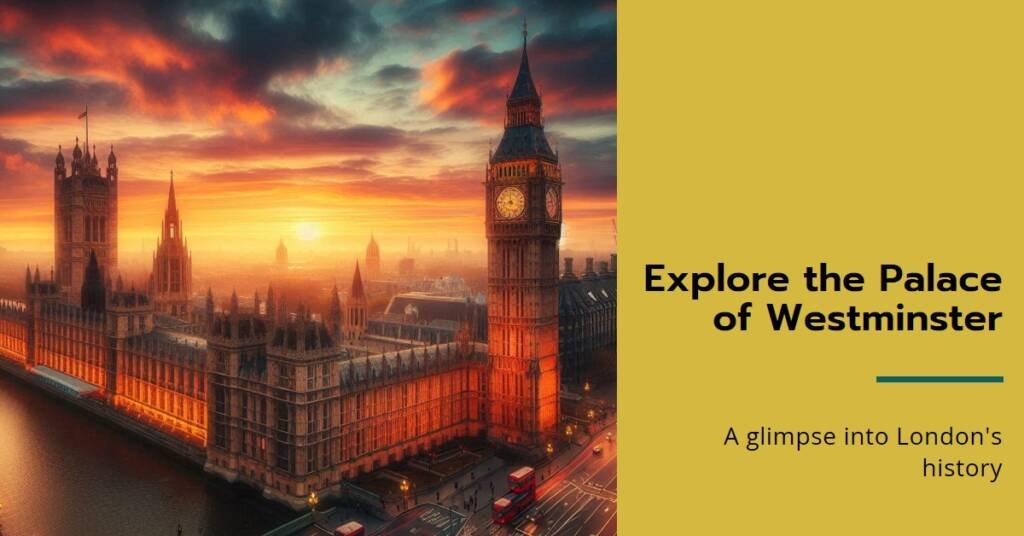
As boats glide along the Thames, the Palace appears to rise majestically from the water, allowing onlookers to fully grasp its scale and beauty. Whether viewed from a leisurely river cruise or while strolling along the riverbank, the sight of Big Ben and the Elizabeth Tower at sunset creates an unforgettable panorama. The reflection of the Palace on the shimmering waters adds an ethereal quality, enhancing its significance in the hearts of Londoners and tourists alike.
The surrounding area also vibrates with activity, as visitors often find themselves engaging in various recreational activities such as rowing, sightseeing, and even dining at riverside establishments. This lively atmosphere fosters a deeper connection between the public and the Palace of Westminster, as people of all ages gather to appreciate its history and artistry. The river acts as a conduit, linking the iconic structure to the life of the city, making it a focal point for civic life and cultural events.
Overall, the view of the Palace of Westminster from the River Thames not only enriches the visual landscape of London but also engages the public in meaningful ways. The combination of architecture, nature, and urban life underscores the Palace’s prominence, making it a cherished landmark for generations to come.


Conclusion: The Enduring Legacy of Westminster
The Palace of Westminster, often referred to as the Houses of Parliament, stands as an exemplary symbol of architectural grandeur and a testament to Britain’s political heritage. Completed in its current form in the mid-19th century, this iconic building has not only defined the London skyline but has also become synonymous with the very notion of democracy and governance in the United Kingdom. Its intricate Gothic Revival design, featuring iconic elements such as the clock tower known as Big Ben, evokes a sense of historical pride that resonates with both locals and international visitors alike.
Beyond its architectural splendor, Westminster holds significant political implications as the heart of the British legislative process. This site has been the backdrop for countless pivotal moments in history, from the debates that shaped the nation to the ceremonies that celebrate its sovereignty. The Palace serves as a constant reminder of the principles of representation and rule of law fundamental to a democratic society. The debates and discussions that echo within its walls have influenced not just national policies but have also left a lasting impact on global governance practices.
Culturally, the Houses of Parliament is intertwined with the narrative of the United Kingdom’s identity. Its presence in literature, art, and film further cements its status as a cultural icon, drawing attention to its role beyond politics. The building illustrates the evolution of a society and reminds us of our shared history, values, and aspirations. As we forge ahead, it is crucial to recognize the importance of preserving the Palace of Westminster, not just as a physical structure but as a vital part of our heritage. Ensuring its legacy for future generations will allow them to appreciate its historical significance and continue the dialogues that have made it an enduring symbol of democracy and culture.