Table of Contents
- Introduction to Uber’s New Headquarters
- Overview of Shop Architects’ Vision
- Architectural Features of the Headquarters
- Sustainability and Environmental Impact
- Workplace Culture Reflected in Design
- Technological Innovations Incorporated
- Community Engagement and Urban Integration
- Reactions and Impacts on the Corporate Identity
- Conclusion and Future Outlook
Introduction to Uber’s New Headquarters
Uber Technologies, Inc. has ushered in a new era with the unveiling of its innovative headquarters situated in San Francisco, California. The new corporate space serves not only as a central hub for Uber’s rapidly growing operations but also as a representation of the company’s evolving identity and commitment to its workforce. Nestled in the Mission Bay neighborhood, the headquarters is strategically positioned to leverage the synergy of the tech capital, fostering collaboration and creativity among its employees.
The significance of this new facility extends beyond its striking architectural design; it embodies the vision that Uber has for the future of work. The headquarters is designed to facilitate an environment where innovation can thrive, allowing teams to work seamlessly across functions and collaborate on groundbreaking ideas. With features that promote adaptability and sustainable practices, this facility signifies Uber’s pledge to integrate eco-friendly solutions into its business model.
The architectural decisions behind the Uber headquarters are reflective of a broader shift in corporate real estate. The design employs open spaces and multifunctional areas to encourage interaction among employees, contrasting sharply with traditional corporate layouts that often isolate teams. Urban artists and designers have contributed to the aesthetic, ensuring that the space not only meets utility needs but also resonates with the vibrant culture of San Francisco. This fusion of functionality and artistry is indicative of Uber’s approach to modern work environments.
As the technology landscape continues to evolve, the design and functionality of corporate headquarters will play a pivotal role in shaping organizational culture and enhancing productivity. The newly unveiled Uber headquarters stands as a testament to what forward-thinking design can achieve, setting a benchmark for industry peers and serving as a blueprint for future developments within the realm of corporate architecture.
Overview of Shop Architects’ Vision
Shop Architects, renowned for their innovative designs, played a pivotal role in shaping Uber’s headquarters, showcasing a commitment to creating spaces that foster collaboration and reflect the company’s values. At the heart of their architectural philosophy lies a dedication to sustainability, emphasizing the integration of eco-friendly materials and energy-efficient systems. This sustainable approach not only minimizes the environmental impact but also aligns with Uber’s mission to promote greener transportation alternatives.
Throughout the design process, Shop Architects prioritized innovation as a key driver in the development of the headquarters. By incorporating cutting-edge technology and modern design principles, they have set a precedent for corporate space in the tech industry. The use of flexible workspaces facilitates adaptability, enabling employees to thrive in an environment that encourages creativity and collaboration. The design promotes open communication among teams, making it easier for employees to share ideas and engage in productive discussions.
Employee well-being is another cornerstone of Shop Architects’ vision for Uber’s headquarters. Thoughtful consideration was given to creating spaces that enhance the workplace experience, incorporating green areas and natural light to promote a healthy atmosphere. Features such as breakout areas, wellness centers, and dedicated recreational spaces all contribute to a balanced work-life dynamic. By focusing on the physical and mental well-being of employees, Shop Architects aims to cultivate a culture of respect, inclusivity, and belonging within the organization.
The culmination of these philosophies results in a corporate space that transcends traditional office design, reflecting a vibrant and forward-thinking ethos. Shop Architects’ vision is not only to create a visually striking headquarters but also to nurture an environment where innovation and sustainable practices can flourish, ultimately reflecting Uber’s commitment to a positive global impact.
Architectural Features of the Headquarters
The Uber Headquarters, designed by renowned architects, showcases a blend of innovative design and functional practicality. One of the most striking characteristics of the headquarters is its modern open-plan layout, which fosters collaboration among teams while promoting a sense of community within the workspace. This layout signifies a pivotal shift from traditional office designs, reflecting the company’s ethos of connectivity and teamwork.
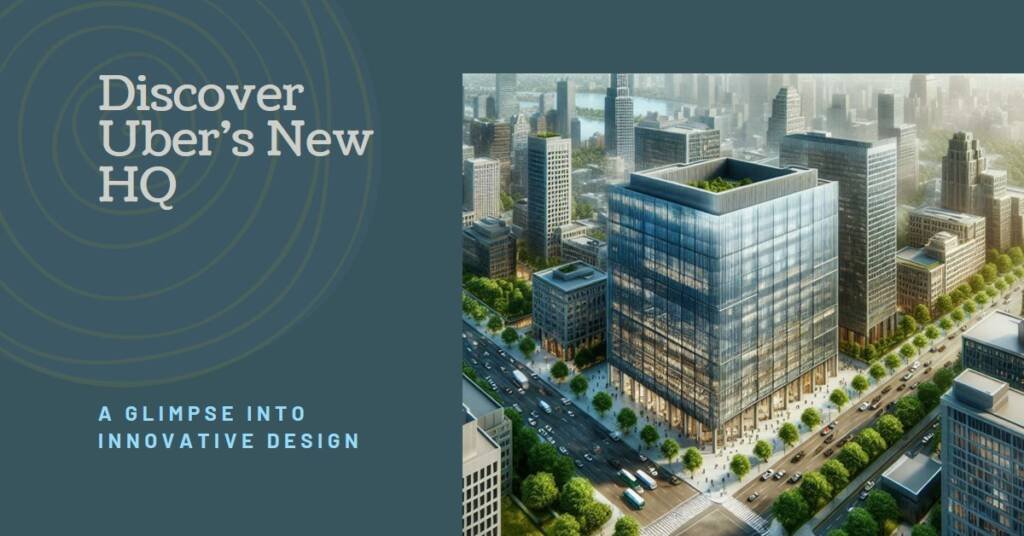
On the exterior, the building embodies a sleek, contemporary design accentuated by extensive use of glass and steel. The façade is not only visually appealing but also serves practical purposes, maximizing natural light within the interior spaces. The thoughtfully arranged glass panels reflect the urban environment, creating a dialogue between the building and its cityscape. Moreover, the integration of green spaces on terraces and balconies adds a sustainable dimension to the architecture, highlighting Uber’s commitment to environmental responsibility.
Notably, the building incorporates advanced materials and technologies that substantially enhance its energy efficiency. Innovative insulation materials are utilized to minimize energy consumption, critical in today’s climate-conscious construction. Furthermore, the headquarters features smart technology systems that control lighting and temperature, optimizing comfort for employees while reducing overall operational costs.
The architectural design also includes flexible workspaces that can adapt to evolving team dynamics and project needs. This foresight reflects a growing trend in corporate environments where adaptability is paramount. The integration of creative spaces such as lounges and meeting rooms promotes relaxation and creative thinking, demonstrating an understanding of the employees’ needs beyond mere function.
Overall, the architectural features of Uber’s headquarters capture the company’s dynamic spirit and forward-thinking approach, encapsulating its ambition to reshape the future of transportation and corporate workspace.
Sustainability and Environmental Impact
In the pursuit of a sustainable future, Uber’s headquarters exemplifies a commitment to environmental stewardship through innovative design and sustainable practices. One of the most prominent features of this corporate facility is its emphasis on energy efficiency. The building employs advanced technologies such as solar panels and energy-efficient lighting systems, which significantly reduce energy consumption and greenhouse gas emissions. These systems are carefully integrated to optimize the building’s energy performance, effectively minimizing its ecological footprint while maintaining a functional workspace for employees.
Moreover, the incorporation of green spaces within the premises reflects a conscientious effort to enhance biodiversity and provide a natural habitat for local flora and fauna. The landscape design includes native plant species that require minimal irrigation, thus conserving water resources. Rooftop gardens and vertical green walls not only contribute to the aesthetic appeal of the building but also improve air quality and contribute to the psychological well-being of occupants. Through these initiatives, Uber demonstrates its dedication to creating a healthier environment, both for its employees and the community as a whole.
Uber’s headquarters also emphasizes sustainable transportation options, aligning with its core business model. The facilities promote the use of public transit, cycling, and carpooling by providing access to bike-sharing programs and electric vehicle charging stations. This initiative encourages employees to choose environmentally friendly commuting methods, thereby reducing overall emissions associated with daily travel to and from work.
Overall, through its commitment to sustainability and environmentally responsible practices, Uber’s headquarters serves as a benchmark for modern corporate architecture. It illustrates how innovative design can successfully merge functionality with a dedication to ecological preservation. Such practices are imperative in addressing the pressing environmental concerns of our time, appealing to both stakeholders and communities while fostering a culture of sustainability within the organization.
Workplace Culture Reflected in Design
The design of Uber’s headquarters serves as a tangible representation of the company’s innovative workplace culture. At its core, the building fosters collaboration and creativity through thoughtfully designed collaborative spaces. These areas encourage teams to meet, brainstorm, and engage in dynamic discussions. Open floor plans, combined with designated meeting zones, facilitate seamless communication among employees, breaking down traditional barriers and enhancing teamwork.
Moreover, the layout of the headquarters prioritizes flexibility, catering to the diverse working styles of Uber’s workforce. With a mix of open spaces for collaborative efforts and quiet zones for focused tasks, employees are able to choose an environment that suits their needs at any moment. This adaptability not only supports productivity but also aligns with the company’s ethos of encouraging individual expression and innovation. The availability of easily reconfigurable workstations and lounges also reflects a growing trend toward more user-centric workplace design.
In addition to fostering collaboration and flexibility, the amenities within Uber’s headquarters further enhance the employee experience. Features such as wellness rooms, recreational facilities, and comfortable breakout areas promote a healthy work-life balance. These spaces are designed with employee well-being in mind, helping to cultivate a positive atmosphere that encourages creativity and motivation. By investing in amenities that cater to both personal and professional development, Uber demonstrates its commitment to nurturing a workplace culture that values its employees and promotes overall satisfaction.
Ultimately, the design of Uber’s headquarters is not just about aesthetics but represents a deliberate strategy to reflect the company’s mission and values. By integrating collaborative spaces, flexible environments, and comprehensive amenities, the headquarters embodies a workplace culture that prioritizes innovation, employee well-being, and teamwork.
Technological Innovations Incorporated
The newly unveiled Uber headquarters showcases a blend of advanced technological innovations designed to enhance the workspace for its employees. Smart building technologies have been meticulously integrated throughout the facility, transforming conventional office dynamics into a modern, efficient working environment. One of the key features is the incorporation of IoT (Internet of Things) devices, which serve to create a connected ecosystem where various systems communicate seamlessly for optimizing energy consumption and enhancing security.
Moreover, the headquarters is equipped with smart lighting systems that adjust automatically based on natural light levels and occupancy, ensuring that employees benefit from optimal illumination while reducing overall energy consumption. This not only contributes to sustainability efforts but also promotes a pleasant working atmosphere, which can enhance productivity and wellbeing among staff. Additionally, innovative climate control systems automatically regulate temperature and airflow, providing a comfortable environment regardless of external weather conditions.
High-speed internet connectivity is another cornerstone of the technological advancements incorporated into the headquarters. This infrastructure supports employees’ needs for rapid communication and collaboration, whether they are working individually or as part of a team. Collaborative workspaces are enhanced with integrated technology tools, allowing for seamless interaction and information sharing. Various meeting rooms come equipped with advanced video conferencing capabilities, ensuring that remote participants can engage fully with in-office colleagues.
Furthermore, the installation of mobile applications for employees facilitates access to building amenities, workspaces, and meeting rooms, thus maximizing flexibility and convenience. Overall, the technological innovations incorporated into Uber’s headquarters serve to create a cutting-edge work environment that not only enhances operational efficiency but also prioritizes the well-being of its employees, making it a hallmark of modern corporate architecture.
Community Engagement and Urban Integration
Uber’s new headquarters exemplifies a commitment to community engagement and urban integration, transforming the surrounding fabric of the city. This dedication is manifest in the thoughtful design that prioritizes public spaces, ensuring that the headquarters does not merely serve its employees but also enhances the urban landscape. The building’s layout incorporates plazas and green areas, inviting not only Uber employees but also local residents to gather and interact, thereby fostering a sense of community.
Moreover, Uber’s headquarters has been designed to promote accessibility. The integration of pathways and public transit links demonstrates an understanding of urban mobility, allowing for easy access to and from the workplace. This approach aligns with the ethos of Uber, which aims to facilitate seamless transport solutions. In addition, the proximity of public transportation hubs to the headquarters encourages sustainable commuting options, reducing reliance on personal vehicles and minimizing the environmental footprint.
Community initiatives sponsored by Uber are also an essential component of the headquarters’ vision. The company has committed to engaging in local outreach programs, supporting initiatives that fuel economic development and social equity within the neighborhood. This includes partnerships with nonprofits and local organizations aimed at improving educational opportunities and workforce training for residents. Such steps reflect an understanding that the success of the headquarters is inherently linked to the prosperity of the community in which it resides.
Through an intentional focus on adding value to the local ecology, Uber’s architectural vision aims to create a corporate atmosphere that not only champions innovation but also elevates communal experience. The headquarters stands as an emblem of responsible corporate citizenship, interconnected with the needs and aspirations of the community, thus exemplifying how urban integration can be achieved harmoniously in a bustling corporate setting.
Reactions and Impacts on the Corporate Identity
The unveiling of Uber’s new headquarters has elicited a diverse array of responses from the public, employees, and industry experts alike. As a company that has undergone significant scrutiny over the years, the reactions to the latest architectural development reveal insights into how the new building may reflect or reshape Uber’s corporate identity. Many employees expressed excitement and pride about the modern design, which they believe fosters collaboration and innovation. The open-concept layout, coupled with sustainable design practices, aligns with the current trends in corporate architecture, signaling Uber’s commitment to a forward-thinking corporate culture.
Public feedback has been equally illuminating, with some praising the aesthetic of the headquarters and its potential to enhance the surrounding urban environment. Others, however, remain skeptical, questioning whether the grandeur of the new building genuinely reflects Uber’s brand values, particularly when considering past controversies tied to corporate oversight. Some critics argue that while the new headquarters may present a polished facade, deeper issues within the organization’s culture and operational practices must still be addressed before any meaningful change can occur.
Industry experts have weighed in on the impact of the headquarters on Uber’s brand image as well. Many suggest that the design choice not only serves a practical purpose but also acts as a strategic move to redefine Uber’s narrative in the eyes of stakeholders. The new headquarters could signal a turning point for the company, marking an era of transparency and resilience in corporate ethos. Furthermore, the emphasis on sustainability – showcased through energy-efficient systems and green spaces – positions Uber as a leader in adapting to environmental responsibilities, potentially strengthening its reputation among consumers and investors.

Conclusion and Future Outlook
In reflecting upon the unveiling of Uber’s new headquarters, it is essential to recognize the critical aspects that define this architectural endeavor. The design, characterized by its innovative features and commitment to sustainability, signifies not only a physical workspace but also a progressive step towards reimagining corporate environments. The headquarters embodies Uber’s ethos, emphasizing community engagement, employee well-being, and cutting-edge technology. It thus serves as a blueprint for future corporate office designs, challenging conventional paradigms and advocating for a more holistic approach to workplace architecture.
As we look forward to the future, the implications of Uber’s headquarters extend beyond its immediate surroundings. The emphasis on flexibility and collaboration within the design is likely to set a precedent for other corporations considering similar transformations. This shift in focus towards open, adaptable spaces illustrates a growing understanding of the importance of fostering a work culture that thrives on creativity and interaction. Furthermore, the integration of sustainable practices within the headquarters may inspire broader adoption of eco-friendly materials and technologies across the corporate landscape.
Industries worldwide are increasingly recognizing that corporate headquarters are not merely functional spaces, but vital components of a brand’s identity. This realization is likely to shape future designs, as companies seek to create environments that resonate with their values and mission. Uber’s forward-thinking approach can potentially influence trends, encouraging other organizations to prioritize employee experience alongside operational efficiency.
In conclusion, the unveiling of Uber’s headquarters marks a significant milestone in corporate office design. Its innovative features and sustainable practices collectively present a compelling vision for the future, suggesting that there is much to learn from this endeavor as industries move towards more flexible, inclusive, and environmentally responsible workspaces.