Table of Contents
- Introduction to the Miami Beach Convention Center
- The Vision Behind the New Design
- Key Design Features of the New Convention Center
- Sustainability and Environmental Impact
- Community Engagement and Public Spaces
- Economic Implications of the New Design
- Local Reactions and Stakeholder Perspectives
- Challenges and Considerations in Implementation
- The Future of Miami Beach’s Urban Landscape
Introduction to the Miami Beach Convention Center
The Miami Beach Convention Center, a prominent venue located in the heart of the bustling city, has served as an essential part of Miami Beach’s landscape since its opening in 1957. This multi-purpose facility has a rich history, initially designed to host conventions, exhibitions, and events that have helped shape the cultural and economic framework of the region. Over the years, it has played host to various significant events, from trade shows to cultural festivals, drawing millions of visitors and contributing to the city’s reputation as a premier destination for tourism and business.
Historically, the convention center has been an architectural symbol of Miami Beach, reflecting the art deco style that characterizes much of the area. The center’s design has evolved over the years, accommodating a growing number of exhibitors and attendees while maintaining its original charm. However, as the demands of the events industry changed, the need for a significant upgrade became increasingly apparent. New technologies, sustainability standards, and evolving visitor expectations necessitated a rethinking of the convention center’s infrastructure and design.
The significance of the Miami Beach Convention Center in today’s urban context cannot be overstated. It is not only a venue for large-scale events but also a community hub that fosters economic development and promotes tourism. The ongoing transformation aims to enhance the attendee experience while ensuring the center meets modern urban challenges. The design upgrades are not just cosmetic; they seek to create a more functional space that can host diverse events while being adaptable to future needs. In the face of these demands, the redevelopment effort seeks to establish the convention center as a new urban landmark, blending contemporary design with the rich history of Miami Beach.
The Vision Behind the New Design
The design for the Miami Beach Convention Center, as articulated by the renowned architecture firm Big, embodies a forward-thinking vision that seeks to redefine the conventional understanding of such venues. This new design philosophy is rooted in three core principles: sustainability, innovation, and community integration. By intertwining these elements, Big aims not only to enhance the functionality of the convention center but also to elevate its status as a dynamic urban landmark.
Sustainability is at the forefront of the design approach, reflecting a commitment to environmentally responsible practices. Big employs cutting-edge technologies and materials that reduce energy consumption and enhance the building’s resilience against climate change. The incorporation of green roofs, natural ventilation systems, and extensive landscaping contributes to an ecologically balanced environment. These designs not only foster a healthier building but also create a welcoming space for both visitors and residents.
Innovation plays a crucial role in shaping the new identity of the Miami Beach Convention Center. The design incorporates flexible event spaces, allowing for a diverse range of programming that can adapt to the evolving needs of the community. New features, such as interactive installations and smart technology, enhance not only the user experience but also promote a sense of engagement with the space. This adaptability is essential in transforming the center from mere event hosting into a vibrant hub for art, culture, and social interaction.
Community integration is another vital aspect of Big’s vision. The design prioritizes accessibility and aims to foster connections between the convention center and its surrounding neighborhoods. By creating public plazas and incorporating local art and culture into the design, the convention center is envisioned as a place where residents and visitors can converge, participate in cultural exchanges, and enjoy communal gatherings. Thus, the new design seeks to transform the Miami Beach Convention Center into a celebrated landmark, enhancing both urban life and the visitor experience.
Key Design Features of the New Convention Center
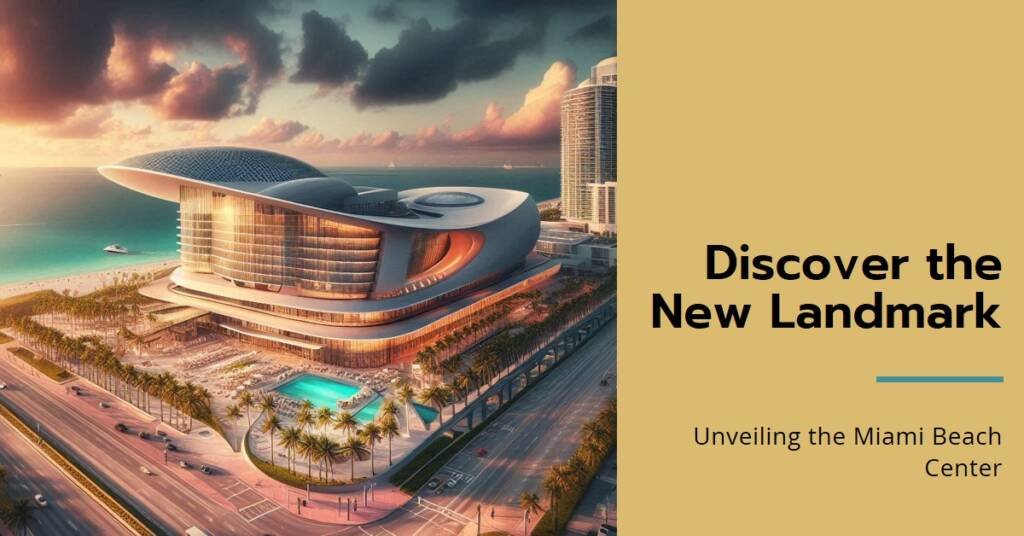
The newly unveiled design for the Miami Beach Convention Center is set to transform the urban landscape, combining functionality with aesthetic appeal. One of the standout features of this design is its innovative architectural elements, which include a sleek, modern façade that reflects the vibrant spirit of Miami. The use of large glass panels allows natural light to flood the interior spaces, creating an inviting atmosphere that promotes engagement and creativity during events.
Inside, the layout has been meticulously crafted to accommodate a wide variety of events, from large conventions to intimate gatherings. The multi-functional spaces can be easily reconfigured, allowing organizers to customize the environment according to their specific needs. This flexibility extends to several meeting rooms equipped with state-of-the-art audiovisual technology, ensuring that presentations and discussions are facilitated seamlessly. Each area is designed with acoustics in mind, helping to create an optimal experience for guests.
Beyond the interior, the design of the outdoor spaces is equally captivating. The incorporation of green roofs and landscaped terraces provides not only a visually stunning environment but also promotes sustainability. These outdoor areas offer attendees relaxing and refreshing views of the surrounding coastal landscape, providing a much-needed respite amidst busy event schedules. Additionally, the integration of eco-friendly materials and landscaping elements pays homage to Miami’s local environment while also aligning with contemporary sustainability practices.
The aesthetic choices throughout the convention center reflect the rich cultural heritage of the Miami area. From vibrant color palettes to artistic installations that celebrate local art, the design creates a strong sense of place. Overall, the new Miami Beach Convention Center promises to be more than just a venue; it aims to be a dynamic hub for community engagement and cultural expression, redefining the conventions experience for all who visit.
Sustainability and Environmental Impact
The design of the Miami Beach Convention Center places a significant emphasis on sustainability and environmental responsibility. By integrating energy-efficient systems throughout the facility, the project aims to minimize energy consumption while enhancing operational efficiency. Advanced technologies, such as smart lighting and HVAC systems, will ensure that energy use is optimized, leading to a reduction in the building’s overall carbon footprint. This approach is indicative of broader trends in architecture that prioritize not only functionality but also sustainable practices.
Moreover, eco-friendly materials are a cornerstone of the convention center’s construction. By utilizing sustainable resources that are locally sourced and recyclable, the design reduces the environmental impact typically associated with large-scale building projects. For example, the use of low-emission paints and finishes contributes to better indoor air quality, benefiting both the visitors and the surrounding environment.
Water conservation strategies are also pivotal in the sustainability agenda for the convention center. The incorporation of rainwater harvesting systems and water-efficient fixtures will facilitate the responsible management of water resources. These elements not only decrease dependence on municipal water supply but also promote the conservation of this vital resource. Additionally, landscaping designs will prioritize native vegetation, reinforcing the local ecosystem and further enhancing biodiversity within the urban landscape.
Overall, the Miami Beach Convention Center is poised to serve as a model for sustainable urban development. By balancing the needs of the community with environmental stewardship, it advocates for a healthier, more harmonious relationship between built and natural environments. Such initiatives are essential in combating climate change and promoting sustainable lifestyles, ensuring that urban spaces contribute positively to ecological well-being.
Community Engagement and Public Spaces
The newly unveiled design for the Miami Beach Convention Center is not solely an architectural endeavor; it is a transformative project aimed at fostering community engagement and enhancing public interaction. This design incorporates various public spaces that are essential for hosting community events and gatherings, thereby establishing the center as a vibrant nucleus for both tourists and local residents.
At the heart of the design lies an expansive plaza that serves as an inviting area for outdoor events, art exhibitions, and local markets. This outdoor space is seamlessly integrated with landscaped gardens, seating areas, and facilities that promote social interaction. Offering both functional and aesthetic value, the plaza is designed to accommodate a diverse range of activities, catering to an array of age groups and interests.
Incorporating local neighborhoods into the design process, the new convention center aims to enhance the connectivity between these communities and the center. With pedestrian-friendly pathways and accessible public transport options, visitors can easily navigate between the metropolitan area and the convention facilities. The engagement with local artists and vendors further integrates cultural elements into the public spaces, showcasing Miami Beach’s unique identity and fostering a sense of belonging among residents.
Additionally, the center will host a variety of programs aimed at community development, including workshops, classes, and recreational activities. By providing venues for educational and cultural experiences, the Miami Beach Convention Center not only addresses the needs of the community but also serves as a platform for dialogue and collaboration. Overall, the thoughtful design fosters a strong sense of community, making the convention center a landmark that encourages both engagement and interaction.
Economic Implications of the New Design
The redesign of the Miami Beach Convention Center represents a significant investment that is poised to have profound economic implications for the local area and beyond. One of the most immediate effects is anticipated in job creation. The construction phase alone is likely to generate numerous employment opportunities, providing jobs across various sectors, including construction, engineering, and design. Moreover, once operational, the convention center is expected to sustain a considerable amount of permanent positions relating not only to facility management but also in the hospitality and service industries that thrive in convention settings.
Equally important is the projected boost in tourism that the new convention center is expected to bring. By enhancing the center’s capabilities and aesthetics, Miami Beach is positioning itself as a prime destination for large-scale conventions and exhibitions. This elevation in status is likely to attract more visitors, both domestic and international, ultimately resulting in increased spending in local hotels, restaurants, and entertainment venues. As a center of tourism, Miami Beach could see a rise in hotel bookings and occupancy rates as major events draw thousands of attendees.
The new design aims to attract high-profile events, which could not only boost the local economy during events but also promote Miami Beach on a global scale as an attractive location for conferences and trade shows. Being competitive in the convention market is essential for Miami Beach, allowing the city to capture a share of the multi-billion dollar industry associated with conventions and exhibitions. Additionally, the anticipated increase in foot traffic could lead to the development of surrounding businesses and the rejuvenation of the area, enhancing its overall economic viability.
In conclusion, the economic implications of the redesigned Miami Beach Convention Center are extensive, encompassing job creation, tourism enhancement, and increased competitiveness in the global convention industry, all of which contribute to positioning Miami Beach as a leading urban landmark.
Local Reactions and Stakeholder Perspectives
The unveiling of Big’s design for the Miami Beach Convention Center has been met with a spectrum of responses from stakeholders, ranging from enthusiastic endorsements to cautious critiques. City officials have expressed considerable excitement regarding the potential of the new urban landmark. Mayor Dan Gelber mentioned, “This design is not just a building; it’s a statement about our commitment to innovation and sustainable urban development.” His view reflects a broader enthusiasm within the local government, hoping that the new convention center will catalyze economic growth for the city.
Local businesses are also eager to see the project come to fruition, anticipating an influx of tourists and attendees that could enhance their revenue. Small business owner Maria Lopez stated, “We are excited about the potential for increased foot traffic. This new convention center could bring significant opportunities for local shops and restaurants.” Many local entrepreneurs view the development as a pivotal moment that could uplift the business environment in the region.
However, not all perspectives are unanimously positive. Some residents have raised concerns regarding the environmental impact and the changes to the character of the neighborhood. Community advocate James Thompson expressed his apprehension, stating, “While we appreciate the aesthetics of the new convention center, we must consider the implications it will have on our community’s dynamic and environment.” His viewpoint underscores a critical concern among some community members who fear that such large-scale projects could lead to gentrification and displacement.
Visitors to Miami Beach have shown considerable excitement, with tour guide Leslie Green noting, “The design is a marvelous blend of function and form. It will surely become a landmark that enhances the Miami Beach experience.” Her sentiment captures a sense of anticipation among those who frequent the area, suggesting that the new convention center could significantly elevate the city’s appeal.
Challenges and Considerations in Implementation
As the Miami Beach Convention Center project progresses towards becoming a new urban landmark, various challenges and considerations must be addressed to ensure a successful implementation. One of the primary logistical concerns is the management of construction activities in a densely populated area. Coordinating the flow of materials, personnel, and equipment around the existing infrastructure and adjacent businesses can pose significant hurdles. It is crucial to develop a comprehensive plan that mitigates disruption while enabling efficient construction operations.
Furthermore, budget constraints are an ever-present challenge in large-scale projects such as this. The ambitious design proposed by Big needs to align with available funding sources to prevent financial shortfalls. Stakeholders must carefully balance luxury and innovation with cost-effective solutions. This includes sourcing materials that meet both aesthetic standards and budgetary limitations, as well as considering potential cost overruns that may arise due to unforeseen delays or complications during the construction process.
Additionally, it is essential to address community concerns that may emerge throughout the project’s lifecycle. Engaging local residents in dialogue about the design and its implications can help mitigate opposition and foster a sense of ownership within the community. This includes considering the environmental impact of the construction and its long-term effects on the urban landscape. Adopting sustainable practices and incorporating green spaces will resonate positively with the community, emphasizing the project’s commitment to environmental stewardship.
Balancing design ambition with practical feasibility is paramount. The integration of public feedback, financial realities, and logistical challenges must remain at the forefront of decision-making. By addressing these considerations diligently, the project can evolve into a respected structure that enhances Miami Beach’s architectural reputation, enriches local culture, and meets the functional needs of its users.

The Future of Miami Beach’s Urban Landscape
The recent unveiling of the design for the Miami Beach Convention Center marks a pivotal moment in the city’s urban development. This new architectural endeavor promises to serve not only as an event space but also as a transformative landmark that reflects Miami Beach’s vibrant culture and evolving identity. With its innovative design, the convention center aims to redefine the urban landscape, creating a center that integrates seamlessly into the existing fabric of the city while paving the way for future growth.
As a crucial addition to the city, the convention center is expected to enhance Miami Beach’s appeal as a premier destination for tourists and event organizers alike. By fostering a multi-functional space, it encourages engagement with the local community and supports a spectrum of cultural activities and events. This transformation contributes significantly to the social fabric of Miami Beach, allowing for dynamic interactions that strengthen community ties and elevate the local art and culture scene.
Furthermore, the design of the Miami Beach Convention Center is poised to act as a catalyst for sustainable urban development. By prioritizing environmentally friendly practices in its construction and operation, this project reflects a growing commitment to sustainability in urban landscapes. Such initiatives not only attract environmentally conscious visitors but also promote an image of Miami Beach as a forward-thinking city ready to embrace the challenges of the modern world.
In summary, the new Miami Beach Convention Center stands as a beacon of transformation within the urban landscape, promising significant contributions to the cultural, social, and economic fabric of the area. As the city moves forward, this project illustrates the potential of architectural innovations to redefine urban living and enhance the overall tourist experience, ultimately enriching the life of the community and setting a precedential model for future developments.