Table of Contents
- Introduction to RH House
- The Concept of Modular Design
- Key Features of the Corridor Design
- Materials and Sustainability in Design
- Color Palette and Lighting Considerations
- Integration of Technology in Modular Design
- Benefits of the RH House Corridor Design
- Challenges Faced in Modular Design Implementation
- Conclusion and Future Prospects
Introduction to RH House
The RH House, designed by architect Lucas Maino Fernandez, represents a significant advancement in modern architectural design, particularly in the realm of modular constructions. This innovative residence highlights the architect’s vision of creating spaces that are not only functional but also aesthetically captivating. By merging elegant design with practicality, the RH House offers a glimpse into the future of residential architecture, where form and function coexist seamlessly.
One of the unique characteristics of the RH House is its modular design. This approach allows for greater flexibility in space utilization and the ability to adapt to the changing needs of its inhabitants. Modular architecture entails pre-fabricated sections that can be easily assembled on-site, reducing construction waste and time, ultimately paving the way for a more sustainable future in building practices. The design of the RH House embraces these principles, making it stand out among traditional structures that often adhere to rigid layouts.
Fernandez’s work emphasizes the importance of blending indoor and outdoor spaces. Large windows and open-plan layouts allow natural light to flood the interiors, creating warm, inviting environments. This connection to the surrounding landscape enhances the living experience, allowing residents to engage with nature without sacrificing the comforts of home. Furthermore, the strategic use of materials and geometric forms contributes to the house’s modern aesthetic, making it a focal point within its community.
The RH House showcases how modern architects like Lucas Maino Fernandez are redefining residential spaces. By prioritizing modularity, sustainability, and aesthetic harmony, the RH House invites both admiration and consideration for the evolution of architectural design. This introduction sets the stage for a deeper exploration of its innovative features and their implications for the future of housing.
The Concept of Modular Design
Modular design represents an innovative approach in the field of architecture, marked by the use of prefabricated sections or modules that are constructed off-site and then transported to the building site for assembly. This technique allows architects and builders to create versatile and adaptable structures that can be customized according to the specific needs of a project. By emphasizing the interlocking nature of these modules, modular design facilitates a streamlined construction process while ensuring high levels of quality control.
One of the primary benefits of modular design lies in its flexibility. The modular approach enables the easy reconfiguration of spaces, as modules can be added or removed with relative ease. This adaptability is particularly advantageous in urban environments, where space is often at a premium and the needs of inhabitants may change over time. Furthermore, modular design fosters scalability, permitting projects to grow naturally over time by integrating new modules as necessary, thus accommodating expanding populations or changing functions.
In addition to flexibility and scalability, modular design also promotes efficiency in construction timelines. By assembling units in a controlled factory environment, construction can occur simultaneously with site preparation, dramatically reducing the overall project duration. This approach minimizes on-site disruptions and reduces labor costs, thereby facilitating the completion of projects within the established budget and timeframe.
Moreover, modular design has significant implications for sustainability. The prefabrication process often leads to reduced waste and a smaller carbon footprint, as it allows for better materials management and minimizes unnecessary transportation of resources. This commitment to sustainable practices positions modular design as not only a practical solution in modern architecture but also a responsible choice for the environment. As the demand for contemporary, efficient, and sustainable structures grows, the relevance of modular design continues to expand significantly.
Key Features of the Corridor Design
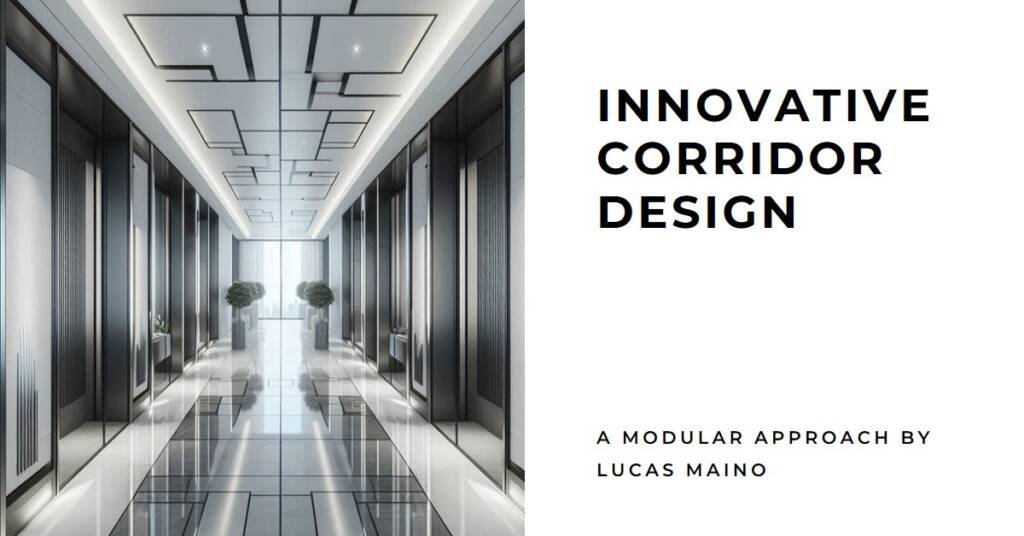
The RH House corridor designed by Lucas Maino Fernandez exhibits several key features that underscore its modular design philosophy. One of the primary aspects is the innovative layout, which promotes fluid movement while minimizing congestion. The corridor features wide passages that not only facilitate easy navigation but also create a sense of openness, enhancing the overall user experience. This thoughtful use of space aligns perfectly with the concept of modular design, where every element is optimized for both functionality and aesthetics.
Another significant feature of the corridor design is its proportions. The height and width of the corridor are carefully calibrated to allow natural light to flood the space, reducing the need for artificial lighting during the day. Large windows strategically placed along the corridor not only improve illumination but also provide views of the surrounding landscape, further enhancing the aesthetic appeal of the space. This integration of natural elements serves to create a serene atmosphere, making the corridor a pleasant passage rather than merely a functional element of the home.
Materials play a crucial role in the corridor’s design. A combination of sustainable resources and contemporary finishes has been employed to create a harmonious environment. For instance, natural wood accents paired with modern concrete surfaces provide a distinct contrast that is both visually striking and timeless. Moreover, these materials are chosen not only for their appearance but also for their durability, ensuring that the corridor maintains its appeal through years of use.
Ultimately, the effective combination of layout, proportions, and materials results in a corridor that is not only practical but also inviting. This thoughtful approach to design reflects the overall ethos of modular architecture, where every detail contributes to the effectiveness and beauty of the living space.
Materials and Sustainability in Design
The design of the RH House corridor by Lucas Maino Fernandez exemplifies a commitment to sustainability through the careful selection of materials. In today’s architectural landscape, the choice of materials significantly impacts both the environmental footprint and the longevity of a structure. The materials utilized in the corridor are sourced not only for their aesthetic qualities but also for their eco-friendly attributes, which align with the principles of sustainable design.
Among the various materials employed, reclaimed wood stands out as a premier choice. This source of timber reduces waste and lessens the demand for virgin wood, promoting responsible forestry practices. By reusing existing materials, the design minimizes environmental impact while adding character to the corridor. Furthermore, the durability of reclaimed wood contributes to the overall lifespan of the structure, ensuring that it withstands the test of time.
In addition to reclaimed wood, the corridor incorporates recycled metal elements. These materials are often obtained from discarded industrial products, thus diverting waste from landfills. The use of recycled metal not only reinforces the framework of the corridor but also supports a circular economy by giving new life to materials that would otherwise be wasted.
Furthermore, sustainable insulation materials, such as sheep’s wool or cellulose, have been integrated into the design. These eco-friendly options enhance energy efficiency, reducing heating and cooling requirements, which is crucial for minimizing energy consumption. By choosing materials that contribute to thermal regulation, the RH House corridor embodies a holistic approach to sustainability.
Ultimately, the material selection for the RH House corridor reflects a conscious effort to prioritize sustainability while maintaining functionality and aesthetic appeal. The integration of eco-friendly materials showcases how thoughtful design can lead to responsible building practices that respect both the environment and the community.
Color Palette and Lighting Considerations
The color palette and lighting design within the RH House corridor play crucial roles in shaping the overall atmosphere and aesthetic appeal of the space. A thoughtfully chosen color scheme not only enhances the visual interaction of the corridor but also influences the emotional experience of its occupants. In this corridor, a neutral color palette is employed, featuring soft whites, muted grays, and warm tones that create a sense of calmness and serenity. These colors work harmoniously to elongate the perception of space, making the corridor feel larger and more open.
Lighting further amplifies the desired ambiance within the corridor. The design incorporates a balance of natural and artificial lighting to enhance the overall experience. During daylight hours, large windows allow natural light to flood the corridor, highlighting the textures and colors of the walls. As day turns to night, carefully selected artificial lighting fixtures come into play, illuminating the space with warm tones that promote comfort and relaxation. Recessed lighting along the ceiling provides subtle illumination, while strategically placed wall sconces add both functionality and decorative flair.
The interplay between the chosen colors and the lighting fixtures generates an inviting environment that enhances the corridor’s functionality. By incorporating adjustable lighting, occupants can modify the mood according to their preferences or activities. This flexibility not only fosters a sense of ownership over the space but also allows for a varied emotional response, tailoring the experience to individual needs. Overall, the combination of an exquisite color palette and thoughtful lighting design is instrumental in creating a corridor that is not only aesthetically pleasing but also enriching for those who inhabit it.
Integration of Technology in Modular Design
The integration of technology into modular design has revolutionized contemporary architecture, particularly within the RH House Corridor project by Lucas Maino Fernandez. Central to this evolution is the adoption of smart home features that not only enhance user convenience but also improve energy management. These features allow residents to control lighting, climate, and security through centralized systems or mobile applications, resulting in a harmonious blend of functionality and comfort. Smart sensors can automate settings in response to environmental changes, promoting an adaptive living space that caters to the occupants’ needs.
Furthermore, energy-efficient systems play a crucial role in sustainable living. The RH House utilizes advanced materials and technologies that minimize energy consumption while maximizing output. For instance, solar panels can be seamlessly integrated into the modular structure, converting solar energy into electricity, which is particularly beneficial in promoting energy independence. Insulation materials designed to maintain thermal efficiency reduce heating and cooling requirements, thus lowering utility costs. This strategic integration of energy-efficient solutions exemplifies how technology can foster environmental responsibility in modern architecture.
In addition to standard smart technologies, innovative solutions are employed to elevate the overall user experience. The use of modular components allows for flexibility in design and function, enabling personalization that reflects the unique lifestyles of the residents. For example, modular furniture systems can switch according to the spatial needs, while maintaining aesthetic consistency across design elements. These solutions not only underscore the versatility of modular design but also provide practical benefits that enhance daily life.
As technology continues to evolve, the possibilities for integrating such advancements into modular homes like the RH House remain vast. This synergy between architectural innovation and technological implementation exemplifies the future of sustainable living, characterized by convenience, efficiency, and design integrity.
Benefits of the RH House Corridor Design
The RH House Corridor design exemplifies a modular approach that brings numerous advantages to its occupants, primarily focusing on improved space utilization and lifestyle enhancement. This innovative architectural concept allows for an efficient distribution of space, ensuring that every square foot serves a designated purpose. By employing a corridor-centric layout, the design fosters better flow and connectivity among living areas, thereby enhancing accessibility within the residence.
One significant benefit of this design is its inherent flexibility. Modular structures can be adapted or reconfigured to meet the evolving needs of the inhabitants. As families grow or change, the RH House Corridor can accommodate these shifts without necessitating extensive renovations. This adaptability not only supports long-term functionality but also contributes to sustainable living by minimizing waste associated with frequent remodels.
Moreover, the thoughtfully planned corridor system promotes a greater sense of community among inhabitants while also preserving individual privacy. The design encourages natural social interactions by placing communal areas along the corridor, thereby inviting residents to engage while still maintaining personal spaces. This balance is crucial for enhancing the overall lifestyle and well-being of the occupants. Open corridors also allow for improved natural light penetration, which can have positive effects on mental health and energy levels.
Additionally, spaces adjacent to the corridor can be designed to be multifunctional, accommodating various activities such as work, leisure, or studying. This versatility of space further enriches daily life, giving occupants the freedom to personalize their environment according to their preferences. Therefore, the RH House Corridor design not only maximizes utility but significantly enhances the quality of life for its residents.
Challenges Faced in Modular Design Implementation
The implementation of modular design principles, as exemplified in the RH House corridor by Lucas Maino Fernandez, is not without its challenges. One of the primary obstacles encountered during this process is the adherence to zoning laws. These regulations often dictate the structural integrity, height, and usage of buildings within specific areas. Navigating these laws can be particularly challenging, especially when modular components can vary in design and construction methods. Failure to comply can result in costly delays and revisions, necessitating an intricate understanding of local regulations alongside the architectural vision.
Another significant challenge pertains to client preferences. Modular design often emphasizes efficiency and sustainability, aspects that may not always align with the aesthetic desires of clients. In some cases, clients may have preconceived notions about traditional construction methods and may be hesitant to embrace a modular approach. It is essential for the design team to engage clients in a dialogue, educating them about the benefits of modular construction while incorporating their personal tastes into the final design. This collaborative effort can help bridge the gap between innovative design and client satisfaction.
Market limitations further complicate the implementation of modular design. While there is a growing interest in innovative construction methods, the supply chain for modular materials and skilled labor can be inconsistent. Limited local availability of modular components may result in extended project timelines or increased costs. To address these concerns, it is vital to establish robust partnerships with suppliers and ensure that project timelines are realistic. Through strategic planning and flexibility, potential disruptions can be mitigated, paving the way for successful modular design implementation in projects like the RH House corridor.

Conclusion and Future Prospects
The exploration of the RH House corridor, designed by Lucas Maino Fernandez, serves as a compelling case study in the evolving landscape of contemporary architecture. Its modular design embodies a significant shift towards flexibility and sustainability within building practices. As urban spaces grow and populations increase, the imperative for innovative architectural solutions is clearer than ever. The RH House corridor exemplifies how modular structures can effectively address the challenges of urbanization while maintaining aesthetic appeal and functionality.
In the broader context of contemporary architecture, modular design is not merely a trend; it represents a fundamental rethinking of how spaces can be constructed and utilized. Architects are beginning to embrace the principles of modularity, realizing that pre-fabricated elements can significantly reduce both construction time and material waste. This adaptability allows for buildings that are resilient and capable of responding to the needs of their inhabitants in a dynamic manner. The RH House corridor is a prime example of this adaptability, highlighting the potential for modular designs to enhance livability in densely populated environments.
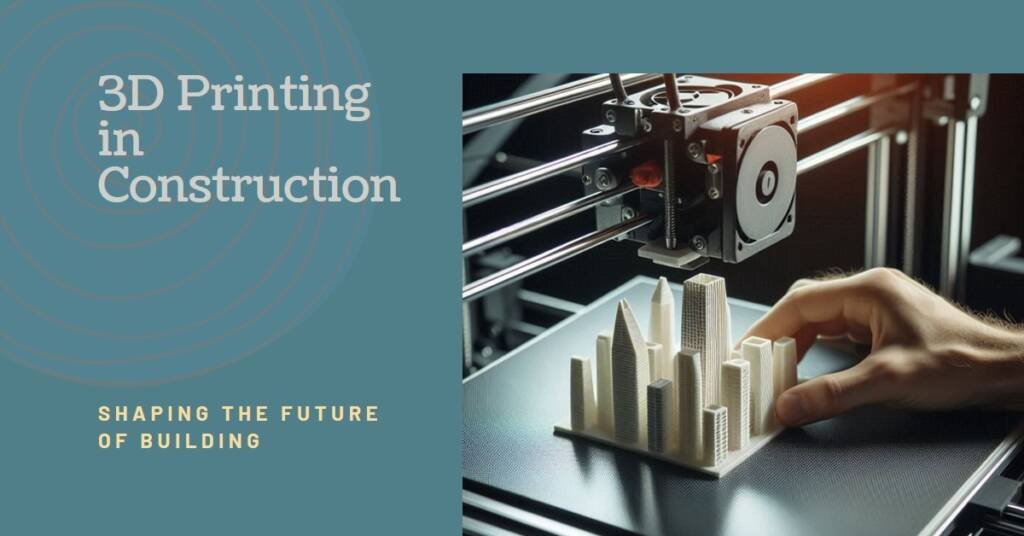
Looking ahead, the future of modular design is promising. With advancements in technology and manufacturing processes, architects are now able to create custom, modular solutions that cater to specific site conditions and user requirements. Innovations such as 3D printing and sustainable materials are paving the way for more efficient and environmentally friendly construction practices. As these trends continue to evolve, the role of architects will also transform, moving from traditional design practices to a more integrative approach that embraces flexibility, sustainability, and user-centered design.
In summary, the RH House corridor marks a significant contribution to the dialogue on modular architecture, illustrating its relevance and potential in modern design. As architects continue to experiment and innovate within this space, the infrastructure of our cities is poised for a transformation that prioritizes not only efficiency but also the well-being of its occupants.