Table of Contents
- Introduction to the Leaning Tower of Bologna
- The Need for Restoration
- Historical Restoration Efforts
- The Upcoming Restoration Plans
- Impact on Tourism and Local Economy
- Cultural Significance of the Tower
- Community Involvement in the Restoration Process
- Challenges Faced During the Restoration Work
- Conclusion: A New Chapter for the Leaning Tower
Introduction to the Leaning Tower of Bologna
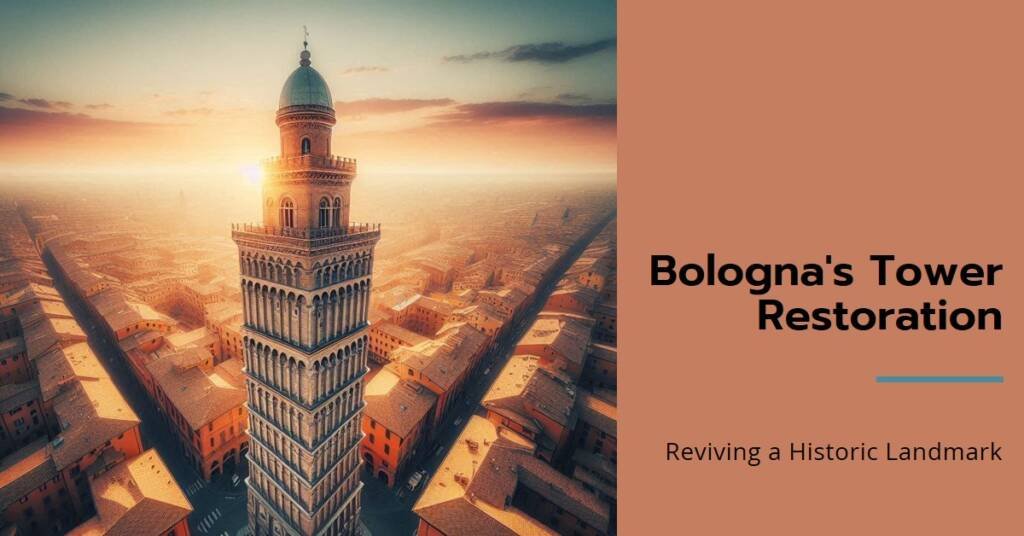
The Leaning Tower of Bologna, officially known as the Torre degli Asinelli, stands as a remarkable testament to the architectural and historical heritage of Bologna, Italy. Constructed in the 12th century, it represents the medieval period’s architectural ingenuity, specifically within the city known for its significant contributions to education and culture. At a height of 97.2 meters, it is often celebrated as one of the tallest leaning towers in the world, capturing the attention of visitors and architectural enthusiasts alike.
This iconic structure is primarily characterized by its Romanesque style, which showcases pointed arches and a series of elegant brickwork that highlights the building’s craftsmanship. The tower leans at an angle of approximately 3.2 degrees, a phenomenon that can be attributed to unstable foundations and the soft, marshy ground on which it was built. This unique tilt not only adds to its charm but also sparks curiosity regarding the challenges faced by builders in the medieval era.
As a prominent symbol of Bologna, the Leaning Tower is intrinsically linked to the city’s identity and serves as a vital reference point for both locals and tourists. Its presence in the cityscape is enhanced by the historical significance associated with the Asinelli family, who commissioned its construction. For generations, the tower has acted as a beacon, drawing visitors, scholars, and historians eager to explore not only its tilted premise but also the rich history surrounding it. Moreover, the tower’s position in proximity to other historical landmarks amplifies its appeal, making it a major tourist attraction within the vibrant cultural tapestry of Bologna.
The Need for Restoration
The Leaning Tower of Bologna, an architectural marvel, has long fascinated visitors with its unique tilt. However, this iconic structure faces significant challenges that necessitate an extensive restoration effort. The primary concern revolves around structural issues that have arisen over the centuries, particularly due to its subsoil composition. The tower is situated on unstable ground, leading to gradual settlement and the exacerbation of its lean. This instability not only poses a risk to the integrity of the tower but also raises safety concerns for tourists and locals alike.
In addition to underlying geological problems, the effects of weathering over time cannot be overlooked. The combination of rain, temperature fluctuations, and environmental pollutants has taken a toll on the external façade of the tower. The bricks and mortar used in its original construction have deteriorated, leading to cracks and surface wear that compromise both the aesthetic and structural components of the building. Experts in historical architecture have noted that regular maintenance is not sufficient to address these issues adequately; instead, more comprehensive restoration techniques are essential to preserve the tower for future generations.
Human activity also contributes to the necessity for restoration. As one of Bologna’s most visited landmarks, the tower faces wear and tear from the influx of tourists. The foot traffic can exacerbate existing structural weaknesses, necessitating careful monitoring and intervention by engineers and architects. Anecdotal evidence from local guides highlights instances where the tower’s access points have needed reinforcement due to crowd-induced stress. This ongoing pressure illustrates the interplay between heritage preservation and contemporary usage, underscoring the urgency for action.
Historical Restoration Efforts
The Leaning Tower of Bologna, renowned for its distinct tilt and architectural significance, has been the subject of various restoration efforts throughout history. The primary focus of these initiatives has been to ensure the stability of this iconic structure while preserving its historical integrity. Initial efforts date back to the late 19th century when concerns regarding the tower’s pronounced lean prompted an assessment of its structural soundness. During this period, engineers encountered substantial challenges, leading to the early adoption of techniques that would reverberate in future restoration projects.
Following World War II, as the tower suffered from environmental wear and neglect, an extensive restoration endeavor was launched. This initiative emphasized the application of modern engineering techniques and materials, allowing for a more robust approach to safeguarding the tower’s stability. Notably, the intervention undertaken in the 1990s marked a significant turning point in its preservation. This comprehensive restoration was characterized by sophisticated methods, such as soil stabilization and the employment of tensioned ropes to counterbalance the lean effectively. These strategies not only reinforced the tower but also informed subsequent restoration practices by illustrating the balance between modern technology and historical preservation.
Over time, various lessons have emerged from these restoration efforts. One critical takeaway has been the importance of involving multidisciplinary teams, comprising architects, historians, and engineers, thereby ensuring a holistic approach to restoration. Furthermore, ongoing monitoring has become crucial in maintaining the structure, as evolving urban conditions continue to impact its stability. These past interventions serve as a foundational benchmark, highlighting both successful methodologies and the complex dynamics inherent in restoring such a monumental edifice. As the current restoration effort unfolds, the lessons gleaned from previous projects remain invaluable in guiding contemporary practices and preserving this magnificent landmark for future generations.
The Upcoming Restoration Plans
The Leaning Tower of Bologna, an iconic landmark and architectural marvel, is set to undergo a comprehensive restoration aimed at preserving its structural integrity and historical significance. The restoration plans have been meticulously crafted by a team of skilled architects and engineers who specialize in heritage conservation. Their approach seeks to address both the leaning structure and the various environmental factors that have contributed to its deterioration over the years.
One of the primary techniques to be employed during the restoration is the use of advanced structural stabilization methods. This will involve the installation of internal supports that will help redistribute the tower’s weight and provide a counterbalance to its current tilt. Engineers have experimented with various materials that will merge seamlessly with the existing structure, ensuring that the historic appearance of the tower is maintained while improving its strength and endurance against seismic activities.
Furthermore, the project will utilize environmentally friendly materials that align with modern restoration ethics. These materials are not only effective in solidifying the structure but also reflect contemporary architectural practices that prioritize sustainability. The restoration team aims to achieve a careful balance between modern techniques and traditional craftsmanship, allowing the tower to retain its authentic character while enhancing its longevity.
The overarching objectives of the restoration team are not merely to prevent potential collapse but to enhance visitor safety and experience. The restoration will also include improvements to the surrounding area, enhancing accessibility for tourists and providing clearer viewpoints for photography. As this significant restoration progresses, insights from the experts will be regularly shared with the public, ensuring transparency and a deeper understanding of the methodologies being employed to save this beloved landmark.
Impact on Tourism and Local Economy
The restoration of Bologna’s Leaning Tower is poised to have a significant effect on both tourism and the local economy. As one of the city’s most iconic landmarks, the tower attracts thousands of visitors each year. With the completion of its comprehensive restoration, it is expected that renewed interest in the tower will draw even larger crowds, bolstering tourism figures considerably. This influx of visitors not only highlights the tower’s historical and architectural significance but also reinforces Bologna as a vital travel destination in Italy.
The availability of enhanced visitor experiences, such as guided tours and improved access to the tower, is likely to contribute positively to overall tourism numbers. As tourism flourishes, local businesses stand to benefit immensely. Restaurants, shops, and hotels are anticipated to experience increased foot traffic and revenue, creating a ripple effect that stimulates the local economy. It is common in tourist-heavy locales for increased visitation to correlate with growth in ancillary services and industries, often resulting in new job creation and investment opportunities.
Additionally, the revitalization of the Leaning Tower can spur the municipality to invest further in infrastructure and public amenities, reinforcing the overall appeal of the area. Tourists are also more inclined to explore surrounding attractions, which further feeds into the economic cycle of local commerce. In this light, the restoration not only safeguards and cherishes Bologna’s cultural heritage but also presents an opportunity for sustainable growth, enhancing the quality of life for residents by providing increased economic stability. As the project nears completion, stakeholders are optimistic about the positive ramifications for both tourism and the local economy, setting the stage for a vibrant future for Bologna’s historic center.
Cultural Significance of the Tower
The Leaning Tower of Bologna, officially known as the Asinelli Tower, stands as a notable landmark that exemplifies the rich cultural and historical heritage of both Bologna and Italy. Erected in the 12th century, this architectural marvel is more than just a freestanding structure; it symbolizes the artistic and architectural achievements of the medieval period. As a prominent feature of the Bologna skyline, the tower has inspired countless artists, writers, and poets, thus embedding itself deeply within the cultural fabric of the city.
In art, the tower has frequently been depicted in various mediums, including paintings and photographs, often serving as a powerful representation of Bologna’s medieval history. Renowned artists have captured its unique slant and grandeur, rendering the tower not just a physical space but a muse that inspires creativity. Its representation in literature further reinforces its significance, as writers frequently mention the Leaning Tower in works that explore themes of resilience and identity, echoing the structural integrity shown by this iconic edifice despite its incline.
Popular culture has embraced the Leaning Tower as well, as it features prominently in tourist brochures, films, and digital media. Its global recognition stems from its unique design and historical importance, making it a focal point for discussions that revolve around architectural preservation and cultural identity. The ongoing restoration of the tower is not merely an effort to maintain its structural integrity; it is an endeavor aimed at safeguarding an invaluable component of Bologna’s communal memory and legacy.
Overall, the Leaning Tower serves as a vital cultural emblem, linking past and present, while the restoration journey signifies the city’s commitment to preserving the narratives that define its identity. The actions taken towards its preservation embody a profound respect for the complex interplay of history and modernity, making the tower a lasting symbol of Bologna and its enduring cultural significance.
Community Involvement in the Restoration Process
The restoration of Bologna’s iconic Leaning Tower is not solely the responsibility of government authorities and preservationists; rather, it is a community effort that thrives on active public engagement and local participation. Community involvement plays a crucial role in ensuring that the tower not only retains its architectural integrity but also remains a significant cultural landmark for future generations. Various initiatives have been launched to foster a sense of ownership and pride within the local populace.
One primary way individuals can engage is through awareness campaigns organized by local heritage organizations. These campaigns aim to educate residents about the tower’s historical significance and the ongoing challenges it faces. Through workshops, informational sessions, and open discussions, the community is encouraged to learn more about the restoration process and the delicate balance between preserving heritage and ensuring structural safety.
Funding initiatives also form a vital component of community participation. Local businesses, schools, and citizen groups are invited to contribute to fundraising activities that support the restoration projects. Events such as charity runs, art exhibitions, and social gatherings bring the community together, creating a collective effort to safeguard the tower’s legacy. Additionally, crowdfunding campaigns have proven effective in garnering financial support from those who feel a connection to this historical site.
Moreover, education plays a significant role in preserving the Leaning Tower’s legacy. Schools and local institutions can incorporate the tower’s history into their curricula, engaging young minds with tales of its origins and its architectural uniqueness. In doing so, they inspire a new generation of stewards dedicated to maintaining its heritage.
Through these combined efforts of awareness, funding, and education, the community not only supports the restoration of Bologna’s Leaning Tower but also cultivates a lasting appreciation for its historical and cultural significance.
Challenges Faced During the Restoration Work
The restoration of Bologna’s Leaning Tower, a significant historical landmark, poses a myriad of challenges that restoration teams must navigate effectively. One of the primary obstacles encountered during such a sensitive undertaking involves technical difficulties. The original construction techniques, combined with the tower’s unique lean, create a complex situation for modern engineers. Specialized equipment and innovative engineering methods are essential to ensure any modifications maintain the tower’s historic integrity while improving structural stability.
Funding shortages also represent a critical challenge in the restoration process. Given the extensive resources required for such a project, securing adequate financial support is paramount. Restoration teams often rely on a mixture of public and private funding sources, including government grants, crowd funding, and donations from patrons who appreciate the cultural value of the tower. Effective communication of the tower’s significance to potential donors is crucial in overcoming these financial hurdles.
Further complicating the situation are weather-related delays, which can halt progress unexpectedly. Rain, high winds, or extreme temperatures can render safety measures ineffective, forcing workers to pause their efforts for both safety and quality assurance. It is essential for project planners to incorporate flexible timelines to accommodate these unforeseen weather conditions.
Moreover, restoration efforts may uncover unexpected structural issues during the assessment phase, such as cracks or material deterioration that were not initially visible. These sudden discoveries necessitate immediate attention and often result in adjustments to the project plan and budget. Engaging with a multidisciplinary team of experts helps ensure a comprehensive approach to addressing such unplanned situations, allowing for efficient management and a successful restoration that honors the legacy of Bologna’s Leaning Tower.


Conclusion: A New Chapter for the Leaning Tower
The restoration of Bologna’s Leaning Tower marks a significant milestone not only for the city but also for the preservation of cultural heritage worldwide. Throughout this blog post, we have explored the challenges faced during the restoration process, the innovative techniques employed, and the overall impact on the historical narrative of Bologna. As a prominent symbol of the city, the Leaning Tower has always captivated the imagination of both locals and tourists alike, serving as a reminder of Bologna’s rich architectural history.
Preserving historical monuments like the Leaning Tower is crucial for fostering a deeper understanding of our past and creating a vibrant cultural landscape for future generations. Successful restoration endeavors ensure that these landmarks can be appreciated in their full glory while safeguarding the stories they convey. The work done on the Leaning Tower exemplifies the importance of balancing modern preservation techniques with respect for historical authenticity, demonstrating the capability of engineering to protect heritage sites.
Looking ahead, the restoration opens up a new chapter for the Leaning Tower, as it is expected to attract even more visitors, stimulating tourism and contributing to the local economy. The enhanced safety measures and structural integrity not only preserve the tower’s legacy but also provide opportunities for educational activities and cultural programs that promote awareness about the significance of heritage preservation. This ongoing journey of restoration will continue to weave the Leaning Tower deeper into the fabric of Bologna’s identity, reflecting the city’s resilience and commitment to safeguarding its historical treasures.
Overall, the future appears bright for the Leaning Tower as it stands tall, both literally and metaphorically, serving as an enduring symbol of Bologna’s unique charm and cultural heritage for generations to come.