Table of Contents
- Introduction to Seattle Center Arena
- Overview of the NHL Expansion
- The Role of Populous in Renovation Design
- Key Features of the Renovation Plan
- Sustainability Initiatives Incorporated in the Renovation
- Economic Impact on the Seattle Community
- Timeline and Milestones of the Renovation Project
- Challenges and Considerations in the Renovation Process
- Conclusion: Building a Legacy through Renovation
Introduction to Seattle Center Arena
The Seattle Center Arena, originally constructed in 1962 as the home for the World’s Fair, has since evolved into a significant cultural and sporting venue in the city of Seattle. Initially named the Coliseum, its design was an emblem of modernist architecture, pioneering the use of unique structures in sports facilities. Over the years, the arena has played host to a multitude of noteworthy events, from concerts by renowned artists to major sports competitions, most notably as the home of the Seattle SuperSonics basketball team until their relocation in 2008.
In terms of community significance, the Seattle Center Arena serves as more than just a sports venue; it has become a central hub for entertainment and community gatherings, reflecting the spirit of Seattle itself. Events ranging from ice skating exhibitions to community festivals have further solidified its importance to local culture. The arena’s versatility allows it to accommodate diverse activities, thus maintaining its relevance in an evolving city landscape.
The anticipation surrounding the upcoming renovations at Seattle Center Arena stems from the NHL expansion, which aims to bring professional hockey back to Seattle with the introduction of the Kraken, the city’s new hockey team. This impending development demonstrates a commitment to enhancing fan experiences and modernizing facilities to meet the needs of both players and attendees. With a focus on state-of-the-art amenities and improved seating arrangements, the renovation will aim to position Seattle Center Arena as a premier venue in the Pacific Northwest, capable of hosting not only hockey games but a wide variety of events for years to come.
Overview of the NHL Expansion
The National Hockey League (NHL) has seen significant expansion in recent years, with a primary focus on diversifying its presence across North America. One of the most noteworthy developments was the introduction of the Seattle Kraken, which officially began competing in the 2021-2022 season. This NHL expansion marks Seattle’s first NHL franchise, filling a notable gap in the Pacific Northwest region, a testament to the city’s rich sports culture and passionate fanbase.
The addition of the Kraken has generated considerable excitement not only within the confines of the city but also across the league, as Seattle is known for its vibrant sports community and experienced dedication to professional teams. The expansion brings with it a myriad of implications, including increased job opportunities, heightened local economic activity, and bolstered tourism. Keeping in line with this growth, the need for modern facilities capable of hosting NHL-level games has become paramount. With many veteran teams already benefiting from state-of-the-art arenas, the renovation of the Seattle Center Arena was crucial to meet these professional hockey standards.
As part of the rebuilding project, the arena underwent significant transformations to ensure it would not only serve the Kraken but also provide a conducive environment for fans and events year-round. Enhanced seating arrangements, improved technology, and upgraded amenities are just a few of the upgrades aimed at elevating the overall spectator experience. This transition reflects the NHL’s commitment to expanding its footprint and adapting to the evolving needs of its franchises. The successful introduction of the Kraken symbolizes the NHL’s ongoing commitment to growth while also underscoring the importance of infrastructural investment in supporting new teams and their communities.
The Role of Populous in Renovation Design
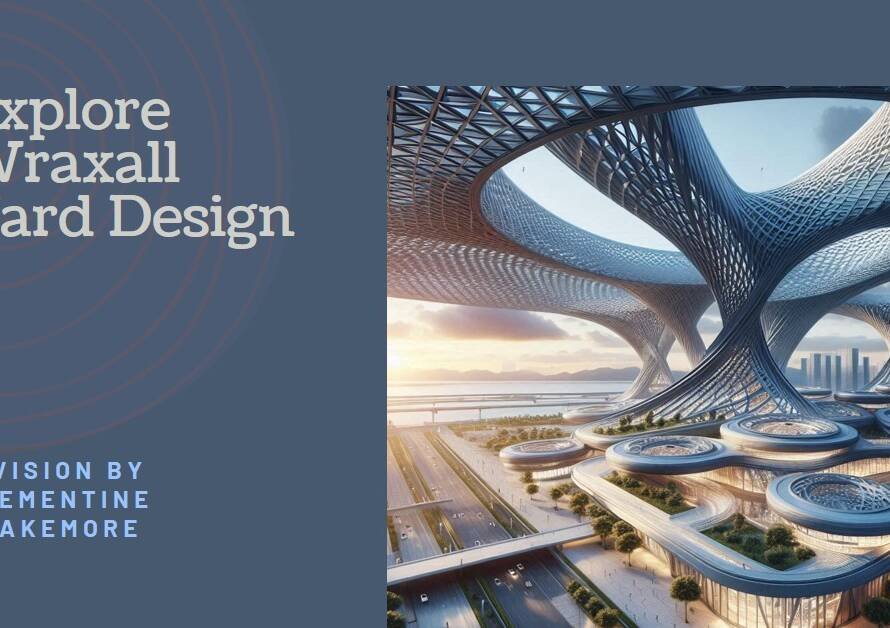
Populous, an internationally recognized architecture and design firm, has carved out a niche in the world of sports and entertainment venues. With a portfolio that spans numerous high-profile projects, such as the redesign of the iconic Wembley Stadium and the comprehensive transformation of the Barclays Center in Brooklyn, Populous has established itself as a leader in creating environments that enhance fan experience while also meeting the functional needs of sports teams. Their approach to renovation design is rooted in a deep understanding of the cultural and architectural significance of each venue, enabling them to craft solutions that celebrate the history of the space while modernizing its facilities.
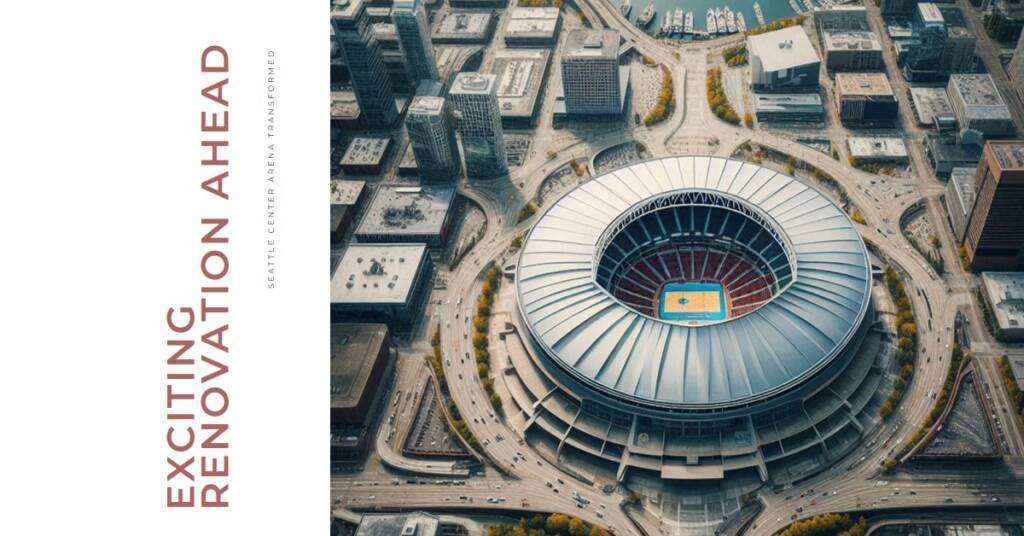
The ongoing renovation of the Seattle Center Arena, originally built for the 1962 World’s Fair, exemplifies Populous’ commitment to blending tradition with innovation. The firm’s design philosophy emphasizes collaboration with the local community, ensuring that the updated arena not only serves as a state-of-the-art home for the NHL’s newest expansion team but also remains a beloved landmark in Seattle. With a focus on sustainability and accessibility, Populous aims to create a facility that welcomes all fans and establishes a lasting legacy for sports in the region.
Innovative strategies are at the forefront of Populous’ renovation vision for Seattle Center Arena. They employ cutting-edge technology and design techniques that prioritize fan interaction and engagement. The integration of advanced audiovisual systems, enhanced hospitality options, and flexible seating arrangements are just a few examples of their approach. Moreover, by utilizing local materials and incorporating art and culture representative of Seattle, Populous ensures the new arena not only meets modern sporting demands but also resonates with the unique identity of the city. Through this renovation, Populous is set to elevate the arena’s functionality while paying homage to its storied past, creating a space that is both forward-thinking and historically rich.
Key Features of the Renovation Plan
The renovation of the Seattle Center Arena, spearheaded by Populous, introduces a host of key features designed to enhance the venue in alignment with the NHL’s standards and to cater to an expansive audience. One of the standout elements of the renovation plan is the increase in seating capacity. The new layout aims to accommodate approximately 18,100 spectators for hockey games, providing a more intimate yet lively atmosphere. This increase not only allows for a higher volume of fans but also fosters an electrifying environment conducive to live sporting events.
In addition to adjusting the seating capacity, the renovation emphasizes improved fan amenities throughout the arena. The plan includes an array of diverse food and beverage options, enabling visitors to enjoy a remarkable culinary experience. This includes locally sourced cuisine and craft beverages, which reflect the regional character of Seattle. Moreover, premium seating options such as luxury suites and club seats are being integrated to offer fans an upscale experience while watching the game. These amenities aim to make the Seattle Center Arena not just a venue for sports but also a premier entertainment destination.
Technology upgrades play a crucial role in modernizing the arena. Enhanced wi-fi connectivity is being installed to cater to the digitally-savvy audience, allowing fans to share their experiences in real time. Additionally, state-of-the-art video boards and sound systems will ensure that guests enjoy an immersive experience. Accessibility improvements are also paramount in this renovation plan. Here, features such as wider concourses, more accessible seating, and improved signage are incorporated to maintain compliance with current accessibility standards while ensuring all fans can conveniently navigate the arena. Collectively, these key features create a remarkable environment for NHL hockey and a memorable experience for all attendees.
Sustainability Initiatives Incorporated in the Renovation
The renovation of the Seattle Center Arena is not just about modernizing the facility; it also aims to set a benchmark for sustainability in sports venues. By integrating innovative design elements, the project seeks to reduce the environmental impact associated with both the construction process and the long-term operation of the arena. One of the key sustainability initiatives involves the implementation of energy-efficient systems that reduce overall energy consumption. These systems, which include advanced heating, ventilation, and air conditioning technologies, will ensure a minimal carbon footprint while maintaining optimal comfort for spectators and staff.
Additionally, waste reduction strategies have been prioritized throughout the renovation process. The project intends to minimize waste through careful planning and material selection, focusing on recycling and repurposing existing materials where possible. This approach not only reduces landfill waste but also promotes a circular economy within the construction industry. Furthermore, the arena will incorporate zero-waste practices during event operations, aiming to divert as much waste as possible from landfills through comprehensive recycling and composting programs.
Another vital element of the renovation is the commitment to using eco-friendly materials. This encompasses sourcing products that are sustainably harvested, recycled, or possess low environmental impact throughout their lifecycle. By prioritizing these materials, the Seattle Center Arena will not only support sustainable forestry and manufacturing practices but also contribute to healthier indoor air quality for all occupants. Energy-efficient lighting systems, which utilize LED technology, will further enhance these efforts by significantly reducing energy consumption while maintaining optimal visibility.
Overall, the Seattle Center Arena renovation exemplifies a forward-thinking approach to design and construction, reinforcing the importance of sustainability in modern public facilities. Through these various initiatives, the project aims to serve as a model for future developments in the sports and entertainment industry.
Economic Impact on the Seattle Community
The renovation of the Seattle Center Arena, led by the architectural firm Populous, is expected to significantly enhance the economic landscape of the local community. This revitalization aligns with the anticipated growth of the National Hockey League (NHL) franchise, which promises to create a myriad of job opportunities. From construction jobs during the renovation process to permanent positions within the arena for event staff, concession workers, and security, the project is poised to bolster local employment rates.
Moreover, the increment in job opportunities does not solely pertain to the arena; it extends to surrounding businesses that stand to benefit directly from increased foot traffic. Restaurants, hotels, and retail establishments within close proximity to the arena are likely to experience a surge in patronage due to upcoming games and concerts. This boost in demand is crucial for local businesses, prompting them to expand and hire additional staff, thereby amplifying community economic growth.
The local tourism sector is also projected to receive a substantial impact from the renovated arena. With the establishment of a new NHL team, Seattle is expected to attract both domestic and international visitors who will attend games, tournaments, and other major events hosted at the venue. This influx of visitors will result in increased expenditures on accommodations, dining, and entertainment, ultimately translating into enhanced revenue for the local economy.
The financial commitment to the Seattle Center Arena renovation signifies not just a transformative sports venue, but a catalyst for economic revitalization. By fostering community engagement through sports and entertainment, the NHL franchise is set to strengthen Seattle’s local economy, drawing attention from investors and promoting long-term sustainability for the area. The renovations pave the way for a thriving environment where economic growth can flourish, enriching the Seattle community as a whole.
Timeline and Milestones of the Renovation Project
The renovation project of the Seattle Center Arena, driven by Populous, has been meticulously planned to align with the expansion of the National Hockey League (NHL) in Seattle. This undertaking commenced in early 2018, aiming to modernize the arena while preserving its iconic structure. The initial phase involved extensive assessments and planning, incorporating community feedback and design considerations to ensure the project met both functional and aesthetic expectations.
The groundbreaking ceremony took place in April 2019, marking a significant milestone in the renovation timeline. This phase was crucial as it signaled the transition from planning to execution. Subsequent groundwork focused on structural modifications, which included the addition of a new entrance and enhanced facilities to accommodate NHL standards. By early 2020, substantial progress was being made, with major structural reinforcements completed and the new roof framework in place.
As the year progressed, installation of state-of-the-art amenities began, designed to enhance fan experience. The installation of enhanced seating, improved sightlines, and expanded concourse areas were pivotal milestones within this timeline. By mid-2021, the interior finishes and technological upgrades were underway, ensuring the arena would provide cutting-edge experiences for visitors and event-goers alike.
The renovation project remained adaptive, considering the external challenges posed by the global pandemic, which led to some schedule shifts. However, by the end of 2022, the arena renovation was nearing completion. As they prepared for the maiden NHL season in 2023, final inspections and test events were scheduled for late summer, ensuring everything was in place for a smooth opening. The successful execution of this timeline exemplifies the intent to deliver a premier venue that meets the rigorous demands of the NHL while celebrating the cultural heritage of Seattle.
Challenges and Considerations in the Renovation Process
The renovation of the Seattle Center Arena, spearheaded by Populous, presents various challenges and considerations that must be carefully navigated to ensure a successful transformation. Logistical issues form a core component of the renovation process. Given the arena’s crucial location within Seattle’s urban landscape, coordinating construction activities while minimizing disruption to local traffic and pedestrians is imperative. This challenge is compounded by the need to maintain access to adjacent facilities and public transportation options. Effective planning and communication with stakeholders will be necessary to address these logistical hurdles.
Another significant consideration includes budget constraints. Renovation projects of this scale often encounter financial challenges, whether due to unforeseen costs or fluctuations in material prices. Stakeholders must be proactive in establishing a clear budget, identifying potential funding sources, and implementing strict financial oversight throughout the process. Transparent reporting of financial progress to the community can foster trust and support for the renovation, as public interest in the project remains high.
Community concerns will also play a pivotal role in this renovation project. Engaging local residents and interest groups to ensure their voices are heard during the planning stages is essential. This includes addressing potential worries regarding noise, construction timelines, and the long-term impact of the renovation on local culture and businesses. Establishing an open dialogue through town hall meetings, feedback surveys, and regular updates can help mitigate concerns and build community support for the development.
In addressing these challenges, careful consideration of logistics, budget, and community input will be vital. By anticipating and strategically managing these factors, the renovation of the Seattle Center Arena can not only meet the demands of NHL expansion but also enhance the venue’s value to the city of Seattle.


Conclusion: Building a Legacy through Renovation
The renovation of the Seattle Center Arena represents more than just an upgrade for NHL expansion; it stands as a transformative opportunity for the city of Seattle and its community. By modernizing this iconic venue, there is a profound potential to foster a vibrant sports culture that resonates beyond the ice rink. The architectural enhancements and improved facilities will not only provide an advanced experience for fans, but they will also create an engaging space for family-oriented events, concerts, and community gatherings, ensuring that the arena becomes a focal point for various aspects of public life.
Such revitalization efforts provide the perfect platform for Seattle to enhance its reputation as a thriving metropolis. As the city welcomes the NHL, the arena’s renovation will establish a more inviting atmosphere that encourages participation in local sporting events. The focus will be on creating a multi-functional environment that benefits a wide array of stakeholders, from sports enthusiasts to local businesses. As the arena evolves, it will be positioned to attract significant tourism, providing economic boosts to the community and ongoing support for local enterprises.
Moreover, this renovation is a commitment to future generations of sports fans. By ensuring that the arena meets contemporary standards of design and sustainability, Seattle can foster an environment where the love for sports can flourish within a state-of-the-art structure. In doing so, the city is not merely preserving a historical landmark; it is expanding the legacy that will resonate for years to come. The improvements at the Seattle Center Arena epitomize a dedication to creating an inclusive and dynamic place for all, where history and modernity coexist harmoniously. Such initiatives reflect a forward-thinking approach in which the renovation serves as a catalyst for community engagement, celebration of local culture, and the fostering of civic pride.