Table of Contents
- Introduction to Design Briefs
- Understanding Atelier X’s Philosophy
- The Importance of Questioning Assumptions
- Techniques for Challenging Design Briefs
- Collaboration as a Tool for Refinement
- Real-life Examples from Atelier X Projects
- Overcoming Resistance to Change
- The Role of Feedback and Iteration
- Final Thoughts: Embracing the Challenge
Introduction to Design Briefs
A design brief is a vital document that outlines the key objectives, scope, and expectations for a design project. It serves as a foundational tool that guides the design team and stakeholders throughout the creative process. The purpose of a design brief is multifaceted; it ensures that all parties involved are aligned in their understanding of the project goals and constraints, thereby fostering effective collaboration.
In essence, a well-crafted design brief not only clarifies the vision for the project but also delineates the specifics regarding budget, timeline, and target audience. This type of document functions as a roadmap, steering the project in the right direction and mitigating the risk of miscommunication. On the contrary, a poorly articulated design brief can result in confusion, scope creep, and ultimately, unsatisfactory outcomes. Its significance cannot be overstated, as it lays the groundwork for the relationship between designers and clients.
Common elements found in a design brief typically include project objectives, target audience profiles, budget constraints, key milestones, and deliverables. Additionally, it may outline the desired style and tone, as well as any existing brand guidelines that must be adhered to. The clarity and comprehensiveness of these elements greatly influence the level of success a project can achieve.
Moreover, periodic revisions to the brief can enhance adaptability in the face of changing project dynamics. This iterative process allows designers to address feedback and refine the project scope while maintaining a focus on the original goals. By investing time and effort into creating a detailed design brief, parties involved are more likely to set the stage for a successful and fruitful design journey.
Understanding Atelier X’s Philosophy
Atelier X stands at the forefront of contemporary design by embracing a distinct philosophy that drives their approach to design briefs. Central to their ethos is the belief that challenges within a brief are not just obstacles but rather gateways to creativity and innovation. This perspective transforms traditional notions of client needs and expectations into a collaborative dialogue aimed at architectural excellence.
Atelier X views each project as unique, necessitating a tailored response that reflects the specific demands of the design brief. Their methodology involves meticulously dissecting the brief to uncover underlying intentions, desires, and potential areas for innovation. By identifying opportunities for creative exploration within constraints, Atelier X fosters an environment where out-of-the-box thinking flourishes. This approach not only refines the design process but also enriches the final outcomes, leading to distinctive and meaningful solutions that resonate with the intended audience.
The team at Atelier X employs a comprehensive, iterative process that balances rigorous analysis with imaginative experimentation. They prioritize essential conversations with clients to ensure a deep understanding of the project’s goals and aspirations. This partnership allows Atelier X to effectively challenge assumptions and rethink design constraints, ultimately leading to solutions that surpass traditional expectations. By cultivating a mindset that embraces challenges, Atelier X not only enhances its creative output but also shifts the paradigm of how design briefs are interpreted.
Consequently, Atelier X demonstrates that reimagining the relationship between client and designer can significantly transform the design landscape. By positioning challenges as opportunities within their philosophy, they continue to inspire and elevate the standard of architectural ingenuity, thus contributing to a rich tapestry of contemporary design excellence.
The Importance of Questioning Assumptions
In the realm of design, the initial design brief often serves as a cornerstone for projects, outlining the client’s expectations and requirements. However, it is crucial for designers to recognize that assumptions within these briefs can frequently lead to misconceptions, potentially compromising the design process and the final outcome. Questioning these assumptions allows designers to dig deeper, fostering a more nuanced understanding of the client’s needs and objectives.
Atelier X emphasizes the necessity of critically evaluating the contents of a design brief. By approaching assumptions with a healthy skepticism, designers can uncover any discrepancies that might not be immediately apparent. For instance, during a recent project, a member of Atelier X’s team noted, “We always dissect the client’s brief to identify hidden assumptions. It’s essential to clarify what they mean by specific terms or goals, as interpretation can vary widely.” This proactive approach ensures that the design solution aligns with the client’s true intent rather than merely adhering to what was initially proposed.
One strategy that Atelier X employs is conducting follow-up interviews with clients, where they encourage open discussions about their visions and constraints. This dialogue not only clarifies uncertainties but also assists in establishing a strong rapport, setting the stage for collaborative problem-solving. Additionally, utilizing workshops or brainstorming sessions can empower both designers and clients to express their expectations, leading to innovative design strategies that might have otherwise remained undiscovered.
Moreover, examining the context surrounding a project’s assumptions can reveal underlying issues that may have been overlooked. Designers at Atelier X often research market trends and user behaviors to challenge the validity of the client’s assumptions. Through this comprehensive approach, they are better equipped to draft designs that are not only aesthetically pleasing but also functionally relevant and user-centered.
Techniques for Challenging Design Briefs
Atelier X employs a variety of techniques to effectively challenge and reinterpret design briefs. One of the foundational methods used by the firm is conducting thorough stakeholder interviews. These interviews serve as a platform for gathering diverse perspectives from clients and users alike. By engaging various stakeholders in conversations, Atelier X is able to uncover underlying needs and aspirations that may not be immediately evident in the initial brief. This process enriches the understanding of project goals and provides context that can significantly shape the design outcome.
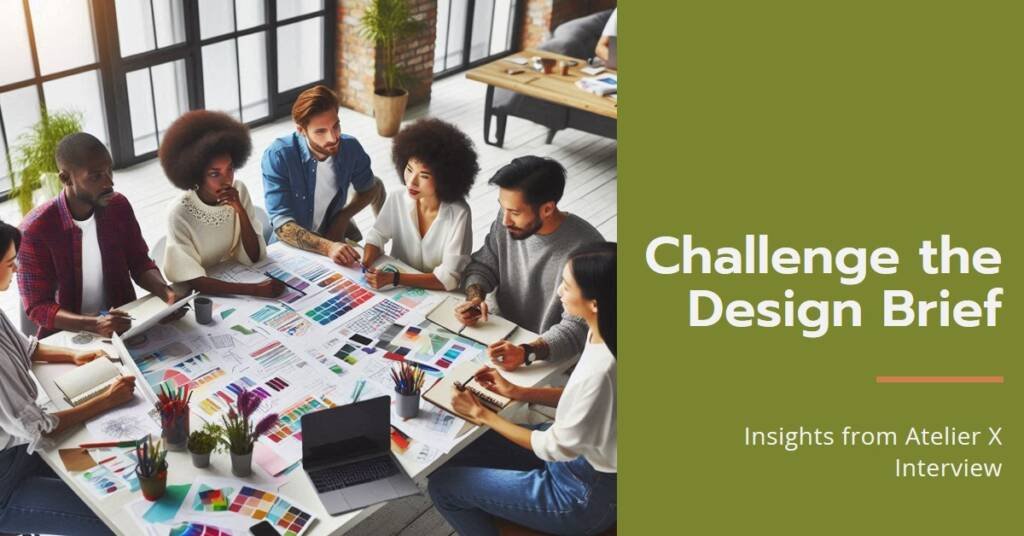
Another critical technique utilized by Atelier X is the facilitation of collaborative workshops. These workshops bring together cross-functional teams, including designers, engineers, and marketing professionals, fostering an environment of open communication and creativity. Through brainstorming sessions and group activities, participants can challenge preconceived notions within the design brief and explore innovative solutions. The collaborative nature of workshops encourages collective problem-solving, often resulting in richer design concepts that resonate more deeply with target audiences.
Prototyping is also a key technique employed by Atelier X, allowing them to visualize design ideas and interpret the brief in tangible forms. By creating low-fidelity prototypes, the team can test concepts early in the design process. This hands-on approach enables rapid iteration based on user feedback, facilitating adjustments that align with the revised understanding of project objectives. Prototyping not only aids in refining design concepts but also ensures that the final outcomes are not just aesthetically pleasing but functionally effective, thereby enhancing overall user experience.
Through the strategic use of stakeholder interviews, collaborative workshops, and prototyping, Atelier X demonstrates how challenging the design brief can lead to more informed and impactful design outcomes, ultimately resulting in innovative solutions that better serve user needs.
Collaboration as a Tool for Refinement
Collaboration serves as a fundamental tool for refining and elevating the initial design brief, particularly within the creative environment of Atelier X. The importance of fostering collaborative relationships between clients, team members, and stakeholders cannot be overstated; in fact, such interactions often lead to the emergence of innovative ideas and solutions that may not have been realized in isolation.
Atelier X prioritizes open dialogue, encouraging feedback and ongoing discussions throughout the design process. By establishing a culture that values diverse perspectives, the team is able to challenge assumptions and expectations embedded in the design brief. This approach not only enhances the creative output but also deepens the understanding of the client’s needs, thus paving the way for a more cohesive project vision. Collaborative sessions—be they brainstorming meetings, workshops, or informal discussions—allow for real-time adjustments to the design brief, ensuring that it evolves in alignment with the stakeholders’ aspirations and objectives.
Furthermore, this iterative refining process ensures the inclusion of different viewpoints, which fosters a sense of ownership among participants. When all stakeholders actively contribute, the design becomes a shared endeavor rather than a top-down directive. This inclusion often leads to increased commitment to the project and a stronger emotional investment in the final outcomes. During the design process at Atelier X, team members are encouraged to articulate their insights and challenge one another constructively. This commitment to collaboration helps the team to uncover potential blind spots in the initial brief, ultimately resulting in a more comprehensive and effective design solution.
In conclusion, the collaborative ethos embraced by Atelier X not only nourishes the refinement of the design brief but also elevates the overall quality of the project outcomes. By valuing the contributions of all stakeholders, the creative process becomes a dynamic exchange, allowing for the continuous evolution of ideas and objectives.
Real-life Examples from Atelier X Projects
Atelier X has consistently demonstrated its ability to engage with and transcend the conventional parameters set forth in design briefs. One notable example can be seen in the renovation of the historical Parchemin Palace. Initially, the brief aimed for a straightforward restoration, with a focus on preserving the building’s original elements. However, the team recognized the opportunity to integrate modern functionalities while respecting the heritage of the site. By employing creative strategies, such as introducing sustainable technologies, Atelier X transformed the space into a multi-functional cultural hub, effectively merging the old with the new.
Another significant case is the design of the Eco-Flex Community Center. The original proposal emphasized a conventional layout designated for office space and meeting rooms. Atelier X identified the community’s broader need for adaptable spaces that could serve various social functions. This insight led to a radical shift in design, resulting in an open-plan structure with movable partitions and natural ventilation systems. The final design not only met the community’s expectations but also garnered accolades for innovation in sustainable design.
The renovation of the Artisanal Market stands out as another illustrative case. The brief focused on expanding the vendor stalls without altering the market’s cultural essence. Atelier X proactively engaged with local artisans to understand their needs and incorporated their input into the design process. This collaboration resulted in a vibrant marketplace that enhanced user experience while preserving cultural integrity. By carefully analyzing stakeholder perspectives and integrating adaptability into the design, Atelier X was able to produce an outcome that surpassed the initial limitations of the project brief.
Overcoming Resistance to Change
In the realm of design, the process of challenging established briefs often encounters significant resistance. This resistance can manifest both externally, from clients, and internally, among team members. Recognizing the nature of this resistance is pivotal for designers, particularly as they strive to innovate and push creative boundaries. Often, clients may hold a strong attachment to their initial ideas, viewing them as the result of extensive thought and investment. This emotional and intellectual commitment can lead to reluctance in accepting alternative concepts or approaches advocated by designers.
From an internal perspective, team members may exhibit resistance due to a desire to adhere to conventional norms or fear of deviating from the established workflow. This scenario can create friction within the team and hinder the collaborative spirit necessary for effective design solutions. In both cases, overcoming resistance requires strategic measures that foster an environment conducive to open dialogue and constructive feedback.
Atelier X emphasizes the significance of building trust and rapport with clients as a foundational strategy for overcoming resistance. By engaging clients in a participatory process, designers can create a sense of ownership over the project. This approach involves transparent communication about the reasons behind proposed changes, demonstrating how alterations align with client objectives and overall project goals. Additionally, establishing a feedback loop not only allows clients to express their concerns but also helps designers refine their ideas, ensuring that all voices are heard.
Furthermore, internal synergy among team members plays a critical role in navigating resistance to change. Encouraging a culture of experimentation, where team members feel valued for their input, helps mitigate anxiety surrounding new ideas. Regular brainstorming sessions and collaborative workshops can serve as platforms for brainstorming creative alternatives, ensuring that team members are aligned and supportive of novel directions. Through these approaches, designers can effectively address resistance, facilitating a more adaptable and innovative design process.
The Role of Feedback and Iteration
In the realm of design, feedback and iteration are indispensable components that can significantly influence the outcome of a project. Atelier X recognizes the importance of incorporating client feedback throughout various stages of the design process. By actively engaging clients and stakeholders, the firm ensures that the design trajectory aligns with the original vision and expectations, fostering a collaborative atmosphere. This method not only empowers clients to feel invested in the development but also enhances the overall quality of the design solution.
The iterative process allows for the continual refinement of ideas, which is crucial when challenging a design brief. Atelier X embraces feedback loops that facilitate the assessment of design concepts at multiple checkpoints. This practice encourages open communication and creates opportunities to revisit and reassess decisions based on informed insights. Understanding that a design brief is often just the starting point, Atelier X leverages feedback to explore alternative approaches and unexpected solutions, which might better address the evolving needs of the client.
Moreover, by incorporating structured feedback sessions, Atelier X can capture diverse perspectives, ensuring that the final design reflects not only the client’s vision but also the insights of other stakeholders involved. This inclusive approach is essential in avoiding potential misalignments and improving overall stakeholder satisfaction. Iteration provides a platform for testing and validating ideas before they are fully realized, thereby minimizing risks associated with misinterpretation of the design brief. The proactive engagement with clients throughout this process not only deepens their understanding of design methodologies but also cultivates a sense of ownership over the final product.
Through a robust feedback and iteration framework, Atelier X adeptly navigates the complexities of challenging a design brief, aligning their creative outputs with the aspirations of their clients, ultimately leading to successful project outcomes.


Final Thoughts: Embracing the Challenge
Throughout the exploration of Atelier X, a prominent design firm known for its innovative approach, several pivotal insights emerge regarding the significance of challenging design briefs. The traditional perspective on design briefs often emphasizes strict adherence, yet this approach may stifle creativity and limit exploration. By encouraging designers to question and reconsider the parameters set by briefs, Atelier X has fostered a culture where curiosities and unexpected ideas thrive.
One key takeaway from the interviews with the Atelier X team is the importance of approaching design briefs with an open mind. This mindset not only facilitates new interpretations of the initial objectives but also leads to groundbreaking solutions that may not have seemed possible at first glance. When designers are encouraged to probe deeper into the essence of a project, they are able to identify opportunities that align better with the needs of clients and users alike.
Moreover, challenging design briefs is not merely about deviating from established norms; it is about engaging in a dialogue that pushes boundaries and embraces innovation. The case studies presented by Atelier X illustrate how this practice can yield transformative results, integrating user feedback and evolving trends into the design process. Such an approach cultivates a symbiotic relationship between designers and their clients, where collaboration becomes central to the creative process.
Ultimately, fostering a culture of creativity and innovation is essential for any design community wishing to remain relevant in a continually evolving landscape. Encouraging designers to challenge the status quo not only enhances the quality of their work but positions them as thought leaders in the industry. In conclusion, embracing the challenge of design briefs opens the door to infinite possibilities, inspiring designers to create impactful solutions that resonate with users and exceed client expectations.