Table of Contents
- Introduction to Soccer Stadium Projects
- Historical Evolution of Soccer Stadiums
- Innovative Designs and Architectures
- Major Stadium Projects in Europe
- Stadium Developments in the Americas
- Emerging Stadium Trends in Asia and Africa
- Economic and Social Impact of Stadium Projects
- Challenges in Soccer Stadium Construction
- Future of Soccer Stadiums: Trends and Predictions
Introduction to Soccer Stadium Projects
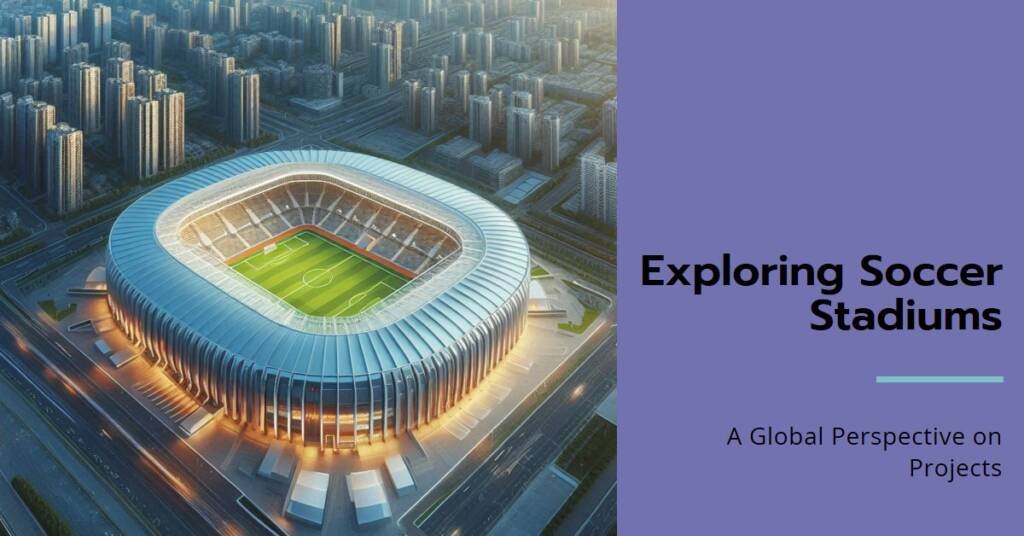
Soccer stadium projects encompass a wide array of developments focusing on the construction, renovation, and expansion of facilities dedicated to the sport of soccer. These projects hold significant importance within the realm of sports and entertainment, as they not only serve as the home grounds for professional teams but also act as venues for various events, ranging from international tournaments to community gatherings. The design and functionality of modern soccer stadiums aim to elevate the fan experience, ensuring that attendees enjoy visually appealing, comfortable, and immersive environments.
Furthermore, soccer stadium projects play a crucial role in bolstering local economies. They often generate substantial employment opportunities during both the construction phase and the operational phase, contributing to job creation within various sectors. As these facilities attract fans from local and international communities, they stimulate the hospitality industry, boosting revenue for nearby businesses, including restaurants, hotels, and retail shops. This economic impact underscores the importance of soccer stadium projects as essential contributors to urban development and community enrichment.
Modern trends in stadium design and construction reflect a shift towards sustainability and innovation. Many new soccer stadiums are being designed with state-of-the-art technology and environmentally friendly materials to minimize their ecological footprint. Features such as solar panels, rainwater harvesting systems, and advanced energy-efficient lighting are increasingly common, allowing stadiums to reduce their operating costs while promoting a greener future. Additionally, an emphasis on creating multipurpose venues that can host a wider variety of events has led to the incorporation of versatile spaces and amenities, ensuring that these stadiums remain a vibrant part of the community year-round.
Historical Evolution of Soccer Stadiums
The historical evolution of soccer stadiums is a reflection of the sport’s growth and its cultural significance across the globe. Initially, soccer matches were played on simple grounds with no dedicated structures or facilities. These fields were often just open plots of land where communities gathered to showcase their talent. However, as soccer gained popularity, the need for more organized and accommodating venues became evident.
One of the pivotal moments in the evolution of stadiums occurred in the late 19th and early 20th centuries with the establishment of iconic venues, such as England’s Wembley Stadium in 1923 and Italy’s San Siro in 1926. These early stadiums were designed with the intent to host large crowds and provide an improved spectator experience. Their ability to accommodate thousands of fans set a precedent for future stadium designs. The importance of major tournaments such as the FIFA World Cup instigated a transformation in the architectural landscape of soccer stadiums. For example, the 1950 World Cup in Brazil saw the build-up of large-scale arenas that included modern amenities and reflected architectural advancements of the time.
Technological advancements further influenced stadium construction, from the introduction of all-seater arrangements to enhancements in media broadcasting. The onset of the digital age brought about the integration of high-definition screens and electronic scoreboards, significantly improving the spectators’ experience. Additionally, the consideration of sustainability led to the design of eco-friendly stadiums, incorporating features such as rainwater harvesting systems and solar panels.
Each milestone in the historical development of soccer stadiums not only showcases architectural progression but also illustrates the cultural shifts surrounding the sport. Over the decades, stadiums have evolved from rudimentary grounds to multi-purpose arenas that host various events beyond soccer, demonstrating their pivotal role in the global sporting arena.
Innovative Designs and Architectures
In recent years, soccer stadium projects have increasingly focused on innovative designs and architectural styles that enhance the spectator experience while fulfilling sustainability goals. One notable trend is the incorporation of sustainable building materials, which minimize environmental impact without sacrificing aesthetic appeal. Stadiums are now often constructed using recycled materials, energy-efficient systems, and technology that reduces carbon footprints. This shift caters to the growing demand for responsible construction practices within the realm of sports architecture.
Another significant element in modern stadium design is the introduction of retractable roofs. These roofs provide flexibility in accommodating various weather conditions, ensuring that matches can continue seamlessly, regardless of rain or extreme heat. In addition, retractable roofs transform stadiums into multi-functional spaces, allowing venues to host a variety of events, such as concerts and festivals, beyond the sport of soccer. This adaptability extends the usability of these structures, promoting higher revenue generation for clubs.
The use of advanced fan engagement technologies also plays a critical role in the design of contemporary soccer stadiums. Features such as large-scale video screens, interactive kiosks, and enhanced wi-fi connectivity engage fans in ways never experienced before. Moreover, innovative seating arrangements and open spaces facilitate better interaction among supporters, creating a vibrant matchday atmosphere. Some designs even include hospitality suites and lounges that improve the overall game-day experience, catering to diverse audience preferences.
As modern soccer stadiums continue to evolve, architects are increasingly challenged to create environments that are not just functional spaces for viewing matches, but also community hubs that foster social interaction and inclusivity. These innovative designs signify a shift towards prioritizing both form and function, setting a new standard for the future of soccer stadium projects globally.
Major Stadium Projects in Europe
Europe is home to some of the most iconic soccer stadiums in the world, each telling a unique story through its design, architecture, and capacity. Recent developments in stadium projects across the continent reflect the ongoing commitment to enhancing the spectator experience, ensuring safety, and promoting sustainability in the world of football.
One of the most noteworthy stadiums in recent history is Wembley Stadium in England. Following its completion in 2007, Wembley has established itself as a central hub for both soccer and various events. Its striking architecture, highlighted by the iconic arch, illustrates the blending of modern facilities with rich football tradition. Renovation efforts have sustained its status as a premier venue, with continual upgrades to technology and accessibility features, responding to the evolving demands of fans.
Across the Channel, Germany’s Allianz Arena in Munich captures attention with its inflatable ETFE plastic panels that allow the stadium to change colors. Completed in 2005, the arena is home to acclaimed soccer club Bayern Munich. With a seating capacity of over 75,000, it has become a symbol of modern architecture in sports. Upcoming projects aim to introduce eco-friendly technologies to further enhance its sustainability, demonstrating a proactive approach to environmental stewardship in soccer stadium design.
Similarly, Spain’s legendary Camp Nou, home to FC Barcelona, is currently undergoing significant renovation as part of the Espai Barça project. This ambitious development will modernize the stadium, increasing its capacity while improving fan amenities and safety. These updates reflect the importance of preserving cultural heritage while adapting to modern standards, ensuring that such sports landmarks continue to thrive in an increasingly competitive sporting landscape.
These case studies exemplify how European soccer stadium projects are evolving. With a focus on innovation and sustainability, the future of soccer venues promises to enhance athletic performances and enrich the overall experience for millions of fans across the continent.
Stadium Developments in the Americas
The soccer landscape in the Americas has evolved significantly in recent years, reflecting the increasing popularity of the sport across the continent. Major investments have been made in soccer stadium projects that not only enhance the match-day experience but also serve as community hubs. For instance, the Banc of California Stadium, home to Los Angeles FC, represents a modern prototype for soccer venues. Opened in 2018, this stadium has a capacity of 22,000 and showcases cutting-edge design and facilities. Its construction has rejuvenated the surrounding area, providing economic boosts through local jobs and increased foot traffic to businesses nearby.
Renovations of historic stadiums also underscore the commitment to soccer in both North and South America. A prime example is the Estadio Monumental in Lima, Peru, which has undergone substantial upgrades to maintain its standing as one of South America’s most iconic venues. Featuring over 80,000 seats, it has hosted numerous international events and symbolizes the rich soccer culture in the region. Such renovations ensure that these historic sites remain relevant and can accommodate the growing fan base while enhancing overall spectator experiences.
The economic impact of these stadium projects extends beyond just the immediate vicinity. The venues often become catalysts for broader urban development, contributing to infrastructure improvements and creating opportunities for tourism. Moreover, soccer stadiums serve as focal points for community engagement, hosting events that unite diverse groups and promote local pride. From grassroots initiatives to major league matches, these facilities become central to the social fabric of their communities. As soccer continues to gain traction in the Americas, the development of soccer stadiums will remain integral to the sport’s growth and the region’s economic vitality.
Emerging Stadium Trends in Asia and Africa
The global interest in soccer continues to flourish, particularly in Asia and Africa, where several nations are undertaking significant stadium projects aimed at enhancing fan experience and integrating community elements. These emerging stadium trends reflect the rapid growth of soccer in these regions, where new developments are designed to provide not just venues for matches but multifunctional spaces that promote social interaction and regional development.
One notable example is the Lusail Iconic Stadium in Qatar, which is set to host events during the FIFA World Cup 2022. This project exemplifies the integration of advanced technology into stadium design, featuring state-of-the-art facilities that prioritize fan experience. Innovations such as enhanced visibility through high-definition screens, improved acoustics, and advanced security measures underscore the focus on providing a safe and enjoyable environment for spectators. Furthermore, the Lusail Stadium is designed to be environmentally sustainable, incorporating green technology in its construction and operation.
In addition to infrastructure improvements, there is also a growing emphasis on travel accessibility for fans. Some projects aim to enhance public transport links, ensuring that stadiums are easily accessible by buses and trains, particularly in densely populated urban areas. This focus on accessibility not only makes attending matches more convenient for local and international fans but also promotes greater attendance and fosters a sense of community engagement.
Another key aspect of these emerging trends is community integration. New stadium designs are increasingly considering how best to incorporate local culture and public spaces, creating venues that serve the community year-round, not just on match days. Such initiatives can revitalize neighborhoods, create jobs and promote local businesses, illustrating how soccer stadium projects can have a broader positive impact beyond the sport itself.
Economic and Social Impact of Stadium Projects
The construction and renovation of soccer stadiums can have profound economic and social implications for communities, often generating significant job creation and stimulating local economies. During the construction phase, thousands of jobs can be created, ranging from skilled laborers to architects and project managers. These jobs not only contribute to the immediate financial ecosystem but also provide long-term employment opportunities within the stadium’s operational framework, as staff are needed for maintenance, management, and event coordination.
Additionally, soccer stadium projects often serve as catalysts for tourism boosts. A new or refurbished stadium serves as a major attraction, drawing fans from various regions for match days and events. This influx of visitors benefits local businesses, including hotels, restaurants, and retail establishments, further contributing to economic growth. Moreover, successful soccer venues can host various events, including concerts and community gatherings, expanding their impact beyond the sport itself.
Community engagement is another crucial aspect of stadium projects. When developed with the involvement of local stakeholders, these venues can foster a sense of pride and identity within the community. Initiatives such as youth programs, workshops, and public events can create pathways for community interaction and the promotion of social cohesion. However, it is essential to acknowledge the potential downsides of such developments. Concerns about displacement arise when new stadiums are built in urban areas where communities are established. The associated funding controversies can lead to public debate over the appropriateness of prioritizing stadium projects over essential services such as healthcare and education.
In the long term, while soccer stadium projects can revitalize local economies and pave the way for social opportunities, they also demand careful consideration of their implications on surrounding communities. Balancing economic development with social responsibility remains a critical conversation in the planning and execution of these significant projects.
Challenges in Soccer Stadium Construction
The process of constructing soccer stadiums is fraught with several significant challenges that can impact the overall success of the project. One of the primary concerns is budget overruns. Many stadium projects begin with optimistic financial projections; however, unforeseen expenses often arise during construction. These can stem from design changes, material cost inflation, or unpredicted labor shortages. Effective financial planning, including thorough risk assessments and contingency budgets, is crucial to mitigate such issues.
Regulatory hurdles also pose a challenge during the construction phase. Compliance with local zoning laws, safety regulations, and building codes can complicate the planning process. Engaging with city planners and community stakeholders early on helps to navigate these regulations effectively. Furthermore, securing the necessary permits can be time-consuming, delaying project timelines significantly. To combat these issues, many project managers emphasize proactive communication and collaboration with regulatory bodies.
Technological setbacks are another area that stadium projects must address. The integration of advanced technologies, such as state-of-the-art sound systems, digital displays, and energy-efficient systems, can be complex. This complexity can lead to integration issues or installation delays. Successful projects often invest in skilled technical staff and employ robust project management tools that facilitate monitoring and coordination of all technological components.
Environmental concerns are increasingly being prioritized in modern stadium construction. Much attention is paid to sustainability practices, as projects must adhere to green building standards and minimize their ecological footprint. Implementing eco-friendly materials, maximizing energy efficiency, and managing waste during construction are some of the strategies employed. By adopting these practices, soccer stadium projects not only comply with regulations but also enhance community support and increase their appeal to environmentally conscious sponsors.

Future of Soccer Stadiums: Trends and Predictions
As the world of soccer continues to evolve, so too do the stadiums that host these beloved matches. The future of soccer stadiums is poised to be shaped by several key trends and predictions, particularly in the areas of fan experience, sustainability, and adaptability to changing sporting environments. One notable trend is the integration of advanced technology, which is set to redefine how fans engage with the game. The use of augmented reality (AR) and virtual reality (VR) could provide immersive experiences, allowing spectators to feel as though they are part of the action even when viewing from afar. Furthermore, personalized apps could enhance the viewing experience by providing real-time statistics, replays, and interactive features that cater to individual preferences.
Sustainability is another crucial factor influencing the design and operation of future soccer stadiums. With growing awareness of environmental issues, many new stadium projects are incorporating green building practices, such as energy-efficient materials, solar panels, and rainwater harvesting systems. These eco-friendly designs not only reduce the carbon footprint of the facilities but also appeal to the environmentally-conscious fan base. In addition, efforts to incorporate local ecosystems into stadiums through green spaces and landscaping can foster a sense of community while enhancing stadium aesthetics.
Finally, the adaptability of stadiums will be paramount in accommodating an increasingly diverse range of events beyond soccer. As sports landscapes continue to change, venues will need to have the flexibility to host various entertainment formats, from concerts to esports tournaments. Future stadium designs will likely prioritize multifunctional spaces that can be easily reconfigured for different types of events, ensuring maximum utility and revenue potential.
In conclusion, the soccer stadiums of the future are set to become more than just venues for matches. With a focus on technology, sustainability, and versatility, these structures will play a vital role in enhancing the overall experience for fans and adapting to the ever-changing world of sports.