Table of Contents
- Introduction to Apple Campus Innovations
- The Architectural Marvel of the Apple Campus
- Sustainability Initiatives at Apple Campus
- Creating Collaborative Workspaces
- Technology Integration in the Workplace
- Promoting Employee Well-Being
- The Role of Nature in Workspace Design
- Future of Workspaces: Apple’s Vision
- Conclusion
Introduction to Apple Campus Innovations
The Apple Campus stands as a monumental embodiment of innovation, extending beyond the realms of technology into the very design of workspaces. Nestled in Cupertino, California, this architectural marvel symbolizes Apple’s commitment to creating environments that foster creativity, collaboration, and efficiency among its workforce. The sleek, circular design of the campus, known as Apple Park, highlights architectural innovation and sustainability, underscoring Apple’s philosophy of harmonious integration with nature.
At the core of Apple’s mission is the objective to cultivate an atmosphere that not only stimulates productivity but also enhances employee well-being. This vision manifests through an emphasis on open spaces, natural light, and communal areas that encourage interaction among employees. The design promotes a collaborative culture, allowing interdisciplinary teams to engage seamlessly and sparking the exchange of ideas that drive technological advancements.
Moreover, Apple’s attention to detail within the campus is evident in its use of cutting-edge technology to support daily operations and enhance communication. The campus is equipped with state-of-the-art conference facilities, innovative workspace layouts, and advanced technological infrastructure. These features serve as a backdrop for the dynamic work life that Apple envisions, seamlessly blending work and leisure. By strategically designing these spaces, Apple aims to not only attract top talent but also retain its creative workforce by providing an environment that inspires and motivates. Through these initiatives, Apple Campus stands at the forefront of workplace innovation, setting a benchmark for other organizations seeking to redefine their work environments.
The Architectural Marvel of the Apple Campus
The Apple Campus, often referred to as the “Spaceship,” is a remarkable embodiment of contemporary architectural ingenuity. Designed by the renowned architect Norman Foster, this futuristic campus is not only visually striking but also serves as a symbol of Apple’s commitment to innovation, sustainability, and environmental stewardship. The design of the circular main building, which spans 175 acres, is characterized by its distinct elliptical shape that seamlessly integrates with the natural landscape, creating a harmonious blend between the built environment and nature.
One of the most significant aspects of the Apple Campus is its emphasis on sustainable architecture. The campus has been meticulously planned with a low environmental footprint in mind. It features advanced energy efficiency systems, including extensive solar panel installations that provide approximately 17 megawatts of power, greatly contributing to the campus’s energy needs. Additionally, the building is designed to utilize natural ventilation, reducing reliance on traditional air conditioning systems. This reflects Apple’s core value of environmental consciousness, as the company aims to minimize its carbon footprint and promote sustainable business practices.
Natural materials play a pivotal role in the architectural design of the Apple Campus. The extensive use of glass, wood, and stone not only creates a visually appealing environment but also fosters a sense of warmth and connection to nature. The surrounding landscape has been thoughtfully curated, featuring native trees and open green spaces that enhance the campus’s aesthetic appeal while promoting biodiversity. Moreover, the design includes numerous outdoor areas, encouraging collaborative work and fostering a sense of community among employees.
In summary, the architectural marvel of the Apple Campus is a testament to innovative design principles and sustainability. Its harmonious integration of cutting-edge technology and natural elements sets a new standard for modern workspaces, embodying Apple’s vision for the future of work. This unique campus continues to inspire architects and designers worldwide, highlighting the significance of creating spaces that nurture creativity, collaboration, and environmental responsibility.
Sustainability Initiatives at Apple Campus
Apple has positioned itself as a leader in sustainability through a multitude of initiatives at its campus, reflecting its commitment to environmental stewardship. The company has made significant investments in renewable energy sources, aiming to operate its facilities with 100% clean energy. This remarkable achievement includes solar panels and other renewable technologies that not only power the campus but also promote the sustainable energy movement. Apple’s commitment extends beyond its own operations, as it encourages suppliers and partners to adopt green practices as well.
Water conservation is another vital aspect of Apple’s sustainability strategy. The campus is designed to minimize water usage through innovative landscaping that prioritizes indigenous and drought-resistant plants. Advanced irrigation systems are employed to further reduce water consumption, setting a benchmark for sustainable water management within corporate environments. This meticulous attention to water conservation not only mitigates the environmental impact but also promotes a resilient ecosystem around the workplace.
The campus has achieved green building certifications, notably LEED (Leadership in Energy and Environmental Design) status, which underscores its dedication to creating high-performance environments that are both energy-efficient and conducive to employee well-being. Apple has integrated features such as extensive green roofs and walls, which contribute to biodiversity while enhancing air quality. These design elements are crucial in fostering a healthier work environment, allowing employees to thrive in a setting that respects and upholds ecological integrity.
In essence, Apple’s sustainability initiatives are multifaceted, incorporating renewable energy, water conservation, and green building practices to reduce its carbon footprint. Through these innovative strategies, the Apple Campus not only embodies the company’s commitment to sustainability but also serves as a model for future workspaces, emphasizing the importance of responsible environmental practices for corporate enterprises.
Creating Collaborative Workspaces
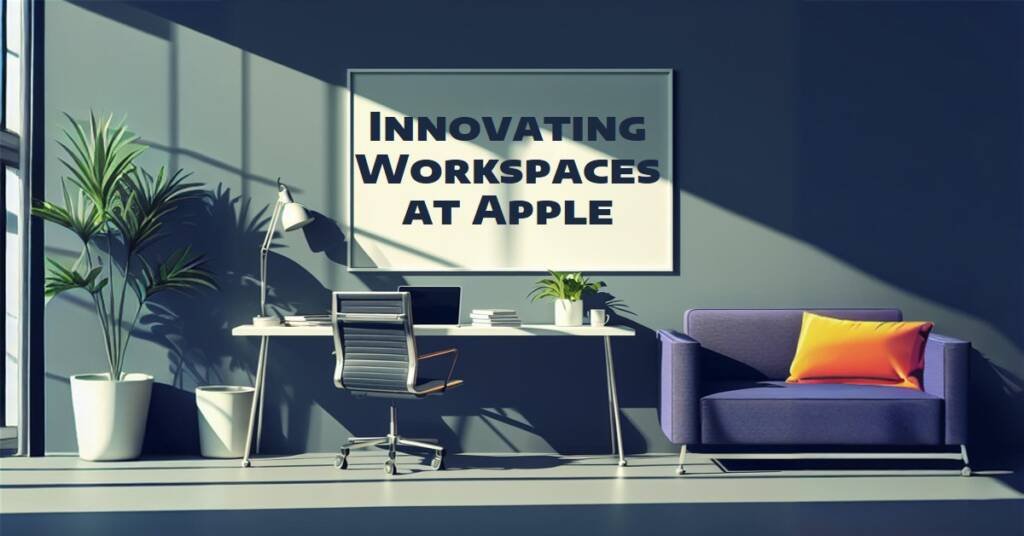
The design of the Apple Campus reflects a commitment to fostering collaboration among its employees. At the heart of this initiative is the implementation of open office layouts, which are strategically designed to encourage communication and idea-sharing. By eliminating traditional cubicles and private offices, Apple creates an environment where employees are more likely to interact spontaneously. This layout facilitates not only casual conversations but also the sharing of innovative ideas, leading to increased productivity and creativity.
In addition to the open office concept, the Apple Campus incorporates various communal spaces that serve as hubs for teamwork and collaboration. These areas are equipped with comfortable seating arrangements, interactive technology, and creative amenities that inspire employees to engage with one another. Spaces such as lounges, meeting rooms, and outdoor areas provide employees with diverse environments to conduct brainstorming sessions, hold team discussions, or simply take a break while still being surrounded by their colleagues. This flexibility is integral to fostering a culture of collaboration and innovation.
The philosophy behind flexible working environments at Apple underscores the belief that creativity thrives when individuals have the freedom to choose how and where they work. This approach allows employees to adapt their workspaces to their personal needs and preferences, thereby enhancing job satisfaction. By promoting a dynamic atmosphere that shifts away from rigid work structures, Apple empowers its employees to collaborate effectively and drive innovative solutions. Overall, the thoughtful design of the Apple Campus exemplifies how strategic workspace planning can result in enhanced teamwork and a collaborative culture that ultimately fuels the next generation of technological advancements.
Technology Integration in the Workplace
The integration of advanced technology within the Apple Campus exemplifies a significant step towards enhancing workplace productivity and employee well-being. One of the cornerstones of this innovative environment is the implementation of smart building systems, designed to optimize energy efficiency and create a responsive workspace. These systems include automated lighting, climate control, and occupancy sensors, which together contribute to a more comfortable and sustainable work setting. By adjusting to the needs of employees in real-time, these technologies foster an atmosphere conducive to creativity and productivity.
Moreover, the Apple Campus employs integrated technology in its meeting rooms, revolutionizing how teams collaborate. Equipped with state-of-the-art audio-visual systems and video conferencing tools, these spaces enable seamless communication among team members, regardless of their physical location. The technology facilitates instant access to crucial resources, allowing employees to share insights and ideas effortlessly. By incorporating advanced presentation tools and interactive whiteboards, teams can engage in dynamic discussions, resulting in enhanced brainstorming sessions and project development.
Additionally, the campus emphasizes the importance of encouraging collaboration through various digital platforms. Tools such as cloud-based file sharing and instant messaging applications empower employees to communicate effectively and share information quickly. These resources not only make it easy to access necessary documents but also foster a culture of transparency and teamwork. This interconnected environment ultimately contributes to employee satisfaction, as individuals feel more supported and engaged in their work.
In summary, the integration of cutting-edge technology in the Apple Campus is integral to creating a modern workspace that prioritizes both productivity and well-being. Through smart building systems, innovative meeting rooms, and collaborative tools, Apple is setting a benchmark for future work environments, showcasing how technology can transform the employee experience.
Promoting Employee Well-Being
Apple Campus has been designed with a strong emphasis on promoting employee well-being, recognizing that a holistic approach to wellness can enhance productivity and overall job satisfaction. Central to this initiative are the state-of-the-art fitness centers that are readily accessible to employees. These facilities not only offer a variety of exercise equipment but also include classes tailored to different fitness levels, encouraging staff to prioritize their physical health during the workday.
In addition to physical fitness, Apple Campus offers an array of wellness programs aimed at fostering mental and emotional health. These programs encompass workshops on stress management, mindfulness training, and nutrition counseling, contributing to a comprehensive well-being philosophy. Such initiatives are essential in helping employees foster resilience and cope with workplace challenges, ultimately resulting in improved morale and work performance.
Moreover, the campus design reflects a thoughtful consideration of relaxation and mindfulness spaces. Employees have access to tranquil areas equipped with natural elements, such as plants and water features, providing a serene environment for reflection or a quick reprieve from busy schedules. These allocated spaces encourage workers to take necessary breaks, allowing individuals to recharge mentally, which is crucial in maintaining a balanced work-life equilibrium.
The integration of such features signifies Apple’s commitment to creating a supportive atmosphere where employees can thrive. By investing in well-being-centric facilities and programs, Apple Campus not only enhances employee satisfaction but also cultivates a positive corporate culture. This, in turn, drives innovation and collaboration, as employees feel more valued and engaged in their work. Through these concerted efforts, Apple clearly demonstrates the importance of employee well-being as a cornerstone of their operational philosophy.
The Role of Nature in Workspace Design
The integration of nature within workspace design has gained significant traction in recent years, particularly at the Apple Campus, where it exemplifies how biophilic design principles can create a harmonious and inspiring workplace. The conscious effort to incorporate green spaces and outdoor areas into the fabric of the campus not only enhances the aesthetic appeal but also contributes to employee well-being and productivity. By blending the natural environment with architectural elements, Apple aims to foster a sense of connection to nature, which is fundamental for cultivating a positive work atmosphere.
One of the standout features of the Apple Campus is its extensive green spaces that seamlessly flow throughout the property. These areas include native plant gardens, shaded pathways, and open lawns, allowing employees to enjoy the outdoors during their breaks or while collaborating on projects. Research has suggested that access to nature can reduce stress levels, boost creativity, and enhance overall job satisfaction. Consequently, the design choices at Apple underscore the impact that greenery can have on employee morale and performance.
Furthermore, the incorporation of biophilic design principles extends beyond mere visuals. Natural light is maximized through large windows, enabling employees to benefit from daylight, which is known to regulate mood and circadian rhythms. Additionally, the use of materials such as wood, stone, and water evokes a sense of place that resonates with the natural world. These elements contribute to an immersive environment that encourages innovation and teamwork.
In essence, the Apple Campus serves as a testament to the transformative power of nature in workspace design. By prioritizing strategies that embrace green spaces and biophilic concepts, the campus is not only shaping the future of workspaces but also setting a benchmark for other organizations seeking to enhance employee well-being through thoughtful environmental integration.
Future of Workspaces: Apple’s Vision
Apple has consistently demonstrated a forward-thinking approach to workspace design, and the innovations at Apple Campus serve as a testament to its vision for the future of work. The design philosophy underlying this iconic campus fosters collaboration, creativity, and productivity, mirroring broader trends that redefine how workspaces function in an increasingly digital world. By prioritizing openness and accessibility, Apple is not only setting a new standard for its own employees but is also influencing various industries and businesses globally.
A key element of Apple’s vision is the integration of technology into the workspace. The seamless incorporation of smart tools and collaborative platforms encourages teamwork and innovation among employees. This trend signifies a shift away from traditional office layouts, which often hinder communication and flexibility. Instead, Apple’s Campus promotes shared spaces, where multiple teams can convene, ideate, and collaborate in real time, leading to enhanced problem-solving and creativity. Such a layout emphasizes the importance of community in the workplace, allowing spontaneous interactions that can spark new ideas.
Furthermore, Apple is also pioneering sustainability in its workspace designs. With environmentally friendly materials and energy-efficient systems, the campus aligns with the current emphasis on green practices in business. This commitment to sustainability not only reflects corporate responsibility but also caters to the growing demand from employees for workplaces that prioritize ecological impacts. Companies looking to evolve their workspace strategies can draw inspiration from Apple’s innovative initiatives, encouraging them to embrace sustainability as a core value.
As organizations navigate the evolving landscape of work, Apple’s approach exemplifies key trends that are shaping the future of workspaces, integrating technology, promoting collaboration, and championing sustainability. These trends are critical factors that will influence workspace designs, not just at Apple, but across all sectors and industries.
Conclusion
The Apple Campus stands as a compelling model for the evolution of modern workspaces, demonstrating how innovative design, cutting-edge technology, and a commitment to employee wellness can coalesce to create an ideal working environment. As discussed throughout the article, the architectural elements of the campus, particularly its emphasis on open spaces and natural light, foster collaboration and creativity among employees, paving the way for enhanced productivity. This design philosophy is not merely aesthetic; it also seeks to reflect a deeper understanding of employee needs in an ever-changing work landscape.
Furthermore, the integration of technology within the campus exemplifies how digital tools can enhance workflows and communication. By incorporating advanced technological resources across its facilities, Apple illustrates the potential for a more interconnected and efficient workplace. These tools, ranging from state-of-the-art communication systems to smart building features, enable employees to perform their tasks with greater ease and efficiency, ultimately leading to improved outcomes.
Moreover, Apple’s focus on wellness through the layout and services provided on campus highlights the increasing recognition of mental and physical health as critical components of employee satisfaction. By facilitating access to outdoor spaces, fitness facilities, and wellness programs, the campus encourages employees to prioritize their well-being, reinforcing the idea that a thriving workforce is integral to a company’s success.
In sum, the innovations spearheaded at the Apple Campus offer valuable insights into the future of work environments. By prioritizing design, technology, and wellness, other organizations can construct effective workspaces that not only attract top talent but also retain and nurture them. Ultimately, as companies continue to navigate the complexities of a modern workforce, the principles established by Apple may serve as an essential reference point for cultivating an engaging and productive professional atmosphere.