Table of Contents
- Introduction to Building as a Concept
- The Historical Context of Building
- Barclay: An Overview of the Company
- Modern Building Practices: Innovation and Sustainability
- Barclay’s Approach to Design and Architecture
- Barclay’s Impact on Community Development
- Challenges in the Construction Industry
- Future Trends in Building: A Look Ahead
- Conclusion: The Significance of Building as a Concept
Introduction to Building as a Concept
The term “building” extends far beyond the simplistic notion of erecting structures. It encompasses a multifaceted array of disciplines that include architecture, urban planning, engineering, and community development. Each of these fields contributes uniquely to the overarching concept of building, highlighting its significance in myriad contexts. A deeper understanding of building as a concept reveals the interconnectedness of these domains and their collective impact on our environments.
Architecture represents the artistic and functional aspects of building, shaping the physical spaces we inhabit. Architects take into account not only the aesthetic appeal of structures but also their usability and integration into the surrounding environment. This alignment between design and functionality leads to spaces that foster both creativity and convenience, demonstrating that building is not solely an engineering endeavor but rather an art form that serves human needs.
Urban planning further amplifies this concept, addressing how structures interact within broader cityscapes. Planning considers various factors such as population density, transportation networks, and community resources. Effective urban planning strives to create cohesive communities by balancing residential, commercial, and recreational areas, ensuring that buildings serve the public interest. In this context, building becomes an essential instrument for fostering social interaction and improving quality of life.
Engineering complements these disciplines by focusing on the technical constraints and innovations that make building feasible. Engineers play a crucial role in ensuring structures are safe, reliable, and sustainable. Their expertise in materials, structural integrity, and environmental impact makes them essential contributors to the contemporary discourse on building. Additionally, community development initiatives further illustrate how building as a concept involves collaboration and engagement with local populations to create spaces that reflect their needs and aspirations.
In summary, understanding building as a concept reveals it to be a dynamic interplay among various fields. This comprehensive perspective establishes a foundation for exploring the implications of building in modern society, making it essential to grasp its multifaceted nature as we delve deeper into the topic.
The Historical Context of Building
The evolution of building practices is a fascinating journey that reflects the interplay between culture, technology, and societal needs. Beginning with ancient civilizations, architecture was often a direct response to the environment and human necessity. The earliest structures, such as huts and dwellings made from mud and grass, were primarily functional, providing shelter from the elements. As societies developed, the concept of building began to represent more than mere survival; it became a medium for expressing identity and social status.
In ancient Egypt, monumental structures like the pyramids showcased advanced engineering techniques and a deep reverence for the afterlife. This period marked a significant milestone in the understanding of spatial organization and durability in building designs. The Romans further advanced architectural concepts through innovations such as the arch, vault, and concrete. These techniques allowed for the construction of imposing structures like aqueducts and amphitheaters, which not only served practical purposes but symbolized the power and reach of the Roman Empire.
As time progressed into the Middle Ages, building as a concept took on new dimensions with the rise of Gothic architecture. The cathedrals of this era, characterized by their pointed arches and soaring spires, represented the socio-religious dynamics of the time. The emphasis on verticality and light in these structures symbolized humanity’s aspiration towards the divine, illustrating how cultural elements can influence architectural forms.
The Renaissance marked a return to classical influences, leading to a resurgence of symmetry and proportion in building design. This period laid the groundwork for the architectural movements that followed, including Baroque and Neoclassicism, which continued to evolve shapes and structural integrity. With the Industrial Revolution, the advent of new materials and technologies paved the way for skyscrapers and modern constructions, dramatically transforming urban landscapes.
In conclusion, the historical context of building reveals a complex interplay between human needs and creativity. From rudimentary shelters to sophisticated skyscrapers, the concept of building continues to evolve, reflecting the changing landscapes of society throughout the ages.
Barclay: An Overview of the Company
Established as a cornerstone in the building industry, Barclay has carved out a distinguished reputation since its inception. Founded in the early 20th century, the company initially focused on a small range of construction projects, marking the beginning of its commitment to quality and innovation. Over the decades, Barclay expanded its portfolio, embracing modern techniques and extensive architectural designs that resonate with contemporary aesthetics while maintaining functionality.
Barclay’s foundational principles are deeply embedded in its operational ethos. The company emphasizes sustainability, quality workmanship, and a client-centric approach, ensuring that every project aligns with the specific needs and aspirations of its diverse clientele. This dedication to customer satisfaction has enabled Barclay to foster long-standing relationships with clients and stakeholders across various sectors, including residential, commercial, and institutional building initiatives.
The mission of Barclay goes beyond merely constructing physical structures; it embodies the vision of transforming spaces into environments that enhance the quality of life. By integrating creative architectural solutions and sustainable practices, Barclay highlights the significance of building as a concept that encompasses both aesthetic appeal and environmental responsibility. This mission has also driven the company to invest in research and development to innovate building techniques and materials, thereby contributing to the evolving landscape of the construction industry.
Overall, Barclay not only exemplifies dedication to excellence in building but also serves as a pioneering model within the field. Understanding its journey, principles, and missions provides valuable insights into its influential role in shaping the future of architecture and construction. Thus, Barclay stands out as a significant entity that continually redefines the parameters of building as a concept, ensuring a legacy built on integrity and progress.
Modern Building Practices: Innovation and Sustainability
In recent years, the construction industry has witnessed significant transformations, largely driven by the concept of building as a dynamic and evolving practice. These advancements emphasize innovative techniques and sustainable methods that not only enhance efficiency but also address environmental concerns. Understanding modern building practices requires a focus on the materials used, the design principles adopted, and the technology implemented in construction processes.
One of the most notable changes in building practices is the growing emphasis on sustainable materials. Builders are increasingly turning to innovative options, such as recycled steel, bamboo, and reclaimed wood, which not only reduce waste but also mitigate the environmental impact associated with traditional materials. These alternatives help create structures that are not only aesthetically pleasing but also environmentally friendly, aligning with the overarching principle of sustainability in building as a concept.
Moreover, energy-efficient designs are becoming a hallmark of contemporary architecture. From passive solar design strategies that optimize natural light to advanced insulation technologies that minimize energy consumption, modern buildings are increasingly designed to be self-sustaining. Such designs not only contribute to lowering operational costs but also reflect a commitment to reducing carbon footprints.
The integration of smart technology in building projects further exemplifies innovation in the sector. Smart buildings, equipped with sensor-based systems, automate processes such as heating, cooling, and lighting to enhance energy efficiency. By collecting and analyzing data, these systems allow for real-time adjustments, leading to not just greater comfort but also more sustainable operation over time. Thus, building as a concept embraces technology that revolutionizes traditional methods, creating structures that respond intelligently to their environment.
Overall, the push for innovation and sustainability defines modern building practices today, presenting opportunities to construct environments that harmonize with nature while meeting the needs of society. This ongoing evolution encourages a more responsible and thoughtful approach to construction that prioritizes both human well-being and ecological health.
Barclay’s Approach to Design and Architecture
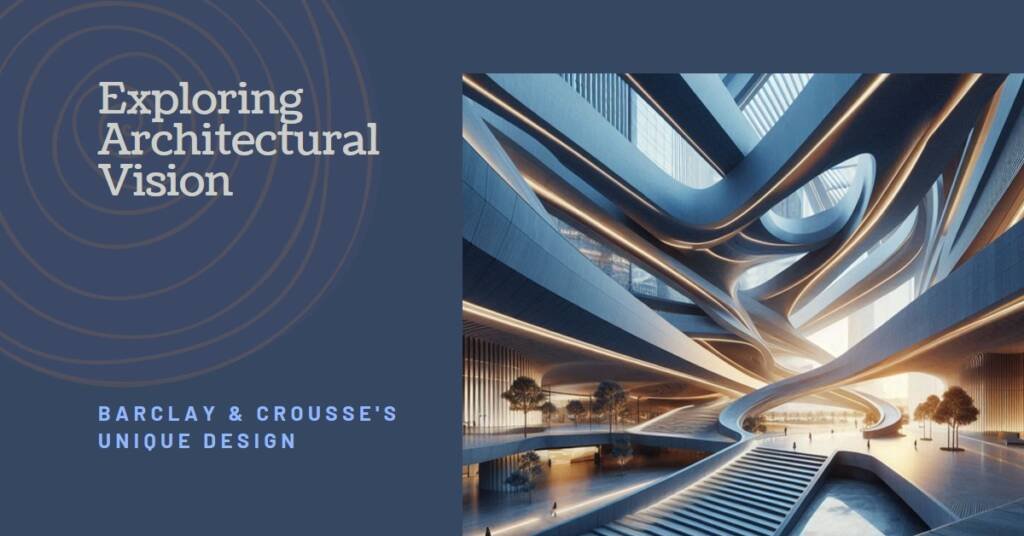
Barclay’s distinctive approach to architecture and design is rooted in a philosophy that emphasizes harmony between functionality, aesthetics, and environmental responsibility. Embracing the idea of building as a concept transcending mere structures, their design ethos focuses on creating spaces that are not only visually compelling but also enrich the lives of their users. This commitment is evident in various signature styles, each reflecting an integration of modernity and tradition, ensuring that each project is uniquely tailored to its context.
The firm’s notable projects, ranging from urban residential developments to expansive commercial spaces, showcase their versatility in addressing diverse client needs and expectations. A hallmark of Barclay’s design philosophy is the collaborative process they undertake with their clients. Engaging stakeholders throughout the design and construction phases ensures that the final outcomes resonate with the vision and aspirations of those who will inhabit and utilize the spaces. This synergy between client aspirations and the aesthetic values held by architects is essential in realizing the concept of building as an experience, rather than simply a physical structure.
Moreover, Barclay places a strong emphasis on environmental considerations within their designs. By integrating sustainable practices, they strive to minimize the ecological footprint of their projects while promoting the use of innovative materials and technologies. This approach not only reflects a growing trend within the industry but also signifies a deep commitment to social responsibility. They recognize that effective architecture must contribute to healthier environments, supporting community well-being and enhancing the relationship between occupants and their surroundings.
Through this multifaceted approach, Barclay remains at the forefront of architectural design, continuously exploring new ways to adapt and evolve their philosophy. In the realm of building as a concept, they effectively demonstrate how thoughtful design can forge a deeper connection between people and spaces, ultimately elevating the quality of life for users.
Barclay’s Impact on Community Development
Barclay has positioned itself as a pivotal player in community development through its innovative building projects that prioritize enhancing public spaces and fostering economic growth. The company recognizes that building as a concept extends beyond mere construction; it encompasses creating environments that encourage social interactions and improve the overall quality of life for residents and visitors alike. By focusing on these aspects, Barclay contributes to the transformation of urban landscapes into vibrant and functional hubs.
One of the primary ways Barclay positively impacts community development is by investing in the enhancement of public spaces. With well-designed parks, plazas, and recreational facilities, Barclay’s projects promote community engagement and serve as venues for social activities. Public spaces, when thoughtfully constructed, empower neighborhoods and encourage residents to partake in local events, strengthening their connections. Moreover, accessible and inviting areas foster a sense of belonging among residents, creating a supportive network that contributes to the community’s overall resilience.
Additionally, Barclay’s building initiatives are closely tied to economic growth. By developing commercial spaces and mixed-use buildings, the company catalyzes local economies. These developments not only provide job opportunities but also stimulate demand for goods and services, promoting entrepreneurial ventures within the community. This symbiotic relationship between local businesses and community development emphasizes the importance of integrating building initiatives with economic strategies that uplift residents.
Through its commitment to fostering social connections within urban environments, Barclay ensures that community needs are addressed at every stage of the building process. By collaborating with stakeholders, including local residents and organizations, Barclay designs projects that reflect the unique character of the neighborhoods they serve. This tailored approach enhances the communal bond and aligns building as a concept with genuine community aspirations.
Challenges in the Construction Industry
The construction industry is currently grappling with several challenges that significantly impact building practices and project timelines. One of the foremost issues is the labor shortage. The sector has experienced a workforce decline, attributed to an aging workforce and insufficient interest from younger generations. Skilled trades such as carpentry, plumbing, and electrical work have been particularly affected, leading to delays and increased labor costs. The reliance on a dwindling number of qualified workers poses a substantial hurdle for contractors aiming to complete projects on schedule.
In addition to labor shortages, rising material costs have emerged as a critical concern. Factors such as supply chain disruptions, increased demand, and geopolitical tensions have contributed to the volatility of prices for construction materials like lumber, steel, and concrete. Consequently, these inflationary pressures necessitate careful budget management and may force project stakeholders to reconsider design specifications, potentially compromising quality and sustainability.
Regulatory hurdles further complicate the building process within the construction industry. Stricter codes, permits, and zoning regulations can prolong project timelines and increase costs. Navigating through the complex web of local, state, and federal regulations requires extensive knowledge and can often lead to disputes, necessitating additional resources and time to reach compliance.
The impact of climate change represents yet another significant challenge. As weather patterns become less predictable, construction schedules may face interruptions due to extreme weather events. Moreover, transitioning toward sustainable building practices necessitates the adoption of innovative methods and materials, which can be both risky and costly for traditional builders.
Collectively, these challenges in the construction landscape need to be addressed effectively, as they directly influence the feasibility and success of building projects in today’s changing environment.
Future Trends in Building: A Look Ahead
The landscape of building as a concept is ever-evolving, influenced by advancements in technology, shifts in urban environments, and changing regulations. As we peer into the future of construction, several trends are emerging that will likely reshape how we conceptualize and undertake building projects.
One significant trend is the increasing integration of technology in the building sector. Innovations such as Building Information Modeling (BIM), 3D printing, and modular construction are streamlining processes and enhancing efficiency. These technologies allow for precise planning and execution, minimizing waste and reducing timelines. As companies like Barclay adopt these advanced methodologies, they stand to gain a competitive edge, positioning themselves as leaders in a rapidly changing industry.
Additionally, the urban landscape is continually transforming. There is a growing emphasis on sustainable and resilient building practices, which incorporate green materials and energy-efficient designs. As more cities prioritize sustainability efforts, the demand for eco-friendly building solutions will likely rise. This trend presents significant opportunities for construction firms to innovate and offer solutions that meet consumer and regulatory demands for environmentally responsible building practices.
The impact of policy changes also cannot be underestimated. Governments worldwide are beginning to enact legislation aimed at improving building safety standards, reducing carbon footprints, and encouraging affordable housing initiatives. Such policy shifts create an environment ripe for new building projects that align with stringent regulatory guidelines. It unlocks new opportunities for businesses engaged in the construction sector to explore diverse funding sources and partnerships to support their endeavors.
Overall, the future of building as a concept seems promising, as it evolves in response to technological advancements, rapidly changing urban landscapes, and progressive policy frameworks. Companies like Barclay are well-positioned to leverage these trends, driving innovation and contributing to a more sustainable future in construction.


Conclusion: The Significance of Building as a Concept
Throughout this blog post, we have explored the multifaceted nature of building as a concept, recognizing its importance not only in the physical act of construction but also in its broader implications for society and the environment. Building serves as a foundational act that shapes our surroundings, influencing not only the aesthetics of our communities but also their functionality and sustainability. Companies like Barclay exemplify the critical role that industry leaders play in advancing innovative building practices that address the challenges of modern urbanization.
The significance of building extends beyond the mere creation of structures; it encompasses a holistic approach to design that prioritizes sustainability, efficiency, and community well-being. As we delve deeper into the intricacies of architecture and urban planning, it becomes evident that the choices made during the building process have far-reaching consequences. From the materials selected to the methods employed, each decision contributes to the overall impact on the environment and societal fabric.
Moreover, as urban centers continue to grow, the need for thoughtful building practices has never been more pressing. Emphasizing sustainable construction techniques, promoting energy-efficient designs, and ensuring that the built environment is harmonious with its natural surroundings are essential considerations. In this light, companies like Barclay not only contribute to the development of contemporary structures but also set the standard for responsible building practices that future generations can rely upon.
In conclusion, the discourse surrounding building as a concept is profoundly significant in shaping the future of our communities. By fostering an awareness of the interconnectedness of construction, environment, and society, we encourage a collective responsibility toward sustainable development. As we continue to navigate the challenges of our built environments, it is imperative that we reflect on the roles individuals and enterprises play in promoting thoughtful building practices.