Table of Contents
- Introduction to The Line
- Tarek Qaddumi: Visionary Architect Behind The Line
- The Concept of a Three-Dimensional City
- Sustainability Features of The Line
- Technological Innovations in The Line
- Community and Lifestyle in The Line
- Economic Impact of The Line
- Challenges and Criticisms of The Line
- Future of Urban Living: Lessons from The Line
Introduction to The Line
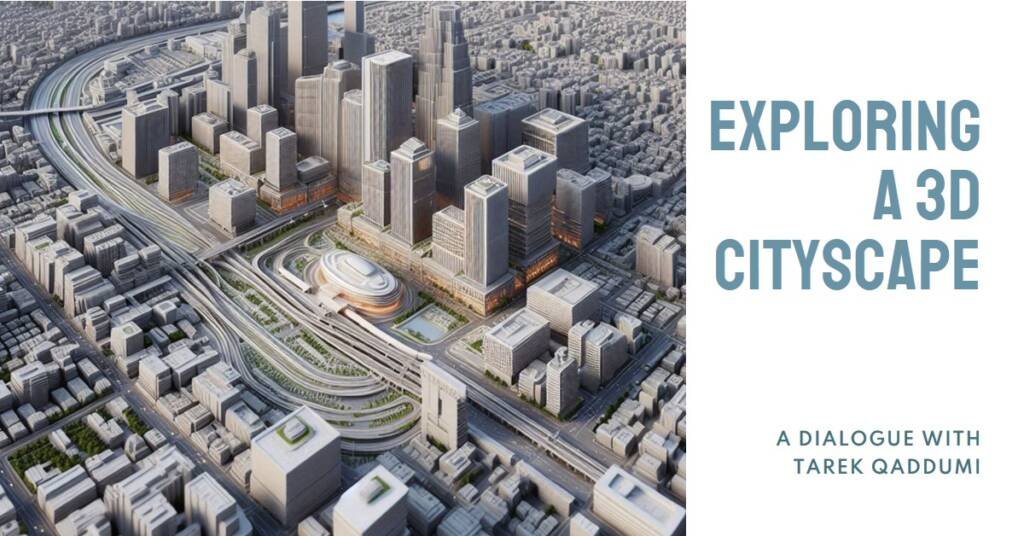
‘The Line’ is a pioneering urban development initiative located in Saudi Arabia, representing a transformative approach to city planning and sustainability. Conceived within the framework of NEOM, a larger project aimed at diversifying Saudi Arabia’s economy and promoting advanced living standards, The Line seeks to redefine the concept of urban living in the 21st century. The vision behind The Line is to create a linear city that stretches over 170 kilometers, designed to house nine million residents in a compact, efficient layout that minimizes the reliance on traditional vehicular transport.
At its inception, the project’s main objective was not merely to provide housing but to create a vibrant environment that integrates nature, technology, and urban life seamlessly. The design of The Line is characterized by its zero-carbon footprint, aiming to produce minimal environmental impact while supporting a high quality of life for its residents. It incorporates smart technologies and renewable energy solutions, ensuring sustainability is at the forefront of its development. The project also emphasizes walkability, with essential services and amenities located within a five-minute walk for residents, thereby promoting healthier lifestyles and reducing travel time.
The Line stands out as a revolutionary concept that challenges conventional urban models, particularly those that contribute to increased traffic congestion and environmental degradation. By positioning itself as a linear city, The Line facilitates direct access to nature through its unique architecture and landscaping, fostering a connection between people and their environment. This innovative urban project has attracted significant global attention, stirring discourse on the future of cities as adaptable, sustainable entities that respond to the needs and aspirations of their inhabitants.
Tarek Qaddumi: Visionary Architect Behind The Line
Tarek Qaddumi stands at the forefront of modern architecture, known for his innovative and sustainable design philosophy. His extensive career spans over two decades during which he has made significant contributions to prominent architectural projects globally. With a degree from a top-tier institution and a wealth of experience, Qaddumi has cultivated a unique vision that combines artistry, functionality, and environmental stewardship.
Throughout his career, Qaddumi has embraced the challenges of contemporary urban development, particularly focusing on the integration of nature within architectural spaces. His design approach often prioritizes the use of sustainable materials and cutting-edge technologies, ensuring that structures are not only visually striking but also environmentally responsible. This commitment to sustainability reflects a deeper understanding of the impact architecture has on urban ecosystems and the overall well-being of residents.
The Line, which is part of Saudi Arabia’s NEOM project, exemplifies Qaddumi’s forward-thinking ideology. He envisions this three-dimensional city as a response to the pressing demands of urbanization and climate change. By layering residential, commercial, and recreational spaces vertically, The Line aims to minimize land consumption while promoting walkability and connectivity among its inhabitants. Such an innovative approach challenges traditional city layouts, reflecting Qaddumi’s desire to redefine urban living for future generations.
Moreover, Qaddumi’s designs are heavily influenced by a desire to foster community engagement. His belief is that urban spaces should not only serve as functional habitats but also nurture social interactions and enhance overall quality of life. This philosophy is evident in The Line, where communal areas are interspersed throughout the structure, encouraging inhabitants to connect with nature and one another.
Through his visionary leadership, Tarek Qaddumi is setting a new standard in architecture that not only focuses on aesthetic appeal but also pioneers sustainable urban living practices, making significant strides towards a more harmonious coexistence with the environment.
The Concept of a Three-Dimensional City
The concept of a three-dimensional city reshapes our understanding of urban development by emphasizing vertical growth over traditional horizontal expansion. This paradigm shift recognizes that as populations increase and land becomes scarce, the need for more efficient use of space becomes paramount. Building cities in three dimensions allows urban planners, architects, and communities to reimagine how we inhabit our spaces, creating more sustainable and livable environments.
In a three-dimensional city, various layers of infrastructure, residential units, and communal spaces are integrated vertically. This contrasts sharply with the conventional one-dimensional urban sprawl characterized by expansive land use. The three-dimensional approach not only optimizes the utilization of available land but also enhances accessibility. By developing upwards, cities can create diverse living and working environments within a smaller footprint, leading to reduced commuting times and promoting a sense of community through proximity.
Additionally, vertical city designs significantly contribute to environmental sustainability. Traditional urban layouts often require extensive transportation networks and extensive land clearing, leading to increased carbon footprints. In contrast, three-dimensional cities can minimize the need for cars by creating walkable environments with essential services available within close range. Mixed-use developments can thrive in these vertical spaces, fostering economic vibrancy while reducing environmental impact through lower energy consumption.
Moreover, the three-dimensional city concept encourages innovative green architecture techniques, such as rooftop gardens and vertical parks, which help mitigate urban heat effects and improve air quality. By incorporating natural elements into the design, cities not only provide residents with essential recreational spaces but also support biodiversity within urban boundaries. The potential of these vertical spaces is vast, paving the way for a future where cities are not just ground-level constructs, but layered ecosystems that promote harmony between urban living and the natural environment.
Sustainability Features of The Line
The Line, a pioneering urban development initiative, places a strong emphasis on sustainability, positioning itself as a model for future cities. At the heart of its design are renewable energy sources that aim to power the entire city without contributing to carbon emissions. Solar panels and wind turbines are strategically integrated throughout the structure, harnessing nature’s elements to produce clean energy. This approach not only supports the operational needs of the city but also aligns with global efforts to combat climate change and reduce carbon footprints.
Effective waste management systems are another cornerstone of The Line’s sustainability framework. The city is designed to minimize waste generation through advanced recycling programs and composting initiatives. Waste materials are treated within the city itself, promoting a circular economy. This holistic approach ensures that resources are used efficiently and that landfill use is significantly reduced. In this context, waste is not merely discarded; it is seen as a valuable resource for creating new products, thus furthering sustainability goals.
Water conservation techniques are equally pivotal in achieving The Line’s vision of an eco-friendly city. Innovative designs such as rainwater harvesting systems and greywater recycling are implemented to maximize water efficiency. These systems not only reduce the city’s reliance on external water supplies but also promote responsible water usage among residents. Such measures are essential in arid regions, where water scarcity is a pressing concern.
Lastly, sustainable transportation methods feature prominently within The Line, enhancing its low-carbon footprint. The development prioritizes public transport options, such as electric vehicles and bike-sharing systems, which facilitate mobility while minimizing the reliance on fossil fuels. By integrating walkable spaces and efficient transit solutions, The Line aims to create a cohesive environment where residents can embrace a sustainable lifestyle.
Technological Innovations in The Line
The Line, a pioneering urban development project in Saudi Arabia, stands at the frontier of technological innovations aimed at transforming the urban living experience. With the integration of smart city technologies, this ambitious project seeks to create a sustainable, efficient, and responsive environment for its future residents. Central to this vision are systems powered by Artificial Intelligence (AI) and the Internet of Things (IoT), which will work in synergy to enhance the overall quality of life.
AI plays a crucial role in optimizing various city functions, from resource management to public safety. Smart algorithms will analyze data collected from the city’s sensors, allowing for real-time adjustments to services such as energy consumption and waste management. This level of responsiveness ensures that the needs of residents are met promptly, contributing to a seamless urban experience.
Complementing AI, the IoT infrastructure will facilitate countless interconnected devices across The Line. These devices will collect and transmit data related to traffic dynamics, environmental conditions, and community engagement. For instance, smart transportation systems will utilize sensor data to provide efficient and coordinated transit options. This integration promises to reduce congestion, improve air quality, and enhance accessibility to essential services.
Moreover, The Line envisions advanced transportation solutions, including high-speed rail and autonomous vehicles, designed to minimize the reliance on traditional fossil fuel-powered transport. With zero cars within its boundaries, residents can navigate through easily accessible transit hubs, which empowers them to move sustainably while enjoying various amenities and green spaces.
The incorporation of these innovative technologies reflects an understanding of urban living’s complexities and aims to create a holistic environment where residents can thrive. As The Line continues to evolve, the commitment to leveraging technological advancements will undoubtedly shape the future of urban development, fostering a model that other cities may aspire to replicate.
Community and Lifestyle in The Line
The Line, a revolutionary urban development, is designed with a fundamental focus on fostering community and enhancing lifestyle for its residents. As a linear city extending over 170 kilometers, The Line emphasizes social interactions, aiming to create a vibrant environment where relationships thrive. One of the key elements of this design is the integration of inviting public spaces that encourage residents to engage with one another. Parks, plazas, and communal areas will be thoughtfully scattered throughout the city, providing opportunities for gatherings and recreational activities.
In addition to outdoor areas, The Line will offer various cultural amenities that contribute to an enriched lifestyle. The incorporation of arts, education, and wellness centers aims to create a balanced urban life that caters to diverse interests. By prioritizing access to cultural experiences, The Line seeks to cultivate a strong sense of community identity among its residents. This approach is particularly vital in promoting inclusivity, ensuring that every individual feels a part of the community, regardless of their background or abilities.
Furthermore, the thoughtful design of The Line will prioritize accessibility in urban living. A seamless transportation network and pedestrian-friendly walkways will guarantee that all amenities are easily reachable, thereby facilitating social interactions and reducing isolation. Additionally, the city’s infrastructure will support diverse housing options, allowing residents from different walks of life to coexist in harmony.
The Line is not merely an architectural achievement; it embodies a vision for a community that values connectivity and mutual support. Through its well-planned designs and commitment to inclusivity, The Line aspires to redefine urban living, making it a model for future cities that prioritize both lifestyle and community engagement.
Economic Impact of The Line
The Line, an ambitious urban development project within Saudi Arabia’s NEOM initiative, is poised to significantly impact the economic landscape, both locally and nationally. At its core, this futuristic model of a linear city is designed to facilitate sustainable living while promoting economic diversification in a country traditionally reliant on oil revenues. One of the primary economic implications of The Line is the potential for substantial job creation. As construction progresses, it is expected to generate thousands of employment opportunities, ranging from skilled labor in the building phase to professional roles in technology, sustainability, and urban management once the city becomes operational.
Furthermore, The Line opens up a plethora of investment opportunities for both domestic and international stakeholders. Financial analysts project that the establishment of such an innovative urban environment will attract a variety of industries, including green technology, digital services, and tourism. By leveraging these sectors, The Line aims to stimulate economic growth, fostering an ecosystem that supports entrepreneurship and innovation. Moreover, the strategic partnerships forged with global leaders in various fields are likely to enhance the project’s viability and appeal.
The anticipated economic influence of The Line extends beyond immediate job creation and investments. The project aims to improve the overall quality of life for residents, leading to increased consumer spending and a vibrant local economy. As more businesses emerge to meet the needs of a growing population, the economic climate in the surrounding regions is expected to thrive. The proactive engagement of public and private sectors, along with collaborations with international entities, will further enhance the potential of The Line as a catalyst for economic transformation in Saudi Arabia.
Challenges and Criticisms of The Line
The Line project, an ambitious initiative within Saudi Arabia’s NEOM development, has garnered both attention and skepticism since its announcement. One of the primary challenges faced by The Line is its feasibility, particularly in terms of engineering and infrastructure. Critics argue that creating a linear city spanning 170 kilometers, with a design that vertically integrates urban living, requires unprecedented advancements in construction technology. Questions arise concerning the ability to not only build but also maintain such an extensive, multi-layered metropolis, given the complexities involved in logistics, utilities, and transportation.
Another significant concern pertains to the environmental impact of The Line. The project’s intent to preserve 95% of the surrounding nature has led to skepticism among environmentalists. Critics point out that vast construction activities, while aiming for minimal land disturbance, may still have unmitigated effects on local ecosystems, wildlife, and the climate. Additionally, there is apprehension regarding the reliance on renewable energy sources for the development, as the efficiency and sustainability of such resources in large-scale operations remain contentious topics.
Social displacement presents yet another layer of complexity. As plans for The Line progress, local communities and stakeholders have expressed fears of being marginalized or relocated as development advances. Opponents argue that, while the vision prioritizes a futuristic urban form, it may inadvertently impact the lives of people currently inhabiting the regions earmarked for transformation. Balancing the aspirations of The Line with the rights and welfare of local populations poses a daunting challenge for project leaders.
In response to these concerns, the project team has publicly acknowledged the criticisms and is actively seeking engagement with experts to mitigate the highlighted issues. Their approach includes robust feasibility studies, environmental assessments, and inclusive planning processes that aim to minimize adverse consequences while maximizing benefits for both the environment and communities involved. This multifaceted strategy seeks to ensure that The Line doesn’t just represent a monumental architectural feat but also a sustainable model for future urban development.

Future of Urban Living: Lessons from The Line
The ambitious project known as The Line, emerging from Saudi Arabia’s NEOM initiative, represents a significant shift in urban living and planning paradigms. As a linear city stretching for 170 kilometers, The Line challenges conventional concepts of urban design, presenting a unique case study for future developments worldwide. The innovative integration of nature and technology within this elongated structure offers vital lessons that can inform contemporary urban planning.
At the heart of The Line’s design is the commitment to sustainability and environmental respect. Urban planners are encouraged to reconsider how cities can be constructed in harmony with their surrounding ecosystems. This groundbreaking approach suggests that future urban locations can prioritize green spaces, integrate renewable energy sources, and reduce carbon footprints simply through smarter geographic orientations and resource management. The design opts for minimal land use, promoting vertical living and thus reducing dependence on vehicular transportation. Such considerations could reshape new urban centers globally, influencing how future cities meet the demands of growing populations.
Moreover, social inclusivity is a cornerstone of The Line’s philosophy. The plan fosters a lifestyle that reduces proximity to essential services and enhances community living without the constraints of traditional urban layouts. By decentralizing amenities and providing a structure that encourages interaction among residents, The Line sets a precedent for future city designs. Urban developers can take cues from this model to create environments that support interaction, diversity, and social well-being.
In conclusion, the lessons extracted from The Line can be pivotal for cities worldwide. By emphasizing sustainability, innovative design, and community-focused living, the project lays a groundwork that could redefine urban living in the years to come. As cities continue to grow and evolve, adopting these principles could facilitate the emergence of more connected and environmentally conscious urban spaces globally.