Table of Contents
- Introduction to Central Park Tower
- Architectural Marvel: Design and Structure
- Location and Surroundings: The Heart of Manhattan
- Luxury Living: Interiors and Amenities
- Sustainability in Urban Development
- Cultural Significance and Community Impact
- Economic Aspects: Investment and Value
- Challenges and Controversies
- Conclusion: The Future of Urban Living
Introduction to Central Park Tower
Central Park Tower stands as an emblem of modern luxury and architectural innovation, defining the skyline of New York City as the tallest residential building in the Western Hemisphere. Situated at 217 West 57th Street, this iconic structure reaches an impressive height of 1,550 feet, making it not only a feat of engineering but also a symbol of the ambitions and aspirations of urban living. The building’s location provides residents with unparalleled views of Central Park, effectively merging the beauty of nature with the sophistication of a contemporary urban lifestyle.
Designed by the renowned architecture firm, Adrian Smith + Gordon Gill Architecture, Central Park Tower showcases a unique blend of innovative design and timeless elegance. Its distinctive glass façade reflects the dynamic nature of the surrounding urban environment while also enhancing the natural light that floods the interiors. The architectural approach prioritizes both aesthetics and functionality, creating homes that offer the utmost comfort and a seamless connection to the vibrant city around them.
Beyond its striking exterior, Central Park Tower is characterized by its luxurious amenities, including a spectacular private lounge, an expansive outdoor terrace, and world-class fitness facilities. These unparalleled offerings cater to a discerning clientele seeking a lifestyle that is both opulent and convenient. Residents enjoy not only a premier location but also an array of exclusive services that elevate their living experience to new heights. The convergence of exceptional architectural design, exquisite modern living, and breathtaking views establishes Central Park Tower as a pinnacle of urban verticality, representing a new era in New York’s residential landscape.
Architectural Marvel: Design and Structure
The Central Park Tower, a significant landmark situated on Billionaires’ Row in New York City, exemplifies the pinnacle of modern architectural achievement. Designed by the renowned firm Adrian Smith + Gordon Gill Architecture, this towering structure soars to an impressive height of 1,550 feet, making it the tallest residential building in the Western Hemisphere. The building’s sleek glass façade not only enhances its aesthetic appeal but also contributes to its functionality, reflecting the vibrant urban environment of Manhattan.
The innovative engineering behind Central Park Tower centers on its ability to withstand the unique challenges posed by its height. The structural framework utilizes a reinforced concrete core, paired with a series of steel elements that provide both stability and flexibility. This combination allows the building to perform effectively against wind loads, ensuring comfort and safety for its residents. Additionally, the incorporation of an advanced curtain wall system minimizes heat loss while maximizing natural light, presenting an environmentally conscious approach to urban skyscraper design.
Beyond its technical prowess, the architectural vision for Central Park Tower is rooted in the idea of vertical living, embodying the modern urban lifestyle. The architects drew inspiration from the surrounding park and skyline, aiming to create a harmonious blend between nature and urbanity. The building features expansive windows that offer stunning views of Central Park and the expansive cityscape, fostering a connection to the outdoors. This emphasis on sightlines and light means that every unit can experience a unique perspective of New York City’s iconic vistas, highlighting how design can enhance urban living.
In essence, Central Park Tower stands as a testament to the evolution of urban design, showcasing not only advanced engineering but also a commitment to creating a landmark that resonates with its environment and occupants alike.
Location and Surroundings: The Heart of Manhattan
Central Park Tower is situated in a prime location within Midtown Manhattan, making it one of the most coveted addresses in New York City. Its proximity to Central Park, a sprawling oasis in the midst of the urban landscape, offers residents unparalleled access to green space for relaxation, recreation, and cultural events. The iconic park serves as a backdrop and an extension of the living experience for those residing in the tower, providing a perfect escape from the bustling city life.
The immediate surroundings of Central Park Tower also boast a rich array of cultural institutions. World-renowned galleries, theaters, and museums such as the Museum of Modern Art and the American Museum of Natural History are within easy reach. These institutions not only enhance the cultural fabric of the area but also provide residents with endless opportunities for art and educational enrichment. This accessibility to high-caliber cultural experiences underscores the tower’s appeal to those who value both leisure and education.
Furthermore, the luxury shopping venues that line the neighboring streets present an additional draw for potential residents. High-end retail brands and fine dining establishments are just moments away, contributing to the upscale lifestyle that Central Park Tower embodies. This blend of entertainment, shopping, and dining options elevates the overall living experience and enhances property values in the area. Accessibility to such an array of amenities ensures that residents can enjoy a lifestyle that is both vibrant and convenient.
In conclusion, the location of Central Park Tower in the heart of Manhattan significantly enhances the living experience for its residents. Its close proximity to Central Park, cultural institutions, and luxury shopping not only enriches daily life but also boosts the property value, making it an incredibly desirable place to call home.
Luxury Living: Interiors and Amenities
Central Park Tower epitomizes luxury living, characterized by its meticulously crafted interiors and an array of exclusive amenities that redefine urban residence. Each residence within this iconic structure features opulent finishes, reflectively showcasing the highest standards of craftsmanship. From elegant hardwood flooring to designer kitchen installations, every detail has been thoughtfully considered to enhance the aesthetic appeal and functionality of each space. The expansive layouts allow for a seamless transition between rooms, providing homeowners with an airy and sophisticated environment that is both inviting and impressive.
The design elements incorporated into the residences include fixtures and appliances from prestigious brands, ensuring that both style and utility are at the forefront of the living experience. With floor-to-ceiling windows, residents are treated to breathtaking views of Central Park and the dynamic cityscape, fostering a sense of connection between luxurious indoor living and the vibrant exterior world.
Beyond the individual residences, Central Park Tower offers an impressive suite of amenities that cater to both relaxation and recreation. The private club is a hallmark of sophistication, designed for residents to unwind or socialize in an exclusive setting. For those seeking physical fitness, the state-of-the-art fitness center provides advanced equipment and space for various workouts, while the expansive swimming pool offers a serene environment for relaxation and leisure. Additionally, the on-site spa presents a perfect escape where residents can rejuvenate amidst a luxurious ambiance.
These carefully curated amenities, alongside the sublime interiors, establish Central Park Tower as not only a residence but also a lifestyle choice that emphasizes comfort, elegance, and convenience in the heart of the city.
Sustainability in Urban Development
As urban centers continue to grow and evolve, the need for sustainable building practices has become increasingly critical. Central Park Tower stands as a testament to this shift, employing innovative techniques and strategies that prioritize environmental responsibility without compromising aesthetic or functional integrity. One of the defining features of this iconic skyscraper is its commitment to energy efficiency, which incorporates advanced systems designed to minimize energy consumption and reduce overall carbon footprints. This focus extends beyond mere compliance with regulatory standards; it embodies a proactive approach to creating a sustainable urban environment.
Central Park Tower has integrated energy-efficient technologies throughout its infrastructure. For instance, the building utilizes high-performance glazing systems that effectively regulate temperature, thereby reducing reliance on artificial heating and cooling mechanisms. The innovative design includes energy-efficient lighting systems and smart building technologies that automatically adjust energy use based on occupancy and time of day. By embracing these advancements, Central Park Tower not only enhances the comfort of its occupants but also contributes to a more sustainable future for urban living.
Additionally, the choice of materials in the construction of Central Park Tower reflects a commitment to sustainability. The building incorporates green building materials, which are sourced in an environmentally conscious manner and are designed to reduce waste and lower environmental impact. This meticulous selection process is pivotal in underpinning the building’s sustainability framework.
Central Park Tower’s impressive LEED certification further reinforces its role as a model for sustainable urban development. This certification signifies that the building has met rigorous standards set forth by the U.S. Green Building Council, addressing key aspects such as sustainable site development, water efficiency, and energy optimization. The achievements of Central Park Tower highlight an essential aspect of modern architecture, emphasizing that environmental consciousness can coexist seamlessly with urban advancements.
Cultural Significance and Community Impact
Central Park Tower, standing majestically at the western edge of Central Park, is more than just an architectural marvel; it symbolizes the evolution of urban living in New York City. As the tallest residential building in the world, its stature significantly contributes to the iconic skyline of Manhattan, reinforcing New York’s reputation as a global capital. Beyond its physical presence, Central Park Tower plays a pivotal role in enhancing the cultural tapestry of the city and its immediate community.
The location of Central Park Tower allows for a unique blend of luxury urban living with the tranquil ambiance of Central Park, offering residents and visitors alike a diverse range of experiences. This juxtaposition inevitably fosters a sense of belonging and promotes community engagement, drawing people from various walks of life to its vicinity. Community-oriented initiatives, such as collaborations with local artists or hosting public events, serve to strengthen these connections further, ensuring that the tower does not simply exist as an isolated luxury but rather as a vibrant part of the community.
Additionally, the arrival of Central Park Tower has sparked revitalization efforts in the surrounding neighborhood. The influx of new businesses, increased foot traffic, and enhanced public spaces create a dynamic environment conducive to interaction and participation. While developments often raise concerns over gentrification, Central Park Tower embodies a model where upscale living can coexist with community welfare. By prioritizing local engagement and supporting initiatives aimed at improving infrastructure and accessibility, the tower can positively influence both the cultural landscape and the socio-economic conditions of the area.
In essence, Central Park Tower stands as a testament to what urban verticality can achieve. It not only enhances the visual narrative of New York City but also serves as a catalyst for community development and cultural enrichment, fostering connections that weave the fabric of urban life tighter together.
Economic Aspects: Investment and Value
The Central Park Tower, an architectural marvel and the tallest residential building in the Western Hemisphere, significantly influences the real estate landscape of New York City. Its imposing stature and prime location have positioned it at the forefront of the luxury real estate market, driving both interest and investment potential. With starting prices for units exceeding $6 million, the tower sets a new benchmark in pricing trends within the city’s upscale housing sector. This pricing reflects not only the building’s scale and design but also the desirability of its location adjacent to Central Park, renowned for its scenic beauty and cultural significance.
Moreover, the emergence of Central Park Tower aligns with a notable trend towards vertical living, particularly in urban areas where land is scarce. As potential buyers increasingly seek luxury living that combines exclusivity with urban conveniences, the tower offers an enticing proposition. Its amenities, including expansive views, high-end finishes, and a range of residential services, appeal to affluent individuals looking for both a residence and a lifestyle. This trend gives investors confidence that property values are likely to appreciate, making Central Park Tower not only an attractive home but also a lucrative investment opportunity.
Furthermore, the tower’s development stimulates economic activity in its vicinity, contributing to job creation and bolstering surrounding businesses. The integration of commercial spaces within the building underscores its role as a driver of local economic growth. As luxury real estate continues to evolve in New York City, properties like Central Park Tower catalyze market dynamics, influencing both homebuyer decisions and investment strategies. In essence, the tower represents a pivotal shift in urban luxury living, reinforcing the potential for substantial returns on investment while enhancing the overall appeal of its neighborhood.
Challenges and Controversies
Central Park Tower, one of the most ambitious architectural projects in New York City, has not been without its share of challenges and controversies. The development faced significant financial hurdles, primarily stemming from the repercussions of the 2008 financial crisis. Investors and developers had to navigate a complex landscape marked by fluctuating real estate markets. Securing adequate funding proved a formidable task, as the project required a wealth of capital to bring the ambitious vision to fruition. These financial challenges forced the developers to adopt innovative financing strategies, which sometimes led to increased scrutiny from stakeholders.
In addition to financial issues, Central Park Tower also encountered regulatory concerns during its development. Zoning regulations in New York City are notoriously complex, and developers must adhere to strict guidelines that dictate height, density, and the building’s overall footprint. This project was no exception; navigating these regulations involved intensive discussions with city officials and planning boards, often resulting in delays. Furthermore, compliance with safety standards and environmental regulations added another layer of complexity to the process.
Public reception has also played a pivotal role in the project’s narrative. Community opinions about Central Park Tower have been divided, with some residents appreciating the architectural grandeur and potential economic benefits, while others expressed concerns over its impact on the neighborhood’s character. Critics have voiced apprehensions about gentrification and the shifting skyline, arguing that the tower represents a departure from the traditional urban environment. The controversy surrounding its aesthetic appeal and the potential displacement of long-standing residents reflects broader societal issues regarding urban development in densely populated areas.

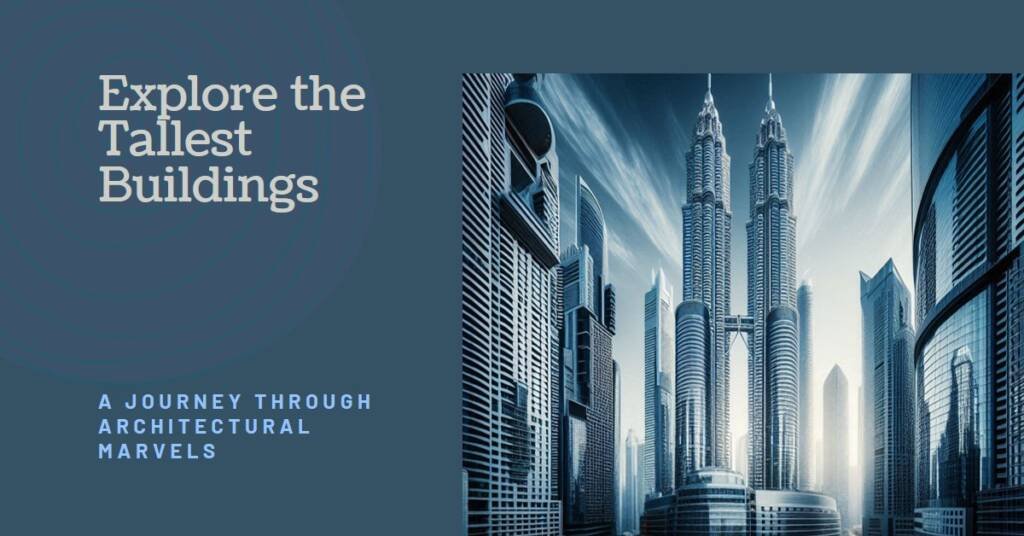
Conclusion: The Future of Urban Living
Central Park Tower stands as a monumental achievement in architectural innovation and urban design, offering a compelling glimpse into the future of urban living. The tower’s design, emphasizing both aesthetic appeal and functional luxury, sets a new standard for high-rise residential developments. Its towering presence alongside Central Park redefines what it means to live in an urban environment, melding the natural beauty of the park with the sophistication of contemporary architecture.
As cities continue to evolve, Central Park Tower exemplifies a shift towards prioritizing vertical living, underscoring the importance of maximizing space without compromising on quality or lifestyle. This approach is particularly crucial given the growing population in urban areas, where land is limited and the demand for sophisticated living solutions is ever increasing. Future high-rise developments inspired by Central Park Tower will likely adopt similar principles of design, focusing on verticality while integrating green spaces and community-oriented amenities within their frameworks.
Furthermore, the tower’s unique offering of luxury and exclusivity reshapes our understanding of urban living, creating a model that balances opulence with sustainability. As more developers look to replicate the elegance and functionality of such high-rise structures, urban planning is poised to take on a more vertical character. Essential aspects, such as access to outdoor spaces and community interaction in these urban environments, will become fundamental considerations in the planning stages of future projects.
In summary, Central Park Tower is not merely a residential building; it is a harbinger of transformative urban living. It highlights critical trends in architecture and urban development that prioritize verticality, luxury, and sustainability, heralding exciting possibilities for future city landscapes. As cities adapt to meet the demands of modern life, the lessons derived from Central Park Tower will undoubtedly influence the next generation of urban dwellings, paving the way for a more enriched and integrated urban experience.