Table of Contents
- Introduction to Aulets Arquitectes
- Overview of the Enological Station
- Architectural Design and Features
- Integration with the Landscape
- Key Amenities and Facilities
- The Importance of Wine Research and Education
- Impact on the Local Community
- Future Developments and Vision
- Conclusion: The Legacy of the Enological Station
Introduction to Aulets Arquitectes
Aulets Arquitectes is an innovative architectural firm based in Spain, renowned for its commitment to marrying functionality with aesthetic appeal. Founded by a team of passionate architects, the firm has established a reputation for creating spaces that not only serve a purpose but also resonate with the natural environment. The architectural philosophy of Aulets Arquitectes hinges on the belief that design should be a reflection of its surroundings. This perspective fosters a harmonious relationship between buildings and their landscapes, allowing structures to appear as organic extensions of their environments.
The firm’s portfolio encompasses a diverse array of projects, ranging from residential buildings to cultural centers, each showcasing their unique approach to architecture. Notable past projects demonstrate their adeptness at integrating cutting-edge design with sustainability, a core tenet of their practice. Aulets Arquitectes places a strong emphasis on the use of natural materials and methods that promote energy efficiency, which is evident in their creative applications across various contexts. This commitment to responsible architecture not only shapes the firm’s identity but also influences the broader architectural discourse within the industry.
In their designs, Aulets Arquitectes focus on the user experience, ensuring that each space is not only visually stimulating but also functional. Their meticulous attention to detail results in environments that feel immersive and inviting. The firm’s work on the Enological Station exemplifies this philosophy, encapsulating their dedication to creating structures that cater to specific needs while seamlessly integrating into the broader landscape. By prioritizing relationships among form, function, and context, Aulets Arquitectes continuously contributes to the evolution of modern architecture, positioning themselves as a significant player in the field.
Overview of the Enological Station
The Enological Station is a pivotal establishment within the wine industry, serving as a hub for research, education, and innovation. Primarily designed to address the challenges and opportunities faced by local winemakers, this station plays a crucial role in fostering a deeper understanding of viticulture and enology. By providing a space dedicated to the advancement of wine science, it contributes significantly to the growth and sustainability of the region’s wine sector.
At its core, the Enological Station is meant to bridge the gap between traditional winemaking practices and modern scientific research. The facility houses state-of-the-art laboratories equipped with the latest technology, enabling researchers to conduct various experiments and analyses. These activities focus on improving grape cultivation methods, enhancing wine quality, and exploring sustainable practices that can have a positive impact on the environment. Furthermore, the station collaborates closely with local winemakers, offering them access to cutting-edge research and expert guidance in order to refine their production techniques.
In addition to research, the Enological Station also serves as an educational platform. It hosts workshops, seminars, and training sessions tailored for both new and experienced winemakers. These programs aim to disseminate knowledge and best practices within the industry, ensuring that local producers are well-equipped to meet evolving market demands. This educational aspect not only elevates the skills of individual winemakers but also strengthens the local wine community as a whole.
Lastly, the Enological Station actively promotes the region’s wines, enhancing their visibility both nationally and internationally. By fostering collaborations and partnerships, it encourages the mutual exchange of ideas and techniques, ultimately contributing to the growth and reputation of the local wine industry.
Architectural Design and Features
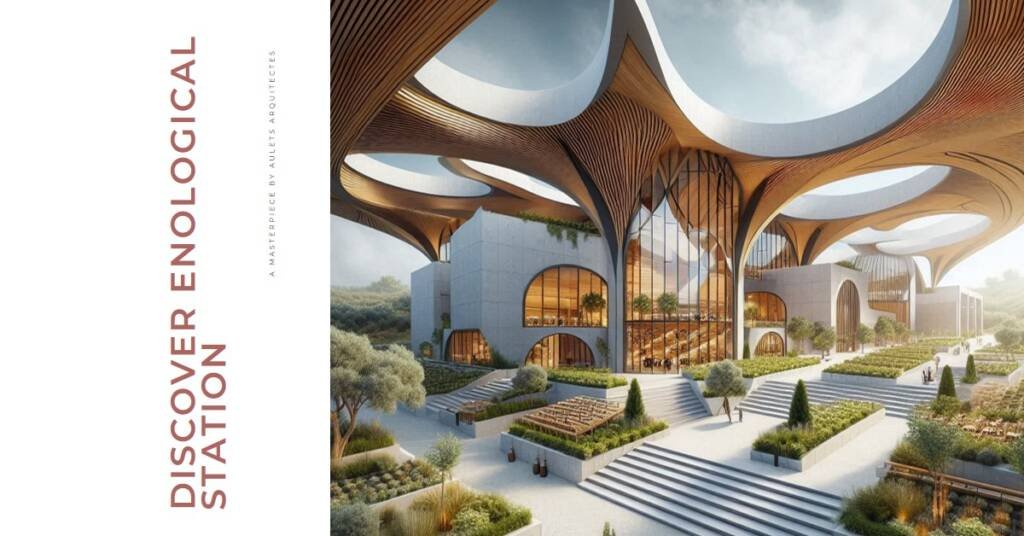
The Enological Station, designed by Aulets Arquitectes, stands as a remarkable example of innovative architectural design that harmoniously integrates functionality with aesthetic appeal. One of the significant aspects of the structure is its utilization of local materials, which not only enhances its visual connection to the surrounding landscape but also promotes sustainability. The choice of materials, including stone and wood, is essential in ensuring that the building assimilates smoothly into its environment while reducing its overall carbon footprint.
Furthermore, the architectural design incorporates renewable energy solutions, such as solar panels, which contribute to the station’s energy efficiency. These sustainable features are indicative of a broader commitment to environmentally friendly practices, allowing the structure to serve as a model for future projects in the region. By employing these green technologies, Aulets Arquitectes has created a facility that minimizes reliance on non-renewable resources while maximizing energy self-sufficiency.
Structurally, the Enological Station boasts an open-concept layout that encourages fluid movement between spaces. This design choice not only facilitates the efficient operation of the station’s various functions but also enhances user experience through increased natural light and views of the surrounding vineyard. Large windows strategically positioned throughout the building offer breathtaking vistas and create an inviting atmosphere for visitors and staff alike. The thoughtful arrangement of spaces allows for optimal workflow, especially in areas dedicated to wine production and tasting.
The roofline of the Enological Station is another captivating feature, designed to mimic the undulating hills of the nearby landscape. This organic curvature elevates the overall aesthetic, setting the structure apart while reinforcing its connection to the natural world. In conclusion, Aulets Arquitectes has successfully crafted an architectural masterpiece that exemplifies contemporary design principles while prioritizing sustainability and environmental integration.
Integration with the Landscape
The Enological Station designed by Aulets Arquitectes exemplifies a thoughtful integration with its surrounding landscape, blending architectural design seamlessly with natural elements. The distinct aim of this project was to create a harmonious relationship between the building and the environment, enhancing both the aesthetic appeal and functionality of the wine-making experience. Situated within a picturesque vineyard, the station’s alignment with the contours of the land ensures that it feels like a part of the landscape rather than an imposition upon it.
Landscaping plays a crucial role in achieving this integration. Native vegetation surrounds the Enological Station, significantly contributing to the ecological balance of the area. The choice of plants emphasizes the region’s biodiversity while providing a natural habitat for local wildlife. These landscaping choices not only enhance visual appeal but also promote sustainability, supporting the goal of maintaining harmony with the environment. The outdoor spaces surrounding the building are designed to be inviting and interactive, promoting engagement with the landscape and enhancing visitors’ experience.
The architectural design further emphasizes its connection with the locality through the use of local materials and colors that reflect the natural surroundings. Large windows and open spaces allow for panoramic views of the vineyards, establishing a sense of continuity between indoor and outdoor environments. The incorporation of outdoor areas, such as terraces and gardens, invites guests to immerse themselves in the beauty of the surroundings, offering a tranquil setting for wine tasting and other activities.
This deliberate integration with the landscape ultimately enriches the wine-making experience by creating a setting that fosters connection—both with nature and the art of wine production. The Enological Station serves not only as a functional space but also as a destination where architecture and nature coexist in perfect harmony.
Key Amenities and Facilities
The Enological Station, designed by Aulets Arquitectes, offers a comprehensive array of amenities and facilities tailored to meet the diverse needs of wine industry stakeholders. At the core of the facility is its state-of-the-art tasting rooms, which are designed to provide an immersive sensory experience. These rooms are not only equipped for tasting various wine products but also incorporate educational tools to enhance the learning experience for both novices and connoisseurs alike. High-quality wine storage facilities ensure that the integrity of the wines is maintained, allowing for accurate sensory evaluations.
In addition to tasting rooms, the Enological Station features advanced laboratories dedicated to research and development in enology. These labs are equipped with cutting-edge technology for chemical analysis and microbiological testing, enabling winemakers and researchers to explore new techniques and improve existing processes. The importance of scientific inquiry in wine production cannot be understated, as these facilities support innovations that can lead to superior wine quality and sustainability practices.
Further enhancing the station’s offerings, there are classrooms designed for workshops and training programs aimed at various participants in the wine sector. These educational spaces are conducive to learning and feature modern audiovisual aids to facilitate presentations and discussions. This setup not only benefits students and novices but also serves seasoned professionals seeking to update their skills and knowledge.
Moreover, the Enological Station includes event spaces where industry conferences, networking events, and seminars can occur. These versatility-driven facilities provide an ideal environment for collaboration among wine growers, marketers, and educational institutions. By hosting such events, the Enological Station fosters an atmosphere of community within the wine industry, encouraging the exchange of ideas and best practices.
The Importance of Wine Research and Education
The Enological Station, designed by Aulets Arquitectes, plays a crucial role in advancing the field of wine research and education. This facility serves as a hub for ongoing research initiatives that address various aspects of viticulture and enology. By fostering a culture of innovation, the station enables researchers and students to explore new methodologies and technologies in wine production. This is essential for improving overall wine quality and sustainability in the industry.
Partnerships with universities significantly enhance the station’s capabilities. Collaborative projects not only offer students valuable hands-on experience but also integrate academic research with practical applications. Universities provide insights into the scientific principles underlying wine production, while the Enological Station facilitates experimental trials and field studies. Such synergies contribute to a deeper understanding of grape cultivation, fermentation processes, and the sensory evaluation of wines.
The significance of wine research extends beyond academic pursuits; it directly influences the commercial viability of wine-making techniques. By sharing findings with local grape growers and winemakers, the Enological Station promotes the adoption of best practices and innovative approaches. Workshops and seminars conducted at the station further disseminate knowledge, ensuring that industry professionals stay informed about the latest advancements in wine science.
Moreover, the impact of education in this field cannot be overstated. Aspiring winemakers and viticulturists benefit from structured programs that teach the intricacies of wine production, market trends, and sustainability practices. The Enological Station is dedicated to cultivating a new generation of experts who are equipped to address the challenges facing the wine industry today. By combining rigorous research with comprehensive educational programs, the station helps to secure a prosperous future for both wine-making and the broader viticulture community.
Impact on the Local Community
The Enological Station, designed by Aulets Arquitectes, serves as a significant catalyst for economic development in the local community. By offering a dedicated space for wine education and research, it attracts a diverse range of visitors, including tourists, students, and professionals from the wine industry. This influx of visitors translates into increased revenue for local businesses including hotels, restaurants, and shops, thereby bolstering the local economy.
Job creation is another vital aspect of the station’s impact. The establishment requires a variety of positions, from administrative roles to educators, creating numerous employment opportunities for local residents. Furthermore, as the station collaborates with local wineries, additional jobs are generated within those businesses to meet the increased demand for tours, tastings, and educational experiences. This symbiotic relationship not only enriches the community economically but also strengthens the overall ambiance of the wine culture prevalent in the region.
The Enological Station also plays a critical role in fostering a sense of community among residents. By organizing regular events such as wine tastings, workshops, and public lectures, the station creates opportunities for people to connect, share knowledge, and celebrate their local heritage. Such activities encourage collaboration between the Enological Station and local wineries, effectively promoting local products and enhancing the region’s visibility as a hub for innovative wine practices. In turn, this shared engagement cultivates a deeper appreciation for the region’s agricultural heritage while inspiring collective efforts towards sustainability and quality improvement within local vineyards.
Therefore, the Enological Station not only stands as an architectural landmark but also as a thriving institution that supports economic growth, job creation, and community engagement. Its multifaceted contributions exemplify the benefits of placing such a facility in the heart of the wine region.
Future Developments and Vision
The Enological Station, a pivotal project designed by Aulets Arquitectes, stands at the forefront of contemporary enological research and community engagement. Looking ahead, the vision for the station encompasses a range of exciting developments aimed at enhancing its role as a hub for innovation in the wine industry. Central to this vision is the commitment to sustainability and the integration of cutting-edge technology in viniculture practices, which ensures that the station remains a leader in the field.
In the immediate future, plans to expand the physical footprint of the station are underway. This expansion is expected to include the addition of new tasting rooms and research laboratories that will accommodate a growing number of visitors and specialists from around the world. Such enhancements will not only increase the station’s capacity but also elevate the experience for those keen to learn about wine production and the science behind it. By fostering an environment of collaboration and discovery, Aulets Arquitectes aims to attract more students, researchers, and industry professionals.
Moreover, a key element of the forward-looking strategy includes the introduction of new educational programs that cater to both novices and experienced vintners. These programs will cover diverse topics, such as organic viticulture, wine tasting techniques, and the intersection of technology and winemaking. By diversifying the educational offerings, the Enological Station is set to play an instrumental role in shaping the future of the wine industry while driving advancements in viticulture science.
Ultimately, the ongoing evolution of the Enological Station underlines a profound vision: to create a sanctuary for learning and innovation that reflects the best practices in sustainable winemaking. With the seamless integration of its facilities, programs, and technological advancements, the station is poised to lead the way in the enological landscape for years to come.


Conclusion: The Legacy of the Enological Station
The Enological Station, designed by Aulets Arquitectes, stands as a remarkable testament to contemporary architectural innovation. This facility not only enriches the landscape with its modern design but also serves a pivotal role in the domain of wine research and education. As an architectural landmark, it is set apart by its commitment to sustainability and community engagement, reflecting a deep understanding of ecological responsibilities inherent in modern construction practices.
The design of the station promotes an environment conducive to collaboration among enologists, agricultural scientists, and students pursuing viticulture. The integration of research and educational programs reaffirms the station’s status as a hub for knowledge exchange in the wine industry, fostering global connections and local traditions alike. By emphasizing sustainable practices, it inspires future projects within the realm of architecture to incorporate similar values, thereby contributing to the sustainability movement at large.
Moreover, the Enological Station stands as a physical manifestation of the cultural heritage tied to winemaking. Its architecture resonates with the surrounding landscapes, harmonizing form and function, while also celebrating the history and importance of wine in the region’s heritage. The emphasis on community interaction fosters a sense of ownership and pride among local residents, turning the station into more than just a research facility; it has become a cherished asset that embodies the collective aspirations and identity of the area.
In conclusion, the legacy of the Enological Station extends beyond its architectural achievements. It symbolizes a commitment to innovation, sustainability, and community involvement. Through its functionalities and design, the station not only impacts the present but also lays groundwork for the future of viticulture and architectural practice. It invites ongoing exploration and appreciation for the convergence of science and art within the winemaking process, marking a significant chapter in both architectural and enological narratives.