Table of Contents
- Introduction to Palomar College and LPA’s Vision
- The Role of Learning Resource Centers in Modern Education
- Design Principles Employed by LPA
- Architectural Features of the Learning Resource Center
- Technology Integration in Educational Spaces
- Student-Centric Design: Enhancing Collaborative Learning
- Sustainability Practices in the Design of the LRC
- Testimonials and Feedback from Users
- Future Perspectives: Evolving Educational Needs
Introduction to Palomar College and LPA’s Vision
Established in 1946, Palomar College serves as a vital educational institution in San Diego County, California. The college is dedicated to delivering high-quality education and enriching the lives of its diverse student population. It provides a wide range of associate degree programs, vocational certificates, and transfer options, fostering academic achievement and professional success through its inclusive and supportive learning environment. The mission of Palomar College is rooted in empowering students from various backgrounds, thereby encouraging personal growth, lifelong learning, and community engagement.
In pursuit of its educational mission, Palomar College recognizes the need to continually enhance its facilities to support innovative teaching and learning methodologies. It is here that LPA Inc., the architecture firm behind the design of the Learning Resource Center (LRC), plays a crucial role. LPA envisions educational spaces that are not merely functional but are transformative, promoting collaboration, creativity, and inspiration among students and faculty. With their expertise in designing effective learning environments, LPA is committed to integrating architectural innovation with educational effectiveness.
The Learning Resource Center exemplifies this vision, embodying the principles of modern educational design. This facility aims to provide students with access to cutting-edge resources and spaces that facilitate interactive learning. The emphasis on creating effective learning environments is paramount, as research consistently highlights the impact that thoughtfully designed spaces have on student outcomes and engagement. By investing in such innovative learning spaces, Palomar College not only enhances its educational offerings but also affirms its commitment to adapt to the evolving landscape of higher education.
The Role of Learning Resource Centers in Modern Education
Learning Resource Centers (LRCs) play a pivotal role in contemporary educational settings, acting as vital hubs that support the diverse needs of students. The primary purpose of these centers is to facilitate student learning by providing a range of resources, including books, digital media, and access to technology. In today’s academic environment, where information is readily available online, LRCs help navigate this abundance by offering curated resources that enable students to engage deeply with their studies.
Moreover, Learning Resource Centers are designed to foster collaboration among students. These spaces often include group study areas, technology stations, and collaborative workspaces that encourage interaction. By promoting group learning, LRCs help students develop critical soft skills, such as teamwork and communication, which are essential for academic success and future careers. As educational paradigms shift towards more cooperative models, the significance of these collaborative environments cannot be overstated.
Technological integration is another crucial function of Learning Resource Centers. With the rapid advancement of technology, it is imperative that educational institutions provide students access to cutting-edge tools and software. LRCs bridge this gap by offering up-to-date technology and training on how to use various digital resources effectively. This exposure not only enhances the learning experience but also prepares students for the technological demands of the workforce.
Access to resources is a fundamental aspect of Learning Resource Centers that greatly benefits academic achievement. By ensuring equitable access to learning materials, libraries, and digital tools, LRCs level the playing field for all students, regardless of their background. This inclusivity supports the overall educational mission by encouraging all students to reach their full potential in a supportive environment. Ultimately, Learning Resource Centers are indispensable for nurturing an engaging and effective learning atmosphere.
Design Principles Employed by LPA
The design of the Learning Resource Center (LRC) at Palomar College reflects a careful consideration of several key principles that aim to enhance the educational experience. Among these principles, flexibility, sustainability, and user-centered design stand out as fundamental to the overall architecture and functionality of the space. These concepts are meticulously integrated to foster an environment that not only supports varied learning styles but also adapts to the dynamic needs of its users.
Flexibility in design allows for multiple configurations within the space, accommodating different teaching methods and learning activities. This principle manifests through movable furniture, adaptable classrooms, and versatile communal areas. Such features enable educators to reconfigure the space based on specific lesson requirements or group interactions, promoting collaboration and engagement. Flexible learning environments are essential, as they can easily transition from lectures to group projects, allowing for a more holistic approach to education.
In addition to flexibility, sustainability serves as a guiding principle throughout the design of the LRC. LPA has embraced innovative materials and technologies that reduce the environmental impact of the building while enhancing operational efficiency. Sustainable features include energy-efficient systems, natural light optimization, and the incorporation of native landscaping in order to promote ecological balance. This commitment to sustainability not only contributes to the well-being of the planet but also enhances the learning environment for students, reinforcing the importance of environmental stewardship in modern education.
User-centered design rounds out the key principles that inform the LRC’s layout and functionality. By prioritizing the needs, preferences, and behaviors of students and faculty, the design ensures that the space is intuitive and accessible. Thoughtful navigation, ample resources, and inclusive spaces foster a sense of belonging and support, encouraging all users to engage in the educational process. Through these design principles, LPA has successfully created a learning resource center that is both functional and inspiring.
Architectural Features of the Learning Resource Center
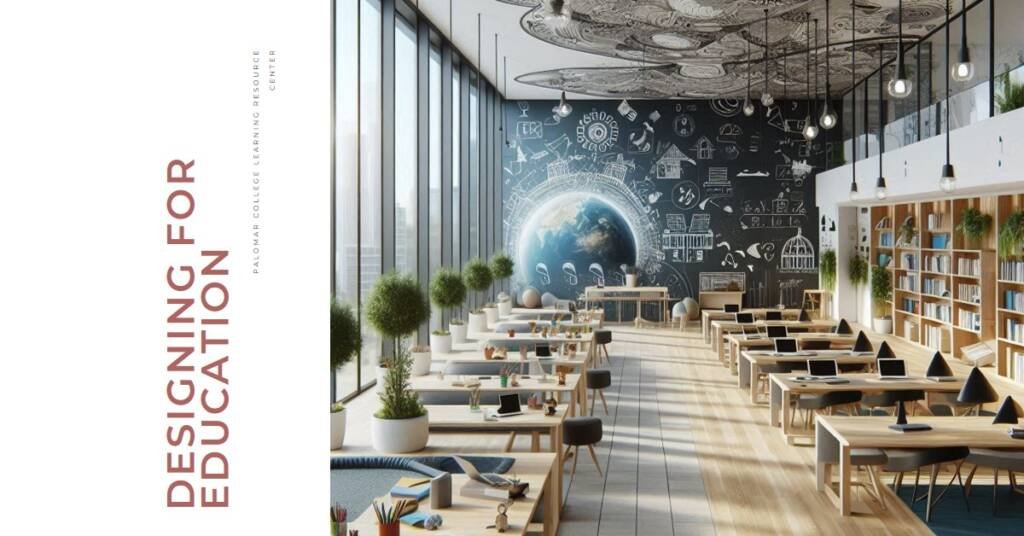
The Learning Resource Center (LRC) at Palomar College, designed by LPA, showcases a paradigm of modern architectural innovation tailored for educational environments. One of the most striking aspects of the LRC is its spatial layout, which prioritizes open areas encouraging collaboration and flexible learning. The design integrates various study zones, ranging from quiet individual study nooks to dynamic group workstations, allowing students to choose their optimal learning environment. This thoughtful arrangement fosters a sense of community and enhances academic engagement among users.
Interior design plays a crucial role in establishing the LRC’s welcoming ambiance. The application of modern materials, such as polished concrete and warm wood accents, creates a harmonious blend of aesthetics and functionality. The color palette is intentionally curated, incorporating calming yet stimulating tones that promote focus and creativity. Additionally, furniture within the LRC is ergonomically designed, providing comfort for extended periods of study while also being visually appealing. This strategic selection of furnishings contributes to an inviting atmosphere that encourages students to utilize the center’s resources effectively.
Natural lighting further enhances the LRC’s architectural appeal. Large windows and strategically placed skylights allow an abundance of daylight to permeate the space, reducing reliance on artificial lighting and minimizing energy consumption. This thoughtful integration of natural elements contributes to a healthy indoor environment, positively influencing students’ mood and productivity. Moreover, the landscaping surrounding the LRC complements its design, featuring native plant species that not only beautify the exterior but also promote sustainability.
In essence, the architectural features of the Learning Resource Center work synergistically to create a vibrant educational hub. Each element, from the spatial layout to the use of natural light, is designed with student engagement in mind, making it a model for future learning spaces in academic institutions.
Technology Integration in Educational Spaces
The integration of technology within the Palomar College Learning Resource Center (LRC) has significantly transformed the educational experience for students and faculty alike. By incorporating a range of digital resources and collaborative tools, the LRC stands at the forefront of innovative learning environments. In today’s academic landscape, where adaptability and engagement are paramount, the LRC serves as a prime example of how technology can enhance educational methodologies.
One of the key features of the LRC is its extensive array of digital resources that facilitate access to information and knowledge. Students can take advantage of powerful databases, online journals, and e-books that allow them to conduct in-depth research from anywhere. These resources not only make learning more accessible but also encourage students to engage with materials that may not be available in traditional print formats. Consequently, this access fosters a culture of independent learning and critical thinking.
In addition, the LRC incorporates collaborative tools such as interactive whiteboards and smart technology solutions within its study spaces. These tools enable students to work together in real time, sharing ideas and fostering collaborative projects that simulate real-world scenarios. Furthermore, the design of the study areas promotes dialogue and teamwork, which are essential skills in modern education and professional settings.
The inclusion of modern electronics, such as charging stations, high-speed Wi-Fi, and multimedia equipment, further promotes an innovative learning atmosphere. These amenities ensure that students have the necessary support to engage with their studies without interruption. Thus, the overall experience at the LRC is not only conducive to learning but also prepares students for the increasingly digital world they will encounter post-graduation.
Student-Centric Design: Enhancing Collaborative Learning
The architecture of educational institutions has evolved significantly, with a strong shift towards student-centric design. This approach focuses on creating environments that cater to the diverse needs of learners, thereby enhancing collaborative learning experiences. The Palomar College Learning Resource Center (LRC), designed by LPA, exemplifies this trend through its thoughtfully crafted spaces that prioritize student engagement and interaction.
At the heart of the LRC’s design is its commitment to fostering collaboration among students. Dynamic spaces are strategically integrated to support group work and activities that encourage teamwork. These areas are equipped with flexible furniture arrangements and technology resources, allowing students to form groups that suit their collaborative activities. Whether it’s brainstorming sessions, project collaborations, or study groups, these versatile environments promote active learning and peer engagement.
In addition to collaborative workspaces, the LRC also features quiet study areas that provide students with the opportunity for focused, individual work. This balance between social and solitary spaces is crucial, as it accommodates various learning preferences and styles. Students can choose to engage in group discussions or find a quiet nook for reflection and concentration, thereby creating an inclusive learning atmosphere that supports both communal and independent learning.
The provision of social spaces within the LRC further enhances the sense of community among students. These areas, designed for relaxation and informal interactions, serve as vital hubs where students can connect outside of structured learning environments. Such spaces encourage a culture of collaboration and camaraderie, reinforcing the idea that learning is not confined to the classroom.
Overall, the LRC embodies the principles of student-centric design by prioritizing collaborative learning and nurturing a vibrant academic community. This innovative approach to educational architecture exemplifies how well-designed learning environments can profoundly impact students’ educational experiences and outcomes.
Sustainability Practices in the Design of the LRC
The design and construction of the Palomar College Learning Resource Center (LRC) exemplify a strong commitment to sustainability, integrating innovative practices that focus on environmental stewardship. Central to this initiative is the use of energy-efficient systems, which play a crucial role in minimizing the overall energy consumption of the facility. The LRC is equipped with advanced HVAC systems that employ high-efficiency heat pumps and real-time energy monitoring, ensuring optimal energy use without compromising occupant comfort.
Moreover, water conservation techniques have been thoughtfully implemented into the design of the LRC. The inclusion of low-flow fixtures throughout the facility contributes significantly towards reducing water usage, aligning with contemporary sustainability goals. Additionally, a rainwater harvesting system collects and utilizes rainwater for irrigation purposes, effectively promoting water resource management on campus. These practices not only reflect an acute awareness of resource conservation but also pave the way for reduced operational costs.
In the selection of materials, the LRC prioritizes sustainable options that reduce environmental impact. Local and recycled materials are favored, minimizing transportation emissions and fostering a circular economy. The choice of low-VOC (volatile organic compounds) paints and finishes further enhances indoor air quality, creating a healthier learning environment for students and staff alike. By investing in sustainable materials, the LRC stands as a compelling example of how educational institutions can contribute to environmental awareness and accountability.
Overall, the sustainability practices evident in the design of the Palomar College Learning Resource Center not only align with the institution’s commitment to environmental stewardship but also set a benchmark for future educational infrastructure projects. By embracing such measures, Palomar College showcases the vital role that educational facilities can play in promoting sustainability and ecological responsibility.
Testimonials and Feedback from Users
The Palomar College Learning Resource Center (LRC) has garnered a wealth of feedback from its diverse user base, encompassing students, faculty, and staff. Their testimonials highlight the center’s significant role in enhancing the academic experience and fostering a collaborative learning environment. Many students have expressed appreciation for the extensive resources available, which include state-of-the-art technologies, comprehensive libraries, and dedicated study areas. A senior student majoring in biology shared, “The LRC has transformed the way I study. The access to updated textbooks and quiet spaces has significantly improved my focus and grades.”
Faculty members have also voiced their satisfaction with the LRC. A professor from the English department noted, “The facility provides an ideal setting for both teaching and learning. The integration of technology allows me to engage my students in ways that were not possible before.” This sentiment is echoed by various instructors who utilize the LRC for workshops and tutorials, indicating that the environment encourages interaction and innovation among students.
Staff feedback has been equally positive, particularly regarding the supportive atmosphere established within the LRC. One staff member commented, “The design of the space fosters a sense of community. We see students collaborating on projects and exchanging ideas, which is inspiring to witness.” Such testimonials underscore the importance of the LRC not just as an educational hub but as a catalyst for social interaction and academic growth.
Overall, the LRC at Palomar College receives commendations for its impact on student performance, faculty engagement, and staff satisfaction. The collective feedback illustrates a shared belief that the center is instrumental in shaping a progressive and effective learning environment, directly contributing to the academic success of its users.


Future Perspectives: Evolving Educational Needs
As the landscape of education continues to evolve, the facilities that support learning must similarly adapt to meet the changing needs of students and educators. The emphasis on personalized learning, collaborative experiences, and technology integration has become increasingly prominent. Educational spaces like the Palomar College Learning Resource Center (LRC) must not only cater to current trends but also anticipate future demands, ensuring they remain relevant and effective.
One of the most significant trends influencing educational environments is the shift toward learner-centric approaches. This paradigm prioritizes the individual needs of students, allowing them tailored pathways to knowledge acquisition. Spaces at the LRC should support this shift by incorporating flexible furniture arrangements, movable walls, and versatile technology setups that can accommodate various learning styles and group sizes. Such configurations encourage active learning, promote collaboration, and ultimately enhance student engagement within the learning resource center.
In addition to physical adaptability, technological integration continues to play a critical role in shaping educational facilities. As digital literacy becomes a vital component of curriculum standards, incorporating sufficient technological resources, such as robust Wi-Fi access, digital labs, and multimedia engagement tools in the LRC, is essential. These elements not only facilitate diverse learning opportunities but also prepare students for the demands of the 21st-century workforce.
Ongoing assessment and redesign of educational spaces will be necessary to accommodate the evolving needs of a dynamic student body. Regular reviews of the effectiveness of existing facilities in the LRC will help inform potential redesigns and enhancements. By actively seeking feedback from students and faculty and cogitating on evolving educational paradigms, the LRC can continue to serve as a relevant and innovative hub for learning for years to come.