Table of Contents
- Introduction to the Roseville Library Project
- Overview of Meyer Scherer Rockcastle
- Community Needs Assessment
- Key Design Elements of the New Library
- Incorporating Modern Technology
- Sustainability Initiatives
- Community Engagement in the Design Process
- Future of the Roseville Library
- Conclusion and Next Steps
Introduction to the Roseville Library Project
The Roseville Library project, designed by Meyer Scherer Rockcastle, represents a significant step forward in enhancing community engagement through innovative architectural design. This initiative seeks not only to modernize existing library facilities but also to create a vibrant hub that fosters lifelong learning and fosters a sense of community. Libraries have evolved from traditional book repositories to essential spaces that cater to the diverse needs of the populations they serve, and the Roseville Library aims to reflect this transition.
The vision behind this redesign is rooted in the understanding that libraries are crucial social infrastructures promoting knowledge sharing and personal growth. In recent years, there has been a heightened emphasis on creating environments conducive to collaboration, creativity, and digital literacy. The Roseville Library aims to embody these principles, providing adaptable spaces that can accommodate various activities, ranging from reading and study sessions to workshops and community meetings.
In summary, the Roseville Library project represents a forward-thinking approach to public library design, emphasizing community engagement and lifelong learning. As the project unfolds, it will aim to establish itself as a key resource for residents, exemplifying the essential role libraries play in fostering informed and connected communities.
Overview of Meyer Scherer Rockcastle
Meyer Scherer Rockcastle (MSR) is an esteemed architectural firm based in Minneapolis, Minnesota, known for its commitment to designing inclusive and innovative community spaces. Established in 1981, the firm has built a robust reputation through its thoughtful approach to architecture, emphasizing functional design that harmonizes with the surrounding environment. MSR’s vision is rooted in the belief that architecture can enhance the public realm and foster community interactions.
The firm’s philosophy prioritizes collaboration with clients and stakeholders, ensuring that each project reflects the unique character and needs of the community it serves. This focus is evident in their diverse portfolio, which includes educational institutions, cultural centers, and public libraries, among other civic spaces. Each project undertaken by MSR aims to create environments that are not only aesthetically pleasing but also enhance accessibility and serve as a platform for social gathering and engagement.
Notable past projects by Meyer Scherer Rockcastle include the renovation of the renowned Walker Art Center in Minneapolis, which exemplifies their dedication to adaptive reuse and revitalization of existing structures. The firm is also recognized for its work on the Saint Paul Central Library, which fosters a welcoming environment for all visitors while supporting an array of community programs. Through these endeavors, MSR demonstrates a deep understanding of how thoughtfully designed spaces can contribute to the health and vitality of communities.
MSR’s approach to architecture is characterized by an integration of sustainable practices and innovative technologies, aligning their projects with contemporary environmental goals. Their emphasis on community collaboration, innovative solutions, and sustainable design principles positions Meyer Scherer Rockcastle as a leader in the realm of architectural practice focused on improving public spaces for all residents.
Community Needs Assessment
The development of the Roseville Library Plan by Meyer Scherer Rockcastle was predicated on a comprehensive community needs assessment aimed at understanding and addressing the diverse requirements of the local population. Engaging with residents was a cornerstone of this assessment, ensuring that their voices influenced the library’s design and functionality.
To initiate this process, the firm employed a multi-faceted approach that included surveys, focus groups, and public forums. These engagement strategies were instrumental in gathering valuable feedback from community members of various demographics. This interaction helped to unveil the specific needs and preferences that residents envisioned for their library space, allowing for a more tailored design. For instance, families expressed a desire for more children’s areas, while young adults sought resources for study and collaboration.
The data collected through these interactions revealed essential features required to effectively serve the community. Residents indicated a need for technology-friendly spaces, including computer labs and areas dedicated to digital literacy. Additionally, they emphasized the importance of flexible spaces that can be adapted for events, workshops, and cultural programs. Such insights allowed Meyer Scherer Rockcastle to incorporate these elements into the library’s architectural plan, thus making the facility a vibrant hub for learning and social interaction.
The collaborative efforts between the firm and the community facilitated a design that aligns with the residents’ aspirations. By recognizing and addressing the unique needs of Roseville’s diverse demographics, the library aims to foster inclusivity, engagement, and lifelong learning. This ongoing dialogue exemplifies the significance of community involvement in public space planning, ensuring that the library will serve as a valuable resource for years to come.
Key Design Elements of the New Library
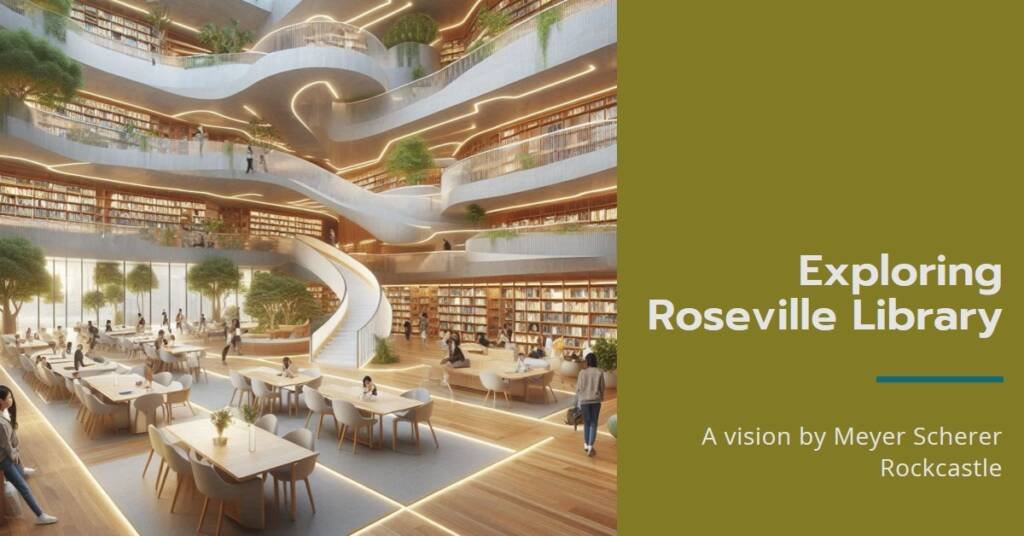
The design of the new Roseville Library meticulously incorporates various architectural and functional elements that align with the community’s identity and needs. One of the standout features of this modern library plan is its emphasis on multifunctional spaces. These adaptable areas are designed to accommodate a wide range of activities—from quiet reading and study to collaborative workshops and community gatherings. The layout promotes accessibility, ensuring that all visitors, regardless of age or ability, can interact seamlessly with the space.
Integral to this design is the advanced technology integration within the library. The Roseville Library plan includes state-of-the-art digital resources and interactive learning tools, enhancing user experience and engagement. Designated tech zones equipped with computers, tablets, and makerspaces facilitate educational exploration and innovation. This focus on technology aligns with contemporary educational practices, fostering a generation that is both digitally literate and creatively inclined.
Sustainability also plays a critical role in the architectural vision for the new library. The design incorporates energy-efficient materials, green roofs, and natural lighting features, thereby minimizing environmental impact while promoting ecological stewardship within the community. These elements not only contribute to the library’s operational efficiency but also serve as educational tools for visitors, showcasing sustainable practices and their importance in today’s world.
Aesthetic considerations further enhance the library’s connection to the community. The choice of materials, colors, and landscaping reflect the local culture and environment, creating a welcoming atmosphere for all. The design team has consciously selected elements that resonate with Roseville’s history and values, creating a space that feels both familiar and inviting. Overall, the key design elements of the new library harmoniously blend functionality, technology, sustainability, and aesthetics, ensuring the space serves the community’s dynamic needs.
Incorporating Modern Technology
The Roseville Library Plan designed by Meyer Scherer Rockcastle is set to redefine how communities engage with public libraries through the integration of modern technology. One of the key aspects of this innovative approach is the incorporation of digital resources. Users will have access to an extensive range of e-books, audiobooks, and online databases, which provide a plethora of information at their fingertips. By facilitating access to these digital resources, the library aims to cater to the diverse needs of its patrons while ensuring that information is readily available in a format that aligns with contemporary lifestyles.
In addition to digital resources, the library will implement advanced library systems that streamline operations and enhance user experience. These systems will include user-friendly self-checkout kiosks, which not only save time but also allow patrons to take greater control of their borrowing experience. Moreover, staff will be equipped with handheld devices to assist in tracking and managing inventory more effectively. By utilizing these modern systems, the library ensures a seamless interaction between users and resources, promoting an efficient and enjoyable atmosphere.
Furthermore, the design of the Roseville Library incorporates tech-friendly environments that encourage collaboration and creativity. Flexible workspaces will be created, featuring comfortable seating and charging stations for personal devices. These areas are designed to support various activities, from individual studying to group discussions and community events. The emphasis on technology also extends to the availability of high-speed internet and accessible workstations equipped with essential software. Altogether, these elements aim to create an inviting space that fosters learning, exploration, and community engagement.
Ultimately, the integration of modern technology within the Roseville Library Plan reflects a commitment to evolving with the needs of contemporary society. By prioritizing digital resources, advanced library systems, and tech-friendly environments, this innovative approach seeks to provide a robust user experience that enhances accessibility and encourages lifelong learning.
Sustainability Initiatives
The Roseville Library Plan, crafted by Meyer Scherer Rockcastle, places a strong emphasis on sustainability as a pivotal element in its design and operational strategies. Central to this approach is the integration of green building practices that not only elevate the aesthetic appeal of the library but also substantially reduce its carbon footprint. The design process incorporates eco-friendly materials, ensuring that the library is both sustainable and resilient. For instance, the use of recycled construction materials and sustainably sourced wood not only minimizes resource depletion but also enhances the environmental performance of the building.
Energy efficiency is another cornerstone of the sustainability initiatives outlined in the Roseville Library Plan. The library’s architectural design includes strategically placed windows and skylights that maximize natural light, thereby reducing the reliance on artificial lighting during daylight hours. This design choice not only contributes to lower energy consumption but also creates a welcoming and vibrant atmosphere for visitors. Additionally, advanced HVAC systems will be employed to optimize heating, ventilation, and air conditioning, ensuring that energy usage remains both efficient and effective throughout the year.
To further minimize environmental impact, the proposal includes provisions for rainwater harvesting and greywater recycling systems. Such innovative techniques will allow the library to capture and reuse water, significantly lowering the demand on municipal sources while promoting responsible water management. Furthermore, the landscaping around the library will feature native plant species designed to thrive in local conditions, requiring minimal irrigation and maintenance. By implementing these comprehensive sustainability initiatives, the Roseville Library aspires not only to serve as a valuable community resource but also to exemplify best practices in environmental stewardship.
Community Engagement in the Design Process
Effective community engagement is fundamental to the success of any design project, and the Roseville Library Plan exemplifies this principle. By actively involving residents in the design process, Meyer Scherer Rockcastle sought to ensure that the library would not only meet the functional needs of the community but also reflect its values and aspirations. This inclusive approach recognizes that community members, as primary stakeholders, hold valuable insights that can greatly enhance the design outcome.
To facilitate this engagement, a variety of methods were implemented, including workshops and surveys. Workshops served as interactive forums where residents could voice their ideas, concerns, and preferences regarding the library’s design. These sessions fostered an environment of collaboration, allowing participants to engage directly with the designers, understand the project’s objectives, and contribute to the brainstorming process. Surveys further complemented these workshops by reaching a broader audience, allowing those unable to attend in person to share their opinions and desires for the library’s features and services.
The feedback obtained from these community engagement efforts was instrumental in shaping the final design. Key themes emerged from resident input, spotlighting the importance of versatile spaces, accessibility, and technology integration. This information guided Meyer Scherer Rockcastle in prioritizing elements that genuinely resonate with the community’s needs, creating an innovative library design that serves as a vibrant hub for learning and engagement. By valuing community voices in the design process, the Roseville Library Plan exemplifies how collaboration can lead to public spaces that are not only functional but also enriching for all who use them.
Future of the Roseville Library
The anticipated future of the Roseville Library, designed by Meyer Scherer Rockcastle, promises to redefine its role within the community. As a proposed multi-functional space, the library is envisioned as a vibrant community hub that fosters engagement, learning, and collaboration. In a rapidly evolving digital landscape, the library’s commitment to maintaining relevance is evident through the inclusion of flexible spaces that cater to diverse needs.
One of the essential features of the future Roseville Library will be its adaptability to changing community requirements. Dedicated areas for group collaboration, quiet study, and creative workshops will create a dynamic environment where citizens can gather for various purposes, from educational programming to social events. Moreover, the library will likely embrace advanced technology, offering resources such as 3D printing, virtual reality stations, and multimedia creation suites, thereby enhancing learning opportunities for all ages.
To encourage community engagement, the library plans to host an array of programs and events. These may include author readings, cultural celebrations, educational workshops, and youth mentorship programs. Additionally, partnerships with local organizations and schools will further enhance the library’s role as a central resource for learning and development. By providing a platform for community input, the Roseville Library will also be responsive to the evolving preferences of its patrons, ensuring that its services remain relevant.
As society continues to anticipate changes brought on by technology and shifting demographics, the Roseville Library is poised to adapt comprehensively. This forward-thinking approach will not only make the library a central venue for knowledge and culture but also a crucial participant in the community’s continued growth and development. Envisioning the library in this manner supports the goal of fostering a well-connected, informed, and engaged citizenry.


Conclusion and Next Steps
The Roseville Library Plan, as designed by Meyer Scherer Rockcastle, stands as a testament to the vision of a community-centric space that adapts to the needs of diverse residents. Key takeaways from the plan emphasize the importance of accessibility, inclusivity, and sustainability within community libraries. The redesign process highlights the intention to create a vibrant atmosphere, equipped with resources that cater to learning, collaboration, and cultural enrichment.
As we look toward the next steps in the construction and implementation phase, the timeline has been established to ensure efficient progress. Initial stages will involve site preparation, which will be crucial to minimize disruption during the transition period. Following this, the construction phase will commence with a focus on maintaining the integrity of the existing landscape while integrating state-of-the-art facilities that prioritize user experience. Stakeholders, including community members, will be engaged throughout the process, encouraging feedback and participation to reflect communal values.
The Roseville Library, once completed, will serve as more than a repository of books; it will become a pivotal community hub, offering programs and events that foster social connections and lifelong learning. This project not only aims to enhance the physical structure of the library but also to cultivate a thriving environment for residents of all ages. By reaffirming the library’s role in promoting literacy and community engagement, it will play an integral part in reinforcing the cultural fabric of Roseville.
In conclusion, as the Roseville Library Plan moves forward, it promises to provide a renewed space for community interaction, learning, and engagement. The project symbolizes a collective commitment to enriching the shared experience of all Roseville residents, thereby paving the way for a more connected and informed community.