Table of Contents
- Introduction to Architectural Representation
- Historical Context of Human Figures in Architecture
- The Role of Scale and Proportion
- Symbolism and Metaphor in Human Representation
- Human Figure Interactions with Architecture
- Modern and Contemporary Approaches
- Cultural Variations in Representation
- Case Studies of Iconic Architectural Works
- Conclusion and Future Perspectives
Introduction to Architectural Representation
Architectural representation serves as a fundamental bridge between imagination and reality in the field of architecture. It encompasses the myriad ways architects convey their design ideas, ranging from technical drawings to artistic depictions. The primary purpose of architectural representation is to translate conceptual visions into visual formats that can be shared, analyzed, and constructed. This process not only aids in communicating design intentions but also fosters collaboration among architects, engineers, and clients.
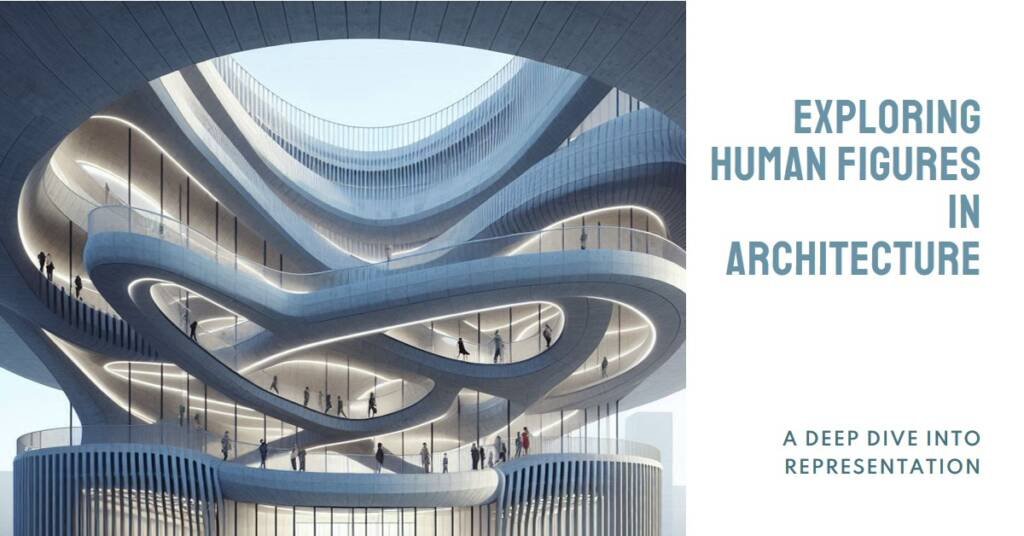
The inclusion of human figures within architectural representations has historically played a crucial role in the comprehension of space and scale. By integrating human silhouettes into blueprints and renderings, architects provide viewers with a tangible reference point, allowing them to grasp the proportions and dynamics of designed spaces. This practice has evolved over centuries, reflecting changing societal values and advances in artistic techniques.
As we delve deeper into the subject of architectural representation, it is important to recognize its broader significance within the discipline. The integration of human figures is not merely a matter of aesthetics; it influences how designs are understood and interpreted in relation to human experience. By examining the historical context and evolution of these representations, we gain valuable insights into the enduring relationship between architecture and the human figure.
Historical Context of Human Figures in Architecture
The inclusion of human figures in architectural representations has a rich and varied history, reflecting the evolving relationship between humanity and built environments throughout different periods. In ancient civilizations, such as those in Egypt and Greece, human figures played a vital role in architectural illustrations, frequently depicted to convey scale and the importance of structures. For instance, Greek temples often included sculptural elements that depicted human forms, illustrating not only religious significance but also the ideal of human beauty in conjunction with architecture.
During the Renaissance, the approach to representing human figures shifted significantly, driven by a renewed interest in classical antiquity and the humanistic ideals of the time. Architectural drawings became more detailed, and the portrayal of humans began to reflect not only their physical form but also their social status and their relationship with the space. Architects like Andrea Palladio incorporated human figures into sketches to show how individuals would interact with their surroundings, thereby enhancing the architectural narrative.
The Baroque period further developed this relationship, with theatrical representations of both architecture and figures, emphasizing grandeur and emotional expression. The inclusion of human figures became instrumental in conveying the dynamics of movement within space. In contrast, the 19th-century movements, such as Gothic Revival and Neoclassicism, utilized human figures to evoke historical references and cultural identity, subtly influencing the architectural composition.
In the modern era, particularly with movements like Bauhaus and Deconstructivism, the emphasis shifted towards abstraction and functionality, leading to a more nuanced representation of human figures. Although less prominent than in previous periods, the depiction of human forms continued to serve as a means to relate architectural spaces to human experiences, illustrating the ongoing dialogue between humanity and architecture. Through these various historical contexts, the portrayal of human figures has continually adapted, reflecting broader trends in society and culture.
The Role of Scale and Proportion
In architectural representation, the concepts of scale and proportion are essential for conveying the intended spatial relationships and aesthetic qualities of a design. Scale refers to the size of an object in relation to other objects, while proportion deals with the relative sizes of different elements within a composition. When incorporating human figures into architectural designs, both of these elements play a pivotal role in shaping the viewer’s perception of the space.
Accurate scaling of human figures in architectural drawings helps to establish a reference point that allows observers to comprehend the size of the architectural elements surrounding those figures. When a human figure is depicted in relation to the structure, it provides an immediate context that enhances the understanding of spatial dimensions. For instance, a tall building may appear more imposing when a human figure is included, effectively highlighting its height, while a low, expansive structure may feel more inviting and accessible through the same technique.
Moreover, proportion affects how elements interact with one another in a composition. An exaggerated human figure can draw attention to specific architectural details, guiding the eye through the space and emphasizing particular design features. Conversely, if the proportions are not carefully considered, the overall effect may distort the intended message, leading to confusion regarding the scale of the building or the human experience within it. Thus, the thoughtful inclusion of human figures helps to communicate the architectural narrative effectively, allowing the viewer to engage more meaningfully with the design.
Ultimately, mastery over scale and proportion enhances the architectural representation by facilitating a clearer understanding of space, which fosters a more profound appreciation of the intended environment. When executed with precision, human figures become integral to the architectural dialogue, enriching the overall composition and providing context that resonates with the audience.
Symbolism and Metaphor in Human Representation
Human figures in architectural representation transcend mere aesthetics, serving as potent symbols and metaphors that embody deeper meanings within a cultural and social context. These representations often reflect the values, beliefs, and aspirations of the societies that create them. When integrated into architectural designs, human figures can evoke a range of emotions and ideas, acting as conduits of communication between the structure and its observers.
For instance, classical architecture frequently includes sculptural forms of human figures that depict gods or mythological heroes, aiming to convey ideals such as strength, virtue, and wisdom. These representations not only add decorative elements to the building but also suggest a moral or philosophical narrative. In this way, architecture becomes a canvas for cultural storytelling, wherein human figures play a pivotal role in imparting societal values and historical significance.
The relationship between the human form and architectural space can also highlight psychological concepts, such as security, community, or isolation. In contemporary architecture, the inclusion of human figures can address social issues, reflecting the relationship between humanity and the built environment. For example, a building designed with space for communal interaction may feature imagery of people engaging in group activities, symbolizing the importance of connection and collective experience in modern society.
Moreover, interpretation of these figures often varies across cultures and time periods. A certain pose or position of a human figure in one context may symbolize power, whereas in another, it could suggest submission or vulnerability. This versatility allows architects to craft nuanced messages through the strategic placement and portrayal of human figures within their designs, making architecture a rich field for exploring human experience and societal interaction.
Human Figure Interactions with Architecture
The interplay between human figures and architecture is a foundational aspect of design that shapes the spatial experience within built environments. Understanding how individuals interact with architectural elements allows architects and designers to create more functional, engaging, and aesthetically pleasing spaces. Central to this examination is the concept of movement, which encompasses how people navigate through and around structures. The design of pathways, entrances, and open areas typically considers human flow, aiming to facilitate a seamless transition within environments.
Ergonomics also plays a critical role in this interaction by addressing the physical dimensions of spaces in relation to the human body. Architects must account for variables such as scale, proportion, and comfort when designing furniture, hallways, and communal areas. For instance, the height of countertops, the width of doorways, and the layout of seating can dramatically affect user engagement and satisfaction within a space. By prioritizing ergonomic principles, designers can create environments that promote wellness and accessibility, allowing for broader usability by diverse populations.
User engagement is further intensified by the thoughtful integration of human figures within architectural contexts. This involves not only the design but also the strategic placement of artwork, landscaping, and communal areas that encourage social interaction. Spaces that foster connections through design tend to enhance the overall user experience, producing environments that resonate on a personal level. Successful architecture recognizes that human presence is integral, influencing not just the physical attributes of a space but also the emotional and social dynamics. Therefore, the relationships between human figures and architecture continue to inform innovative design choices, culminating in better functional and aesthetically robust architectural outcomes.
Modern and Contemporary Approaches
The representation of the human figure in architectural design has evolved significantly in modern and contemporary practices. As architecture continues to adapt to technological advancements, architects are exploring innovative methods to integrate human presence into their designs. One of the primary tools driving this transformation is digital modeling. This technique allows architects to create highly detailed, scalable representations of human figures, facilitating a nuanced understanding of spatial relationships and scale in design.
Additionally, 3D rendering has become an invaluable asset in depicting the human form within architectural contexts. Through this process, architects can visualize their projects in a realistic manner, incorporating accurate proportions of the human figure alongside architectural elements. The interplay between the two enhances the viewer’s comprehension of the environment, underscoring the importance of human interactions within these spaces. This method affords creators the flexibility to manipulate various aspects, such as lighting and material textures, to depict how occupants will experience the space in reality.
Moreover, the emergence of virtual reality (VR) has revolutionized the way human figures are represented in architecture. With VR, designers can create immersive environments that allow potential users to engage with a space before it is physically constructed. This technology not only humanizes architectural projects but also provides critical feedback regarding spatial functionality and aesthetic appeal. By placing the user in a simulated environment, architects can better understand how their designs will accommodate human activities, making it essential in contemporary architectural discourse.
In summary, modern and contemporary approaches to representing human figures in architecture leverage innovative tools such as digital modeling, 3D rendering, and virtual reality. These practices enhance both the design process and users’ experiences, ultimately contributing to more functional and aesthetically pleasing architectural environments.
Cultural Variations in Representation
The depiction of the human figure in architectural representation varies significantly across cultures, reflecting diverse aesthetic values, traditions, and social norms. In Western architecture, the human form has historically been portrayed through realistic sculptures and reliefs, drawing inspiration from classical antiquity. These depictions often emphasize proportion and an idealistic interpretation of the human body, serving both decorative and symbolic purposes within the architectural context.
Conversely, many Eastern cultures adopt a different approach to human representation, often favoring stylization and abstraction over realism. For instance, in traditional East Asian architecture, figures might be presented through intricate wood carvings and paintings, which do not prioritize anatomical accuracy but instead focus on conveying cultural narratives and philosophies. This artistic practice underscores the importance of position and space, illustrating how human figures interact with their surrounding environments in a manner that is imbued with symbolic meaning.
The Islamic architectural tradition presents yet another distinct perspective, where figural representation is often limited or avoided in religious contexts. Instead, intricate geometric patterns, calligraphy, and arabesques take precedence, manifesting a strong spiritual ethos that encourages contemplation and introspection. Here, the absence of the human figure fosters a unique interaction between users and the architectural space, driving engagement with the intricate details of the structure itself.
Moreover, indigenous cultures provide rich examples of how the human figure is integrated within architectural representation, often intertwining human forms with nature and spiritual beliefs. For instance, many Native American structures seamlessly blend human and natural elements, showcasing a harmonious relationship with the environment. This diversity of practices illustrates not only the range of artistic expression but also the varying cultural narratives that inform architectural outcomes and user experiences.
Case Studies of Iconic Architectural Works
Examining the interplay between human figures and architectural designs can provide valuable insights into how spaces are experienced and understood. This section will highlight three iconic architectural works that skillfully integrate human figures into their representation, thereby enhancing both functionality and aesthetics.
One prime example is the Villa Savoye, designed by Le Corbusier in 1929. This modernist masterpiece not only emphasizes clean lines and functional spaces but also incorporates human figures in its representation. The architect employed a distinct use of proportion and scale that resonates with the human form. Figures placed within the open spaces allow viewers to appreciate how the structure interacts with its inhabitants, offering insights into the experience of movement within its minimalist design. The alignment of the villa’s dimensions with the human scale is a testament to the importance of accommodating human presence in architectural composition.
Another significant case is the Guggenheim Museum in Bilbao, designed by Frank Gehry. The organic forms and dynamic silences of the building are enhanced by the presence of human figures within visual representations, which offer a sense of scale and context. This integration reveals not only the flowing nature of the architecture but also how individuals can navigate and experience the space. Gehry’s design promotes a dialogue between the architecture and its users, demonstrating how the human figure can serve as a scale reference, ultimately enriching the overall artistic experience of the museum.
Lastly, Tadao Ando’s Church of the Light showcases the impactful role of light and space in enhancing human experience. The included figures in architectural drawings illustrate the meditation of the worshippers in serene contemplation. The interplay of light and shadow creates an immersive atmosphere that is vital to spiritual reflection and connection. By depicting human figures in such settings, Ando emphasizes the significance of emotional resonance within architectural spaces.

Conclusion and Future Perspectives
In the exploration of the human figure within architectural representation, various key insights have emerged. The significance of the human form in architecture is not merely a foundational element of aesthetic design but also serves as a crucial mediator between space and human experience. By integrating human figures into architectural visuals, architects can enhance emotional resonance and contextualize spatial environments. This study has revealed that the representation of human figures can dramatically influence perceptions of scale, movement, and functionality, thereby enriching the architectural narrative.
As we advance into the future, the potential developments in this field are promising. With the rise of technology and digital tools, such as virtual reality and augmented reality, the representation of human figures in architecture is poised for transformation. These technologies can provide more immersive experiences, allowing users to engage with spatial designs that incorporate life-like representations of human activity. This could result in an architecture that not only meets functional needs but also addresses the emotional and psychological aspects of human interaction with space.
Furthermore, the increasing emphasis on inclusivity in architectural practices advocates for the representation of diverse body types, ages, and cultural identities. This approach not only fosters a sense of belonging but also broadens the understanding of how various communities interact with architectural space. By embracing a pluralistic view of representation, future architectural endeavors can evolve to reflect a more holistic understanding of human experience.
In conclusion, the human figure remains an essential aspect of architectural representation, influencing how spaces are perceived and utilized. As technology continues to evolve and societal perspectives shift, architects and designers must remain adaptable, leveraging innovations to seize new opportunities for human-centered design. This ongoing exploration will undoubtedly shape the architectural landscape in the years to come, creating environments that truly resonate with the human experience.