Table of Contents
- Introduction to UnStudio and the Project
- Overview of the Korean National Football Centre
- Design Philosophy and Concept
- Key Features of the Master Plan
- Sustainability and Environmental Considerations
- Impact on the Local Community
- Timeline and Future Developments
- Stakeholder Involvement and Collaborations
- Conclusion and Vision for the Future
Introduction to UnStudio and the Project
Founded in 1988 by Ben van Berkel and Caroline Bos, UnStudio is an internationally acclaimed architecture and design firm based in Amsterdam. The firm has garnered recognition for its innovative approach to architecture, urban planning, and design, often emphasizing the integration of social, cultural, and environmental aspects into their projects. UnStudio’s portfolio is extensive, showcasing various projects that range from large-scale urban developments to unique architectural statements. Each endeavor is marked by the firm’s commitment to sustainability and the creation of spaces that foster community engagement and development.
The recent selection of UnStudio for the master plan of the Korean National Football Centre in Seoul represents a significant milestone, not just for the firm but also for the future of football in South Korea. This project is poised to impact the heart of South Korean football culture, promising to elevate the sport’s profile within the country and providing a state-of-the-art facility for athletes and fans alike. The design of the Korean National Football Centre aims to reflect the rich traditions of Korean football while incorporating modern architectural principles that resonate with contemporary sensibilities.
UnStudio’s approach to this project aligns with their broader vision of creating environments that promote health, collaboration, and active lifestyles. This master plan serves as a key strategic initiative that resonates with local and national goals related to sports, tourism, and youth engagement. By fostering a vibrant community space centered around football, UnStudio is enhancing the landscape for sports in South Korea. The significance of this project extends beyond the immediate benefits to athletes; it encompasses the upliftment of the local community through enhanced infrastructure and opportunities for social interaction, ultimately reaffirming the integral role of sports in cultural identity and social cohesion.
Overview of the Korean National Football Centre
The Korean National Football Centre is a pivotal development aimed at nurturing and promoting football across all levels in South Korea, from grassroots initiatives to professional training. This world-class facility is designed to support the Korea Football Association’s strategic objectives, ensuring that the nation continues to elevate its status in the global football arena. The Centre will serve as more than just a training ground; it will be a comprehensive hub for football activities that promises to enhance the sporting culture in the region.
One of the primary features of the Centre will be multiple training pitches meeting international standards. These fields will provide players at various competency levels the opportunity to hone their skills in a professional environment. The design of these pitches is intended to be multifunctional, catering to both football and other athletic activities to promote broader engagement with sports. Additionally, the facility will house administrative buildings that will serve as the headquarters for the Korea Football Association, facilitating effective governance and coordination of football-related activities.
Community spaces will also be an integral component of the Centre, aimed at fostering a sense of belonging and participation among local residents. These spaces will include educational facilities, health and wellness centers, and areas designated for community events, making football accessible to all segments of the population. By integrating these features, the Korean National Football Centre is not just a technical training site, but a vibrant community hub that fosters a passion for football, ultimately contributing to the growth of the sport in South Korea.
Design Philosophy and Concept
The design philosophy behind UnStudio’s master plan for the Korean National Football Centre is anchored in a commitment to sustainability, community engagement, and modern aesthetics. These core tenets not only drive the architectural vision but also shape every element of the proposed development, creating an environment that is functional, inclusive, and visually appealing.
At the heart of the design philosophy is the principle of sustainability. UnStudio has integrated a variety of eco-friendly strategies that aim to minimize the environmental impact of the centre while promoting energy efficiency. The use of renewable energy sources, sustainable materials, and landscape design that emphasizes native flora are just a few examples of how sustainability is woven into the fabric of the project. By creating a model for sustainable architecture, the centre aspires to not only serve as a sports hub but also to educate and inspire future generations about environmental stewardship.
Equally important to the design is the emphasis on community engagement. UnStudio aims to create a centre that serves as a gathering place for various stakeholders, including athletes, fans, and local residents. The layout of the facility encourages social interaction through open public spaces, which are designed to facilitate hosting events and activities that foster community spirit. This focus on inclusivity ensures that the centre will not only be a venue for football matches but also a vibrant part of the local cultural landscape.
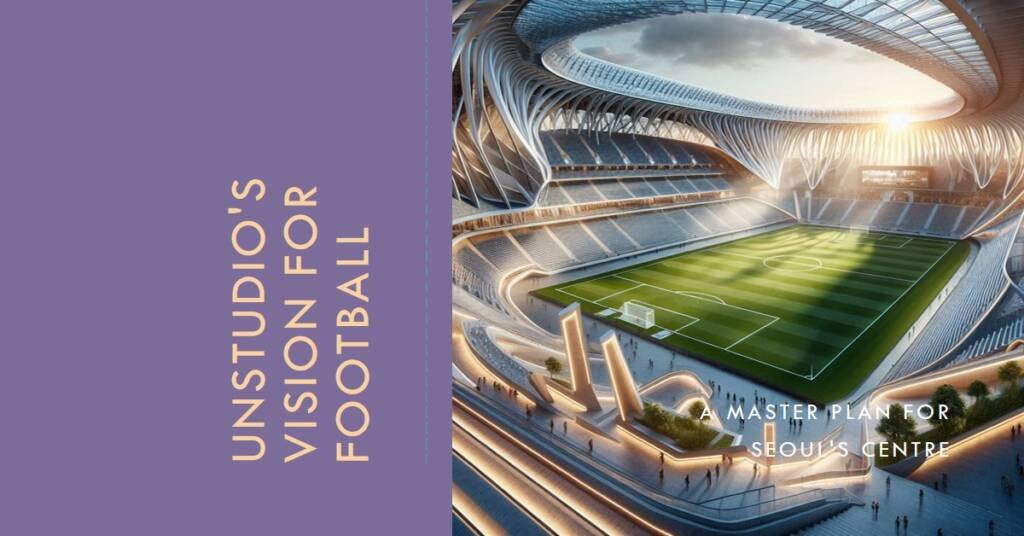
Lastly, the modern aesthetic of the project is evident in its clean lines, innovative structures, and an overall harmonious composition. Each design decision reflects a contemporary approach that is balanced with functionality, ensuring that the centre will remain relevant and inspirational. This combination of sustainability, community focus, and modern aesthetics positions UnStudio’s master plan as a forward-thinking proposal for the Korean National Football Centre, addressing both current and future challenges in the realm of sports architecture.
Key Features of the Master Plan
The master plan for the Korean National Football Centre, designed by UnStudio, incorporates several key features geared towards enhancing both functionality and user experience. One of the most notable aspects of the design is its innovative architecture, which prioritizes not just aesthetics but also performance. The use of sustainable materials and advanced construction techniques ensures that the facility remains environmentally friendly while also meeting the demands of elite athletic training.
The landscaping throughout the centre is indicative of an integrated approach to design. By harmonizing with the surrounding natural environment, the landscaping not only enhances the visual appeal but also provides essential green spaces for relaxation and recreation. Walking paths, seating areas, and gardens are all strategically placed to encourage movement and interaction among athletes, visitors, and staff. This thoughtful integration of nature aims to foster a sense of community, making the centre a vibrant hub for football enthusiasts.
Another significant feature of the master plan is its focus on accessibility. Designed with athletes and visitors of all backgrounds in mind, the layout ensures that facilities are easy to navigate. Key areas, such as training fields, cafeterias, and restrooms, are connected through well-planned pathways that minimize travel distance while maximizing convenience. Additionally, the infrastructure includes specialized amenities suited for the unique needs of various user groups, creating a seamless experience throughout the centre.
Ultimately, the combination of innovative design elements, inviting landscaping, and practical infrastructure within the master plan will elevate the Korean National Football Centre into a landmark facility. This holistic approach not only meets the immediate needs of athletes and visitors but also promotes a future-focused vision that aligns with the growing popularity of football in the region.
Sustainability and Environmental Considerations
The Master Plan for the Korean National Football Centre in Seoul, developed by UnStudio, places significant emphasis on sustainability and the integration of environmentally conscious practices. By prioritizing energy efficiency in design and operation, the centre aims to significantly reduce its carbon footprint. Innovative technologies such as solar panels and geothermal heating systems will be incorporated, allowing the facility to harness renewable energy sources and minimize reliance on fossil fuels. This approach not only aligns with global sustainability trends but also enhances the overall efficiency of the operations.
Water management is another critical aspect of the sustainability measures being implemented. The design includes rainwater harvesting systems, which will collect and store rainwater for irrigation and non-potable uses within the centre. Additionally, the landscaping plans feature drought-resistant plant species that require minimal watering, thereby promoting conservation of this vital resource. These initiatives demonstrate a commitment to responsible resource management, crucial in an era where water scarcity is becoming increasingly prevalent.
Moreover, the use of eco-friendly materials is a cornerstone of UnStudio’s master plan. The selection of sustainable building materials not only minimizes environmental impact but also promotes health and well-being for the occupants. Materials that are sourced locally help reduce transportation emissions, while products with low volatile organic compounds (VOCs) contribute to improved indoor air quality. By ensuring that the construction of the Korean National Football Centre adheres to stringent sustainability standards, UnStudio is fostering a safe and healthy environment for athletes, visitors, and the broader community.
Through the meticulous integration of these sustainability measures, UnStudio’s master plan not only reflects a commitment to reducing environmental impact but also sets a precedent for future sports and recreational facilities. The emphasis on energy efficiency, effective water management, and the use of eco-friendly materials exemplifies how architecture can harmonize with nature, promoting sustainable practices in sports and recreation.
Impact on the Local Community
The Korean National Football Centre (KNFC) in Seoul is poised to significantly influence the local community in several ways. One of the primary benefits expected from the Centre is improved access to state-of-the-art sports facilities. The KNFC will not only cater to professional athletes but will also be designed to be accessible for local residents and youth. This enhancement in infrastructure will provide a venue for various sports activities, encouraging physical fitness and promoting healthy lifestyles among community members.
Furthermore, the Centre aims to create numerous opportunities for youth engagement through various programs and initiatives. By hosting workshops, coaching clinics, and training camps, the KNFC will empower local youth to develop their skills in football and other sports. These initiatives can foster a sense of community and teamwork, as well as contribute to forging relationships among individuals from different backgrounds. Such programs have the potential to uplift the youth population, steering them towards positive activities and away from negative influences.
In addition to social benefits, the KNFC is anticipated to have a significant economic impact on the local area. The establishment of this Centre will likely spur increased tourism, as fans, teams, and visitors flock to events and matches hosted at the facility. This influx of tourists could lead to job creation and improved business opportunities for local shops and restaurants, thereby strengthening the regional economy. Importantly, the planning process for the KNFC has involved gathering community feedback to ensure that the development aligns with the interests and desires of local residents. Engaging with the community during this stage reflects a commitment to improving the overall quality of life for those living in proximity to the Centre.
Timeline and Future Developments
The Korean National Football Centre is poised to become a state-of-the-art facility, enhancing the landscape of sports in Seoul. The timeline for this ambitious project outlines vital phases of development, from conception to completion. Initial planning commenced in early 2022, with feasibility studies undertaken to ensure the centre meets the needs of both athletes and the local community.
The groundbreaking ceremony was held in late 2023, marking a significant milestone in the construction phase. This event highlighted the commitment of various stakeholders, including the South Korean government and UnStudio, the architectural firm responsible for the design. Construction is projected to be completed by mid-2025, with the centre expected to officially open its doors to the public shortly thereafter.
Development phases will include the erection of training facilities, administrative offices, and accommodation for athletes. The architectural vision emphasizes not only functionality but also aesthetic appeal, merging environmental sustainability with modern design, thereby offering a comprehensive venue for events and ongoing development programs.
Future expansions are already being contemplated. Stakeholders are discussing additional facilities that may include a medical treatment center specifically designed for athletes, which underscores the importance of health and well-being in sports. Beyond physical infrastructure, plans for community engagement initiatives are also in the pipeline, aiming to foster a connection between the Korean National Football Centre and local schools, clubs, and the greater public.
The timeline reflects a clear commitment to both immediate and long-term objectives, ensuring that the centre not only serves as a hub for national and international football but also becomes a vital part of Seoul’s urban fabric. The readiness to accommodate various sporting events will enhance the cultural significance of the centre and elevate the standard of football in Korea.
Stakeholder Involvement and Collaborations
The development of the Korean National Football Centre in Seoul stands as a testament to the importance of stakeholder involvement and collaborative efforts. At the heart of this project is the Korea Football Association (KFA), which is instrumental in guiding the overall vision and objectives for the centre. Their role extends beyond mere organizational framework; the KFA actively engages with a diverse group of stakeholders to ensure that the centre meets the needs of football at various levels, from grassroots initiatives to professional leagues.
In addition to the KFA, several government entities play a crucial role in this undertaking. Local and national government representatives have provided necessary support and resources, facilitating the permit process and ensuring that the project aligns with existing urban development plans. Their involvement has been particularly vital in navigating regulatory frameworks and securing funding mechanisms that bolster the project’s financial sustainability. Moreover, collaboration with governmental bodies ensures compliance with public policies, establishing a robust platform for future developments.
Local organizations and community groups have also been integral participants in the planning and design processes. By holding consultations and workshops, these entities have voiced community concerns and aspirations, providing valuable insights that reflect the needs of future users. Such interactions have fostered a sense of ownership among local residents and stakeholders, further enhancing the project’s community-driven narrative.
The collaborative efforts showcased in this project illustrate how multiple viewpoints and expertise contribute to a comprehensive understanding of the centre’s impact. This interconnectedness among the various stakeholders ensures that the Korean National Football Centre not only serves as a hub for athletic excellence but also as a model for communal engagement and support in the realm of sports development.


Conclusion and Vision for the Future
UnStudio’s master plan for the Korean National Football Centre in Seoul represents a holistic approach to sport, community, and culture. This innovative design not only embodies a state-of-the-art sports facility but also emphasizes the importance of creating a vibrant cultural landmark that enriches the local community. By integrating cutting-edge infrastructure with sustainable practices, the centre is poised to become a pivotal part of South Korea’s football landscape.
The vision for this centre extends beyond mere athletic training; it is designed to inspire future generations of football players and enthusiasts. By fostering community engagement through inclusive programs and activities, the Korean National Football Centre aims to bridge the gap between sport and society. The facility intends to serve as a gathering space, encouraging social interaction and promoting a sense of belonging among diverse populations.
Additionally, the emphasis on sustainability throughout the master plan showcases a commitment to environmental stewardship. With eco-friendly designs and practices, the centre illustrates how sports facilities can contribute positively to their surroundings. The integration of green spaces, energy-efficient systems, and rainwater harvesting potential exemplifies a progressive mindset towards responsible development.
In conclusion, the Korean National Football Centre is not merely a venue for football; it is envisioned as a dynamic space that nurtures athletic excellence and cultural enrichment. By investing in such a facility, South Korea is not only enhancing its capabilities in sports but is also laying the groundwork for future generations to thrive both on and off the pitch. This master plan is a significant step towards an eclectic sports culture that values community wellness and sustainable development, establishing a legacy for years to come.