


Table of Contents
- Introduction to the Dutch Royal Palace
- The Historical Context of the Royal Palace
- Contemporary Challenges Facing the Royal Palace
- Modern Architectural Perspectives
- Art and Culture: Reinventing Royal Traditions
- Visitor Engagement Strategies
- The Role of Social Media in Modernizing the Palace’s Image
- Case Studies: Other Royal Palaces Embracing Modernization
- Conclusion: Balancing Tradition and Innovation
Introduction to the Dutch Royal Palace
The Dutch Royal Palace, known as the Koninklijk Paleis Amsterdam, is a prestigious landmark situated in the heart of Amsterdam. Initially constructed as a city hall in the 17th century, this remarkable building was converted into a royal palace during the reign of King Louis Napoleon and later became a symbol of the Dutch monarchy. Its architectural design reflects the grandeur of the Dutch Golden Age, characterized by its neoclassical elements that blend harmoniously with Baroque influences. The palace, designed by the architect Jacob van Campen, features exquisite façades adorned with classic sculptures and grand columns that exemplify the high standards of craftsmanship of the period.
As one of the primary residences of the Dutch royal family, the palace plays an essential role in the ceremonial and official functions of the monarchy. It serves as a venue for state receptions, royal weddings, and other significant events that are integral to the cultural fabric of the Netherlands. The royal palace is not only a place of administrative significance but also a cultural treasure, housing a collection of valuable artworks and historic artifacts that narrate the rich history of the Dutch royal lineage. Visitors to the palace can explore its opulent interiors, including the magnificent marble floors and lavishly decorated rooms, which highlight the royals’ commitment to preserving their heritage.
The significance of the Dutch Royal Palace extends beyond its architectural beauty and historical importance; it stands as a symbol of national pride and unity. The palace embodies the resilience of the Dutch monarchy through years of transformation and modernization, showcasing the evolving relationship between the monarchy and its people. As society progresses, the palace continues to embrace change while maintaining its core identity, solidifying its status as a pivotal institution in the Netherlands.
The Historical Context of the Royal Palace
The Dutch Royal Palace, known as the Koninklijk Paleis Amsterdam, has a rich and multifaceted history that reflects the evolution of Amsterdam and the Dutch monarchy. Originally constructed in the 17th century, the building was designed by architect Jacob van Campen and served as the city hall of Amsterdam. Its construction during the Dutch Golden Age symbolized the city’s affluence and burgeoning power, showcasing the remarkable achievements in architecture, art, and commerce that characterized this period.
In 1808, under the reign of King Louis Napoleon, the building underwent a significant transformation from a municipal government institution into a royal residence. The French influence introduced lavish decorations, including exquisite furnishings and art, further enhancing the palace’s stature. This transition marked a pivotal point in the history of the Royal Palace, showcasing not only the grandeur of the monarchy but also the shifting political landscape of the Netherlands.
Contemporary Challenges Facing the Royal Palace
The Dutch Royal Palace, a historic and architectural symbol of the nation’s monarchy, faces a multitude of contemporary challenges that reflect the evolving landscape of society. As the world around it progresses, the palace grapples with maintaining its relevance in a rapidly changing environment. One key issue at hand is its ability to engage meaningfully with the public while preserving its traditional significance. The expectations of today’s society often clash with the customs and protocols that have long characterized royal institutions.
Modern sovereigns are increasingly called upon to bridge the gap between heritage and contemporary relevance. Questions arise regarding the extent to which the Royal Palace should embrace modernization, especially in its ceremonies, public appearances, and outreach efforts. The use of social media, for instance, presents opportunities for the monarchy to connect with citizens in ways that were previously unimaginable. This shift demands a delicate balance, where the essence of the royal traditions is honored while simultaneously catering to the modern populace’s interests and informational needs.
Moreover, public engagement initiatives have become paramount as royal institutions seek to strengthen their connection with citizens. Programs aimed at making the palace more accessible and relatable, such as guided tours and educational projects, face scrutiny regarding how deeply they can engage without diminishing the institution’s revered status. These efforts must consider diverse perspectives to ensure that they do not alienate any segments of society, particularly those who may view the monarchy as an outdated concept.
In summary, the Dutch Royal Palace stands at a crossroads, where historical integrity is pitted against the demands of a contemporary society yearning for participative engagement. Balancing these elements poses a significant challenge but also offers an opportunity to redefine the palace’s role in the modern era.
Modern Architectural Perspectives
The Dutch Royal Palace, a significant symbol of the Netherlands’ rich heritage, stands at the intersection of history and modernity. As architectural trends evolve, the potential for innovative design practices to complement heritage sites like the Royal Palace becomes an exciting area of exploration. Contemporary architecture is increasingly characterized by sustainable initiatives and a commitment to integrating eco-friendly solutions. This alignment of modern aesthetics with historical respect opens new avenues for enhancing the visitor experience while preserving the integrity of such esteemed sites.
One of the primary architectural trends influencing heritage preservation is the concept of adaptive reuse. This approach entails repurposing existing structures, allowing modern functionality to coexist within historic buildings. The Dutch Royal Palace, with its grandiose character, offers an excellent canvas for implementing such techniques. Through thoughtful renovations, it is possible to facilitate contemporary amenities while preserving the Palace’s distinctive historical narrative.
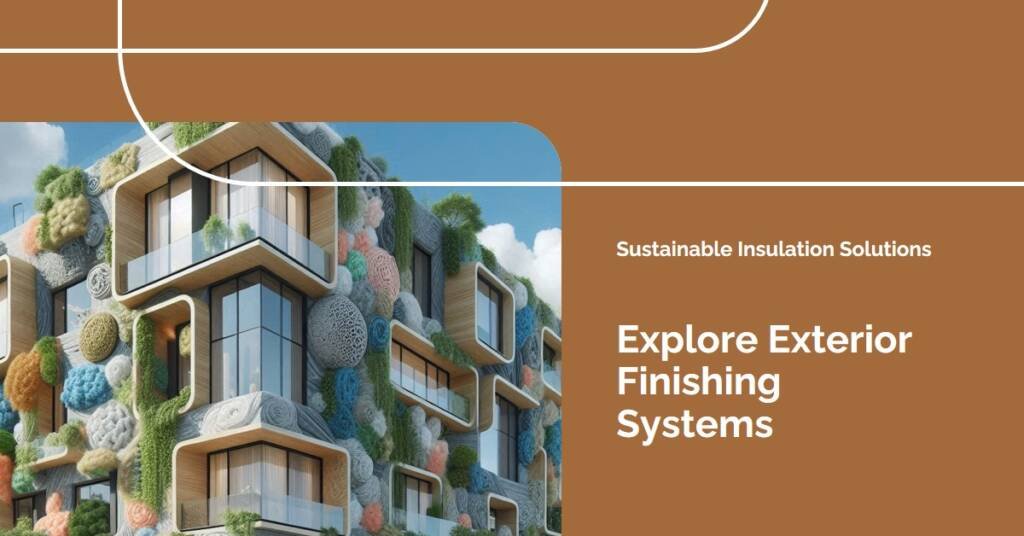
Moreover, sustainability in architectural design promotes the incorporation of green technologies that not only align with environmental standards but also emphasize a commitment to the future. Artists and architects are now utilizing materials and building methods that minimize ecological footprints. For example, integrating energy-efficient systems, utilizing reclaimed materials, and ensuring proper thermal insulation are all viable strategies that enhance performance without compromising the Palace’s historical significance.
In addition to practical applications, innovative design can reinterpret the aesthetic experience of the Dutch Royal Palace. Contemporary artists and architects have the opportunity to create installations that inspire dialogue between the old and the new. By embracing modern nuances within the framework of the historic environment, architects can foster a deeper appreciation for both the art of the past and the potential of the future.
Art and Culture: Reinventing Royal Traditions
The Dutch Royal Palace, an iconic symbol of the nation’s history and its monarchy, is undergoing a transformation that underscores the importance of art and culture in redefining its identity. Embracing change, the palace is not merely a static monument but a vibrant space where contemporary artistic expressions meet time-honored traditions. This evolution serves to foster a dialogue between the past and the present, inviting citizens and visitors alike to engage with the royal institution in innovative ways.
Exhibitions and installations play a crucial role in this transformative journey. By showcasing contemporary artists, the palace becomes a platform for dialogue and exchange across various disciplines. These exhibitions allow artists to interpret the royal history in fresh and thought-provoking ways, often challenging preconceived notions about monarchy and tradition. In doing so, they breathe new life into the palace, inviting a broader audience to connect with its heritage. The integration of modern design elements within traditional settings fosters an environment where past and present coexist harmoniously, enriching the visitor experience.
Moreover, interdisciplinary projects that combine diverse art forms—such as performance, installation, and digital media—can further invigorate the palace’s cultural offerings. Such initiatives encourage collaboration between artists, curators, and historians, leading to multifaceted interpretations of royal narratives. This reimagining of royal traditions through art not only preserves the palace’s historical significance but also positions it as a dynamic cultural hub that reflects contemporary societal values.
In this way, the Dutch Royal Palace is redefining its role in the cultural landscape. By embracing art and culture, the palace invites dialogue, promotes accessibility, and ultimately strengthens its connection to the public. As these initiatives continue to unfold, they offer a promising glimpse into a future where tradition and innovation coexist seamlessly.
Visitor Engagement Strategies
To enhance visitor engagement at the Dutch Royal Palace, a contemporary approach focusing on innovative technologies, interactive experiences, and educational programs is essential. These strategies aim to create a more immersive environment that captivates a diverse audience, particularly the younger generation, which is increasingly drawn to multisensory experiences.
One of the leading strategies is the integration of augmented and virtual reality (AR and VR) technologies. By utilizing these immersive tools, visitors can explore the palace’s historical significance and architectural beauty in new and exciting ways. For instance, AR applications can provide additional context about the artworks and historical figures while VR experiences can transport visitors to historic events, making the rich history of the Royal Palace more relatable and memorable.
Moreover, creating interactive exhibits can greatly enhance visitor participation. Incorporating touch screens and interactive displays allows visitors to engage with the content at their own pace. This encourages a deeper understanding of the palace’s history and invites personal reflection. Educational programs, including guided tours led by knowledgeable staff and themed workshops focusing on Dutch history and culture, can further enrich the visitor experience. These programs can be complemented by partnerships with local schools, ensuring that the younger demographic finds the palace both relevant and engaging.
Additionally, leveraging social media platforms can serve as a means to reach a broader audience. By encouraging visitors to share their experiences digitally, the Palace can maintain a continuous dialogue and foster a community of enthusiasts. Hosting events and exhibitions that resonate with current cultural trends will also attract a younger audience to the palace, aligning its historical significance with contemporary themes. In essence, adopting these innovative strategies will significantly enhance visitor engagement, ensuring that the Dutch Royal Palace remains a vibrant part of the cultural landscape.
The Role of Social Media in Modernizing the Palace’s Image
The advent of social media has fundamentally transformed how institutions engage with the public, and the Dutch Royal Palace is no exception. With platforms like Instagram and Twitter gaining prominence, the palace has the opportunity to reshape its narrative and connect more intimately with citizens. Through visually captivating posts on Instagram, the Palace can showcase not only its architectural beauty but also its historical significance and current events, creating a dynamic visual experience for its audience.
Twitter, on the other hand, serves as an excellent platform for real-time communication. It allows the Royal Palace to promptly inform the public about upcoming events, ceremonies, and relevant updates. By doing so, the Palace can actively engage with followers, responding to queries and fostering dialogue that humanizes the institution. This two-way communication can significantly enhance public perception, making the Dutch Royal Palace appear more approachable and in touch with contemporary societal values.
Furthermore, utilizing social media for educational content can help demystify royal traditions and practices. The palace can share insights into historical artifacts, royal customs, and the significance of various ceremonies. This approach integrates modern storytelling techniques that resonate with younger audiences, thereby fostering a sense of connection and appreciation for heritage. By highlighting events such as public openings and community engagements through these platforms, the palace reinforces its commitment to accessibility and transparency.
As social media continues to play a pivotal role in modern communication, its integration into the image of the Dutch Royal Palace demonstrates a conscious effort to embrace change and innovation. This strategy not only cultivates a favorable public perception but also reinforces the palace’s relevance in a contemporary context, paving the way for future developments.
Case Studies: Other Royal Palaces Embracing Modernization
Several royal palaces around the globe have successfully navigated the delicate balance of preserving history while embracing modernization. One prominent example is Buckingham Palace in London, which has implemented significant sustainability measures. The palace has introduced energy-efficient technologies and improved insulation methods, preserving its historical architecture while reducing its carbon footprint. This commitment to sustainability not only modernizes its operations but also aligns with contemporary societal values, showcasing a model that the Dutch Royal Palace could consider in its own modernization efforts.
Another noteworthy case is the Royal Palace of Stockholm in Sweden, which has undergone extensive renovations to improve visitor accessibility and enhance the overall guest experience. The integration of modern amenities, such as interactive exhibits and augmented reality tours, reflects a shift towards visitor engagement and education. This initiative serves as a reminder for the Dutch Royal Palace of the potential benefits that modern technologies can bring to heritage sites, facilitating a deeper connection with the public and enhancing historical appreciation.
In Spain, the Royal Palace of Madrid has embraced modernization by digitizing its archival documents. This innovation not only preserves the palace’s extensive history but also makes it accessible to a global audience through online platforms. The move aligns with the increasing trend towards digitization in cultural heritage, enabling broader engagement with historical narratives while preserving the integrity of the original texts. Lessons from these modernization efforts highlight the importance of integrating technology not just as a façade, but as a means to enrich the cultural experience of visitors.
These international examples underscore the potential pathways for the Dutch Royal Palace. By studying various innovations that have succeeded in other royal residences, there is a wealth of insight that can inform future modernization efforts at the Dutch Royal Palace. The experiences of these palaces exemplify the successful integration of modern perspectives with historical authenticity, paving the way for a more dynamic and engaging heritage site.
Conclusion: Balancing Tradition and Innovation
In the context of the Dutch Royal Palace, the interplay between tradition and innovation is of paramount importance. This iconic structure, deeply rooted in the nation’s history, serves not only as a residence for the monarchy but also as a venue for cultural and social events. As society progresses, the adaptation of historical landmarks to meet modern expectations becomes essential. The challenge lies in preserving the integrity and significance of the palace while simultaneously integrating contemporary functionalities and designs that resonate with current cultural dynamics.
Future initiatives that aim to modernize the Dutch Royal Palace should adopt a dual approach. This entails maintaining the palace’s historical elements, which offer insight into its storied past, while also introducing innovative solutions that make the space more accessible and relevant to the public. For instance, the incorporation of technology could enhance visitor experiences, allowing for interactive exhibits that educate the audience about the palace’s architecture, royal history, and its impact on Dutch heritage.
Furthermore, engaging with local communities in discussions about potential changes can foster a sense of shared ownership and respect for the palace’s legacy. By involving various stakeholders—including historians, architects, and cultural enthusiasts—into the decision-making process, the palace can ensure that any modifications respect its historical context while reflecting modern societal needs.
The balancing act of preserving tradition while embracing innovation is crucial for the future of the Dutch Royal Palace. By navigating this complex landscape thoughtfully and collaboratively, the palace can continue to serve as a symbol of national pride and a bridge between the past and the future. This strategy will ultimately enrich the visitor experience and ensure that the palace remains a vital part of Dutch culture for generations to come.

