Table of Contents
- Introduction to Capsule Hotels
- The Design and Functionality of Capsule Hotels
- Types of Capsule Hotels
- Cultural Significance of Capsule Hotels in Japan
- Pros and Cons of Staying in a Capsule Hotel
- Comparative Analysis: Capsule Hotels vs. Traditional Hotels
- Notable Capsule Hotels to Experience
- Trends and Innovations in Capsule Hotel Design
- The Future of Capsule Hotels
Introduction to Capsule Hotels
The concept of capsule hotels originated in Japan during the late 1970s, a response to the growing urban population and the subsequent need for efficient lodging solutions. As Japan experienced rapid economic growth, particularly in urban centers like Tokyo, the demand for affordable and convenient accommodation options surged. This environment paved the way for the innovative design of capsule hotels, which prioritize space efficiency while providing essential amenities.
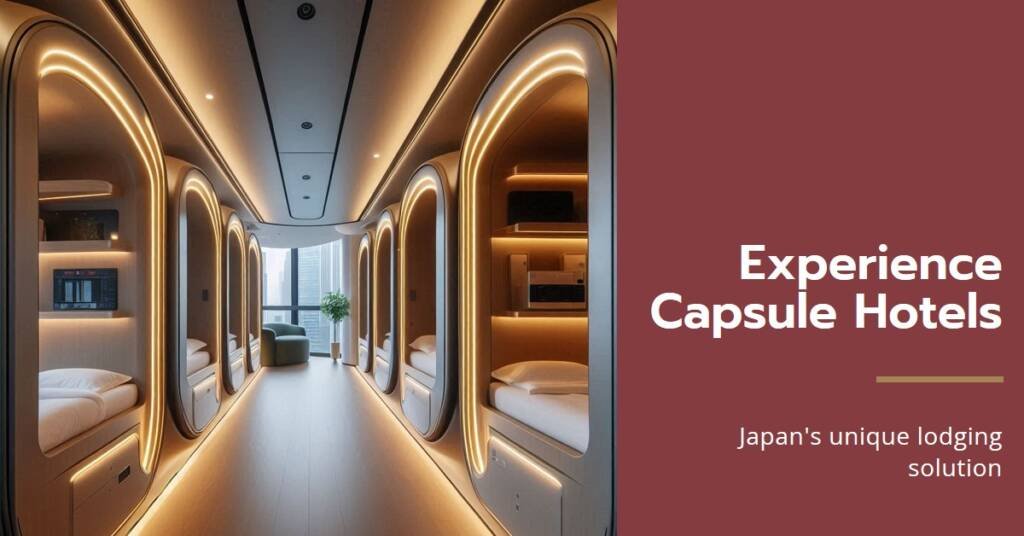
Capsule hotels typically feature small, pod-like sleeping quarters that offer privacy without the spaciousness of traditional hotel rooms. These capsules, which are stacked side by side in tiers, allow for efficient use of vertical space, making them particularly suitable for densely populated urban areas where real estate is at a premium. Each capsule is designed to accommodate a single occupant, equipped with basic necessities such as a mattress, lighting, and sometimes even entertainment options. This concept not only addresses economic concerns but also caters to travelers seeking practicality over opulence.
Over time, capsule hotels have evolved, with many establishments incorporating modern technology and design elements that enhance the guest experience. Contemporary capsule hotels now often offer communal bathrooms, lounge areas, and amenities such as complimentary Wi-Fi, ensuring that guests can enjoy comfort and connectivity even within their compact accommodations. Moreover, this unique lodging option has gained popularity among a diverse range of travelers, from business professionals to backpackers, further solidifying its place in Japan’s hospitality industry.
As we delve deeper into the distinctive features and cultural significance of capsule hotels, it becomes clear that they are more than just a practical solution; they represent a unique intersection of convenience, efficiency, and innovation within Japan’s rich cultural landscape.
The Design and Functionality of Capsule Hotels
Capsule hotels, a unique lodging concept popularized in Japan, are renowned for their innovative architectural designs, which maximize functionality while offering a compact living experience. The typical layout of a capsule hotel consists of numerous stacked sleeping capsules, each measuring around 2 meters in length and 1 meter in width, thus conserving valuable real estate in urban settings where space is at a premium. These capsules are often fitted within a larger communal framework, characterized by shared facilities such as bathrooms, lounges, and dining areas.
The design of the capsules themselves varies significantly among establishments, with features that cater to the comfort and needs of diverse travelers. Many capsules are equipped with essential amenities, including lighting, power outlets, and ventilation systems, ensuring that guests can recharge and stay comfortable during their stay. Some upscale versions even incorporate features like stereo systems and televisions, enhancing the overall experience. The thoughtful use of materials, such as soundproof walls and warm lighting, contributes to a sense of privacy and relaxation despite the compact dimensions.
Furthermore, capsule hotels often utilize a modular design concept, allowing for easy reconfiguration and scalability. This flexibility enables owners to adapt to changing demands in the hospitality market, making capsule hotels a sustainable choice amidst rapid urbanization. The streamlined check-in and check-out processes also play an integral role in their functionality, allowing for quick turnover, which is crucial in bustling cities. Overall, the architectural ingenuity of capsule hotels showcases a blend of efficiency and comfort, making them an appealing option for travelers seeking affordable and accessible lodging without sacrificing quality.
Types of Capsule Hotels
Capsule hotels, a unique and innovative form of accommodation, cater to a diverse range of travelers in Japan. Each type of capsule hotel offers distinct experiences and amenities, appealing to different preferences and budgets. The primary categories include business-focused options, luxury versions, and themed designs.
Business-oriented capsule hotels are particularly popular among corporate travelers and those seeking economical lodging during short stays. These facilities often prioritize efficiency and practicality, featuring compact capsules designed for sleeping rather than lounging. Shared amenities, such as communal showers and lounge areas, are standard, allowing guests to maximize their experience while keeping costs low. Many of these hotels also provide essential services such as Wi-Fi, workspaces, and charging stations, ensuring that each guest can maintain productivity even while away from home.
On the other hand, luxury capsule hotels elevate the traditional concept of capsule accommodation. They introduce spacious, designer capsules equipped with high-end amenities, including luxurious bedding, mood lighting, and soundproofing for enhanced privacy. These establishments often offer additional services, such as spa facilities, gourmet dining options, and personalized concierge services. Such luxury capsule hotels redefine guest experiences by combining comfort with cutting-edge technology, thus appealing to those looking for an upscale lodging option.
Themed capsule hotels add an exciting twist to the conventional model, attracting tourists who seek unique experiences during their stay. Themes can vary widely, ranging from historic Japanese influences to pop culture tributes. The carefully curated interior design and decor reflect the chosen theme, creating an immersive atmosphere. Additionally, many themed capsule hotels incorporate spaces for social interaction, enhancing the guest experience and fostering a sense of community among visitors.
With innovative designs and diverse offerings, it is clear that capsule hotels in Japan cater to a broad spectrum of guests, merging functionality with creativity to deliver memorable lodging experiences.
Cultural Significance of Capsule Hotels in Japan
Capsule hotels have emerged as a distinctive facet of Japan’s accommodation landscape, encapsulating the country’s innovative approach to space and efficiency. Originating in Osaka in the late 1970s, these unique lodging options were initially conceived to address the needs of salarymen who often found themselves working long hours and requiring affordable accommodations for short stays. Today, capsule hotels serve a variety of demographics, catering not only to local workers but also to international tourists and transient travelers seeking economical yet comfortable lodgings.
In the post-war era, as Japan experienced rapid urbanization and economic expansion, the concept of capsule hotels became emblematic of the nation’s pragmatic lifestyle. These hotels maximize limited urban space, focusing on functionality without sacrificing comfort. The compact design reflects traditional Japanese values of minimalism and efficient use of available resources, making them appealing to those familiar with the cultural notions of simplicity and order.
While initially perceived as a niche market, the acceptance of capsule accommodations has grown significantly in recent years. Contemporary capsule hotels have evolved from their basic predecessors into stylish, technologically integrated environments, often featuring amenities such as Wi-Fi, personal charging stations, and even communal lounges. This evolution illustrates a shift in societal perceptions, as capsule hotels are increasingly viewed as trendy and viable alternatives to traditional lodging options. Moreover, they are particularly popular among younger travelers and backpackers who appreciate the blend of affordability and modern comforts.
In essence, capsule hotels symbolize the intersection of Japan’s rich cultural heritage and its progressive tendencies. They offer unique insights into the Japanese way of life, portraying a society that finds harmony in efficiency, community, and innovation. As Japan continues to welcome an influx of diverse visitors, the capsule hotel phenomenon reflects an enduring adaptability, catering to the evolving needs of its society and the global market.
Pros and Cons of Staying in a Capsule Hotel
Capsule hotels have emerged as a distinctive accommodation option, particularly in Japan, appealing to a wide array of travelers. One of the most significant advantages of staying in a capsule hotel is affordability. These hotels generally offer lower rates compared to traditional hotels, making them an attractive choice for budget-conscious travelers. For instance, a traveler might find a capsule hotel conveniently located near a train station for a fraction of the cost of a nearby standard hotel, allowing them to allocate more budget towards activities and experiences.
Convenience is another notable benefit. Capsule hotels are often strategically located in urban areas, providing easy access to public transportation, dining, and entertainment options. This proximity allows travelers to maximize their time and experience the local culture without the hassle of long commutes. Moreover, the unique experience of staying in a capsule hotel cannot be understated. Many guests appreciate the novelty and compact design, which can make their stay memorable and distinctive compared to conventional lodging.
However, staying in a capsule hotel is not without its drawbacks. Privacy is often a significant concern, as guests share common areas such as bathrooms and lounge spaces. Individuals traveling with friends or family might find it challenging to navigate the lack of personal space, as the capsules themselves offer limited room for movement and belongings. Additionally, space constraints can be a downside; travelers accustomed to spacious accommodations may feel overwhelmed in such confined quarters. Despite these challenges, many guests find a balance between comfort and functionality, prioritizing the unique atmosphere over traditional comforts.
In conclusion, while capsule hotels provide a cost-effective and unique lodging experience, potential guests should weigh the advantages against the limitations to ensure that their choice aligns with their travel preferences and needs.
Comparative Analysis: Capsule Hotels vs. Traditional Hotels
When considering lodging options in Japan, travelers often find themselves weighing the pros and cons of capsule hotels against traditional hotels. Capsule hotels are famously compact, offering a uniquely efficient use of space. These establishments typically feature small sleeping pods, designed for privacy yet with minimal personal space, which stands in stark contrast to the more generous accommodations found in traditional hotels. For budget-conscious travelers or those seeking a quick overnight stay, capsule hotels provide an invaluable solution, often at a fraction of the cost of traditional all-inclusive lodgings.
Cost is a defining factor in this comparison; capsule hotels allow guests to save significantly on accommodation expenses. A typical night in a capsule hotel can be 50-70% lower than a comparable rate at a traditional hotel. This cost-effectiveness appeals particularly to solo travelers and backpackers looking for economical options without sacrificing essential comfort. However, it’s critical to note that the reduced price often comes with limited amenities, potentially lacking features like en-suite bathrooms or 24-hour room service, which are commonplace in more conventional settings.
In terms of comfort, traditional hotels offer spacious rooms with varying degrees of luxury and personalized services, catering to families or business travelers who may require more extensive accommodations. Capsule hotels, while innovative, may not suit everyone, especially those who prioritize space and comfort in their lodging experience. Furthermore, the atmosphere at a capsule hotel tends to be more communal, which may appeal to sociable travelers but could be a drawback for those valuing privacy.
Finally, the choice between these two lodging options should reflect individual preferences and travel circumstances. For short stays, budget constraints, or a taste for novelty, capsule hotels can be an excellent choice. Conversely, traditional hotels remain preferable for longer stays where comfort and facilities take precedence. Understanding these distinctions will help travelers make an informed decision on their accommodations in Japan.
Notable Capsule Hotels to Experience
Capsule hotels have become synonymous with Japan’s innovative approach to accommodation, maximizing space while prioritizing comfort and functionality. Here, we explore a selection of noteworthy capsule hotels that offer a blend of unique features and exceptional experiences, appealing to both domestic and international travelers.
The 9 Hours capsule hotel, located in Kyoto, stands out for its minimalist design and focus on rejuvenation. Each capsule features a sleek, modern aesthetic that encourages a restful ambiance. Guests can enjoy a separate area for showers and relaxation, ensuring that comfort is not sacrificed in the name of efficiency. The hotel’s location near Kyoto’s historical sites adds to its allure, allowing visitors to easily explore the cultural richness of the area.
In Tokyo, the Capsule Hotel Anshin Oyado Premier is a luxurious take on the traditional capsule concept. This hotel provides not only capsules but also a wide array of amenities including spacious bathroom facilities, a lounging area, and complimentary services such as breakfast and Wi-Fi. Conveniently positioned in Shinjuku, it serves as a perfect launching point for tourists eager to experience the vibrant nightlife and shopping opportunities that the district offers.
Similarly, the First Cabin chain, featuring several properties across Japan, presents a unique lodging experience. It combines the efficiency of capsule hotels with the spaciousness of hotel rooms, offering “first-class” and “business” cabins. Each cabin is equipped with essential amenities while maintaining a private atmosphere, appealing to both business travelers and tourists seeking comfort with an elevated touch.
These examples illustrate the diversity and adaptability of capsule hotels in Japan’s hospitality landscape. Each establishment is designed to enhance the guest experience while making efficient use of space, solidifying capsule hotels as a significant element in the modern travel experience.
Trends and Innovations in Capsule Hotel Design
The capsule hotel industry has undergone significant transformations in recent years, adapting to the evolving demands of modern travelers. One of the most apparent trends is the integration of advanced technology into the capsule experience. Many establishments are now utilizing smart systems, enabling guests to control lighting, climate, and entertainment options through their smartphones or in-capsule tablets. This technological advancement not only enhances guest comfort but also streamlines operations within the hotel, contributing to overall efficiency.
Furthermore, eco-friendly designs have gained traction in the capsule hotel market. As sustainability becomes a priority for many travelers, hotels are making conscious efforts to reduce their environmental impact. This includes the use of energy-efficient lighting, recyclable and biodegradable materials, as well as water-saving fixtures. Such eco-initiatives resonate well with a growing segment of environmentally conscious tourists, reflecting a broader trend in the hospitality sector towards more sustainable practices.
Enhanced guest experience is another focal point in the recent evolution of capsule hotels. Beyond simply providing a convenient place to rest, many establishments are now designing communal spaces that encourage social interaction. These areas may include lounges, game rooms, and even co-working spaces, fostering a sense of community among guests. By prioritizing social elements, capsule hotels are redefining the traditional lodging experience, appealing to a diverse demographic ranging from solo travelers to groups.
These trends and innovations not only showcase the adaptability of the capsule hotel concept but also how it aligns with the changing landscape of travel and hospitality. By focusing on technology, sustainability, and guest engagement, the capsule hotel industry is poised to cater to the preferences of today’s travelers while maintaining its hallmark efficiency and affordability.

The Future of Capsule Hotels
The future of capsule hotels appears promising, as evolving travel trends, urbanization, and economic dynamics continue to shape the hospitality landscape. Initially born in Japan, capsule hotels have emerged as an economical lodging solution, addressing the needs of budget-conscious travelers and urban dwellers seeking efficient accommodations. As global travel resumes post-pandemic, the curiosity around unique and compact lodging experiences is likely to increase, paving the way for capsule hotels to penetrate new markets.
One significant factor driving the future of capsule hotels is urbanization. As more people migrate to metropolitan areas, the demand for affordable and innovative sleeping arrangements has surged. Capsule hotels provide an attractive alternative, offering essential amenities in a compact space while optimizing land use. Cities facing intractable housing shortages may find capsule hotels a viable option, effectively contributing to sustainable urban development.
Furthermore, economic factors must be considered. In times of economic uncertainty, travelers may prioritize cost-effective lodging options, thus fostering a favorable environment for the growth of capsule hotels. These establishments often feature lower prices than conventional hotels while maintaining a unique experience, appealing to both tourists and locals. Additionally, the advent of technology has paved the way for smart capsule hotels, integrating innovations such as contactless check-in and personalized services to enhance guest experiences.
Moreover, as global travel becomes increasingly interconnected, the concept of capsule hotels is likely to resonate in different cultures and regions. Countries with high population density and a burgeoning travel culture may embrace the idea of capsule accommodations, adapting them to fit local customs and needs. This adaptability could signify a crucial component in the future evolution of capsule hotels, presenting opportunities for international expansion and cultural integration.