Table of Contents
- Introduction to the MetLife Building
- Architectural Features and Design
- Historical Context and Evolution
- Cultural Impact and Recognition
- Sustainability Initiatives and Modernization Efforts
- The Role of Technology in Redefining Corporate Spaces
- Public Accessibility and Community Engagement
- Future Prospects and Developments
- Conclusion: Legacy and Future of an Icon
Introduction to the MetLife Building
The MetLife Building, an engineering marvel located in the heart of Midtown Manhattan, stands as a testament to the ingenuity and ambition of 20th-century architecture. Originally constructed in 1963, this skyscraper was designed to serve as the corporate headquarters for the Metropolitan Life Insurance Company, a role it proudly maintained for several decades. The design of the building, which features a distinct and robust modernist style, has allowed it to claim a prominent position within New York City’s iconic skyline.
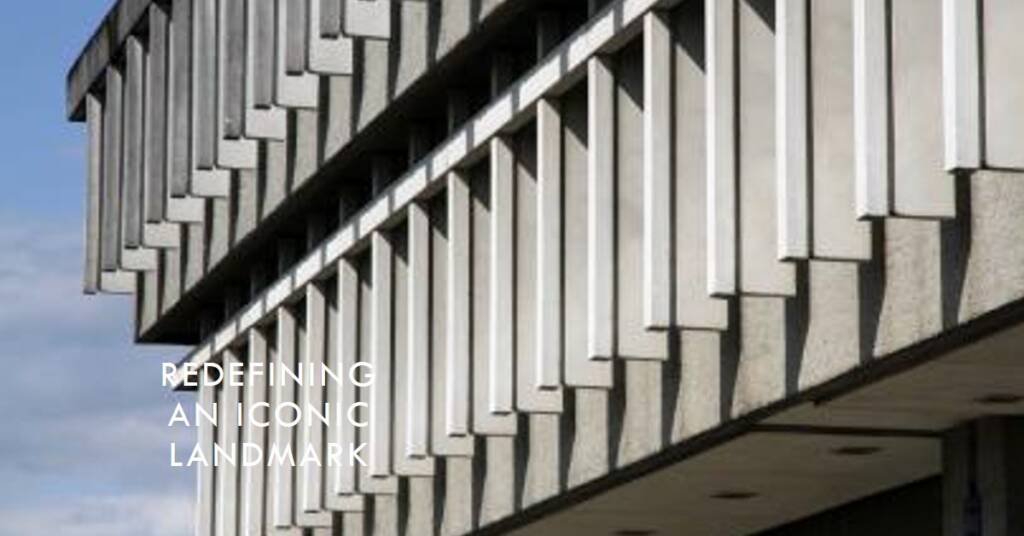
Measuring 804 feet in height and encompassing 59 stories, the MetLife Building represents a significant achievement in structural engineering. Its sleek glass and aluminum façade is complemented by a striking roof profile, which is often noted for its impressive silhouette against the urban landscape. The building’s mass and form have contributed to its iconic status, ensuring that it remains one of the most recognizable structures in New York City.
Beyond its physical attributes, the MetLife Building holds great historical significance. Initially, it was one of the largest office buildings in the world at the time of its completion, marking a pivotal moment in the expansion of corporate America. The building’s design elements, such as the prominent use of the sky lobby and its forward-thinking facilities, set a new standard for office spaces, influencing future architectural endeavors across the globe. Further cementing its legacy, the MetLife Building symbolizes corporate heritage, reflecting the evolving nature of business and finance during a transformative period in American history.
Architectural Features and Design
The MetLife Building, a remarkable structure located in Midtown Manhattan, exemplifies the mid-century modern architectural style. Completed in 1963, this towering edifice stands at an impressive height of 700 feet, making it one of the tallest buildings in New York City. Its robust, rectangular form and expansive glass facade are characteristic of the modernist movement, embodying both functionality and aesthetic appeal.
One of the most notable aspects of the MetLife Building’s design is its distinctive use of materials. The building’s exterior is clad in a combination of aluminum and glass, which not only enhances its sleek appearance but also allows for abundant natural light to illuminate the interior spaces. This choice of materials is emblematic of the era’s architectural trends, which prioritized the integration of innovative materials with bold design concepts. Furthermore, the structural elements such as the Vierendeel truss system contribute to the building’s stability while allowing for open floor plans, a significant advantage for corporate tenants.
From a contextual perspective, the MetLife Building is strategically positioned in the Manhattan skyline, flanked by other iconic structures. Its proximity to the iconic Empire State Building lends a sense of historic continuity to the skyline, while its modernist features showcase the evolving architectural landscape of New York City. The building’s placement within the surrounding urban environment not only enhances its visibility but also reinforces its status as a corporate landmark.
As observers gaze upon the MetLife Building, they are confronted with an architectural marvel that encapsulates the spirit of mid-century modernism. With its blend of innovative materials, structural ingenuity, and distinctive form, it serves as a testament to the architectural advancements of its time and remains a significant feature of the New York City skyline.
Historical Context and Evolution
The MetLife Building, originally known as the Pan Am Building, stands as a testament to the corporate ambitions of the 1960s in America. Erected in 1963, the construction of this skyscraper was deeply rooted in the economic conditions of the period. The post-World War II era witnessed an economic boom, characterized by rising prosperity and an increasing demand for commercial space. This environment spurred significant urban development, as cities sought to accommodate the burgeoning corporate landscape. As a result, the MetLife Building emerged not just as a building but as a symbol of corporate power and modern architectural design.
The architectural vision for the MetLife Building was influenced heavily by the prevailing trends of the 1960s, including the fascination with modernism and the shift toward creating vertical spaces in urban areas. The structure’s significant height, designed to be both functional and visually striking, embodied the aspirations of a nation undergoing rapid growth and transformation. Its location above the Grand Central Terminal further integrated it into the cultural fabric of New York City, making it accessible and recognizable to millions.
Over the years, the MetLife Building has experienced various renovations and upgrades to maintain its relevance and functionality in an ever-evolving urban landscape. Notably, the addition of energy-efficient systems and enhancements to its façade reflect broader trends in sustainability and modernization, allowing the building to adapt to 21st-century requirements. Such renovations not only enhance the building’s operational efficiency but also reaffirm its status as a landmark in corporate America. The MetLife Building continues to evolve, standing as both a relic of the past and a beacon for future developments in urban design and architecture.
Cultural Impact and Recognition
The MetLife Building, an emblem of corporate architecture, has not only influenced the skyline of New York City but has also made significant cultural contributions. Its distinctive design and imposing presence have rendered it a subject of fascination in various forms of popular media and literature. This iconic structure has been featured in numerous films, television shows, and books, often symbolizing ambition and the dynamism of corporate America. For instance, scenes set in and around the MetLife Building have frequently been used to convey themes of power and success, further cementing its status as a corporate icon.
Beyond its appearances in media, the MetLife Building’s architectural significance has led to recognition from various architectural organizations and institutions. The building is often applauded for its modernist design, characterized by its sleek lines and distinctive façade, which represents a departure from traditional architectural styles prevalent in earlier decades. This recognition is reflected in exhibitions at renowned museums and architectural forums where the MetLife Building is featured as a case study in corporate architecture.
Sustainability Initiatives and Modernization Efforts
The MetLife Building, a quintessential part of the New York City skyline, has long been a symbol of corporate strength and resilience. As the world increasingly shifts towards sustainability, the MetLife Building is undergoing substantial modernization efforts aimed at reducing its environmental footprint. These initiatives reflect a broader commitment to sustainable development that resonates with contemporary societal values and environmental standards.
One of the primary areas of focus is the implementation of energy-efficient upgrades throughout the building. The integration of state-of-the-art HVAC systems, which utilize advanced technologies for optimizing indoor climate control, significantly decreases energy consumption. Furthermore, LED lighting installations have replaced traditional lighting, resulting in lower energy usage and longer lifecycle, thereby contributing to sustainability aims.
In addition to energy efficiency, the MetLife Building has embraced green technologies that enhance its operational performance while minimizing ecological impact. These include water conservation measures, such as low-flow plumbing fixtures and a rainwater harvesting system, which collects and repurposes rainwater for irrigation purposes. Such systems not only contribute to reduced water usage but also highlight the building’s commitment to resource sustainability.
Moreover, the building’s efforts to meet contemporary environmental standards have led to the pursuit of certifications from recognized organizations. The alignment with LEED (Leadership in Energy and Environmental Design) standards further demonstrates a commitment to adopting best practices in sustainable building management. As a result, the MetLife Building is not just preserving its historical importance; it is also evolving into a model of sustainability for future generations.
These modernization efforts firmly position the MetLife Building as a leading example of how iconic structures can adapt to meet the challenges of the 21st century while embracing the principles of sustainability. The ongoing initiatives not only enhance the building’s operational efficiency but also serve as an inspiration for similar corporate landmarks striving for sustainability without compromising their legacy.
The Role of Technology in Redefining Corporate Spaces
As the corporate landscape evolves, technology plays a pivotal role in transforming how businesses operate within iconic structures like the MetLife Building. Smart building technology has emerged as a cornerstone in this transformation, providing organizations with innovative solutions that enhance the work environment. These advancements involve integrating intelligent systems that manage energy consumption, space utilization, and employee comfort, ultimately creating efficient and sustainable workplaces.
Facilitated workspaces, made possible by technological innovations, are fundamentally changing the dynamics of corporate offices. The concept of a facilitated workspace emphasizes flexibility and collaboration, allowing employees to adapt their environment as needed. This is increasingly relevant in spaces such as the MetLife Building, where the integration of collaborative technologies, such as video conferencing tools and shared project management platforms, enables teams to work together seamlessly, regardless of their physical location.
Moreover, the rise of remote work has prompted corporations to rethink traditional office layouts and operational strategies. Companies are now adopting hybrid models that combine in-office and remote work, leading to a decrease in fixed office spaces and a more fluid approach to workspace management. The MetLife Building exemplifies this trend, as its expansive areas are being reimagined to accommodate a variety of work styles, including hot desking and communal meeting spaces. This shift not only meets the demands of a diverse workforce but also enables better resource allocation and cost efficiency.
The incorporation of these technological advancements within corporate environments like the MetLife Building underscores the growing importance of adaptability in today’s business world. As organizations continue to embrace modernization, the synergy between technology and corporate spaces will define the future of work, fostering innovation and collaboration in ways not previously imagined.
Public Accessibility and Community Engagement
The MetLife Building has long stood as a significant emblem of corporate architecture within the New York City skyline. In recent years, however, concerted efforts have been made to transform this iconic structure into a space that is not only a hub for business but also accessible and inviting to the public. Various initiatives have been launched to enhance public accessibility, fostering greater community engagement and redefining its role within the urban landscape.
One of the key initiatives focuses on hosting community events, which include open markets, cultural festivals, and art showcases. These events aim to create an inclusive atmosphere, allowing visitors and local residents to experience the building in a novel context. Such programming not only attracts foot traffic but also strengthens the connection between the MetLife Building and the community it inhabits, enabling people to see it as more than just a corporate headquarters.
Moreover, partnerships with local organizations play a pivotal role in enhancing the building’s public presence. Collaborations with nearby schools, cultural institutions, and non-profits have resulted in educational programs and workshops hosted inside the MetLife Building. These partnerships are designed to promote civic pride and responsible stewardship of the landmark, making it a shared space that reflects the values and diversity of the surrounding community.
Art installations have also become an integral part of the MetLife Building’s outreach strategy. By showcasing works from local artists, the building not only beautifies its surroundings but also provides a platform for artistic expression. This initiative serves to engage the community in dialogue about art and culture, further humanizing the corporate environment. Through these combined efforts, the MetLife Building aims to reshape its identity and enhance public perception, positioning it as a true community landmark.
Future Prospects and Developments
The MetLife Building, a significant landmark in the New York City skyline, is poised for exciting future prospects amid an evolving architectural landscape. As urban development trends shift toward sustainability and innovative design, the building is likely to embrace these changes to maintain its relevance and functionality within the city. Upcoming renovations could incorporate modern technology and energy-efficient systems, aligning with the growing emphasis on green architecture.
In recent years, there has been a notable surge in interest regarding the integration of smart technologies within traditional structures. The MetLife Building, with its rich historical significance, presents a unique opportunity to blend its classic design with modern conveniences such as intelligent lighting, smart HVAC systems, and advanced security features. These upgrades could enhance the building’s operational efficiency and appeal to forward-thinking companies looking for workspace that reflects contemporary values.
Additionally, as urban spaces become increasingly dense, there may be potential plans for expansions or adaptive reuses of adjacent properties to create a multi-dimensional experience for visitors and occupants alike. This may involve the development of public spaces, green roofs, or even sky gardens, transforming the building into a more integrated part of the urban fabric. The aim would be to foster community engagement while enhancing aesthetic appeal and functionality.
Furthermore, as the city continues to develop its transportation infrastructure, including increased options for public transport, the MetLife Building’s location remains a significant asset. By capitalizing on proximity to these emerging transit links, the building can attract businesses that prioritize accessibility, thus ensuring its continued prominence in New York City.

Conclusion: Legacy and Future of an Icon
The MetLife Building stands as a testament to architectural ingenuity and corporate ambition, deeply embedded in the skyline of New York City. Originally completed in 1963, the structure has become a symbol of the city’s evolution and resilience. Through decades marked by significant social and technological shifts, this iconic landmark has retained its relevance while adapting to the changing environment around it. The building’s role extends beyond mere office space; it encapsulates the essence of corporate identity and urban life in a bustling metropolis.
As we reflect on the MetLife Building’s legacy, it is essential to recognize its impact as a pioneering example of modernist architecture, contributing to New York City’s rich tapestry of structures. The building’s unique design, characterized by its vast scale and prominent position, has made it a central figure in the urban landscape. Moreover, its incorporation of technological advancements over the years highlights a commitment to sustainability and innovation in architectural practices, marking a new era for skyscrapers in the city.
Looking to the future, the MetLife Building is poised to redefine its iconic status yet again. Modern companies seek workspaces that promote collaboration and well-being, prompting a shift in how such landmark buildings are utilized and perceived. By embracing flexible work environments and catering to the evolving needs of businesses, the MetLife Building is not merely preserving its legacy but actively contributing to the dialogue on the future of urban corporate spaces. This ability to adapt and evolve affirms the MetLife Building’s place in both New York City’s architectural history and its ongoing narrative as a beacon of corporate progress.