Table of Contents
- Introduction to Bobst Library
- The Need for Renovation
- Introducing Joel Sanders Architect
- Key Design Elements of the Renovation
- Technological Innovations
- Flexibility in Learning Spaces
- Sustainable Practices in Design
- User Experience and Community Impact
- Conclusion and Future of Bobst Library
Introduction to Bobst Library
The Bobst Library, located at New York University (NYU) in Greenwich Village, serves as a cornerstone for academic and research activities within the university. Established in 1973, this architectural marvel was designed by the noted firm, Philip Johnson & Associates, and has since become an iconic symbol of the NYU campus. The library’s purpose extends beyond the mere storage of books; it is a vibrant hub for intellectual and academic engagement, boasting extensive collections, study spaces, and technologically advanced resources that cater to the diverse needs of its student and faculty population.
Over the years, Bobst Library has played a significant role in supporting NYU’s mission of fostering a robust academic environment. It houses an impressive array of over 4 million volumes, as well as numerous special collections that include unique manuscripts, rare books, and archives that contribute to scholarly research. The library not only meets practical academic needs but also stands as a collaborative space where students interact with peers and faculty. Its vast resources and open environment are designed to inspire critical thought and innovation.
Architecturally, the Bobst Library reflects modernist design principles and includes striking features such as its large glass façade, which enhances its interior’s natural light. However, its previous state revealed areas in need of improvement, with outdated facilities and insufficient technology impeding the overall academic experience. In recognition of these challenges, the recent renovation undertaken by Joel Sanders Architect aims to revitalize Bobst Library, ensuring that it continues to meet contemporary educational demands while preserving its historical significance within NYU’s academic landscape.
The Need for Renovation
The renovation of NYU’s Bobst Library is a response to evolving user needs and the significant advancements in technology that have transformed educational practices. Historically, libraries served as quiet spaces for individual study and book repositories; however, contemporary educational paradigms emphasize collaboration, accessibility, and flexibility. As the role of a library in academic life continues to shift, it becomes imperative to reassess and remodel these spaces to meet the demands of today’s learners.
One primary reason for the renovation is the changing nature of how students engage with information. In an age where digital resources are increasingly prevalent, libraries must provide environments that accommodate both traditional and modern forms of learning. This includes creating areas where students can work together on projects, host discussions, and engage in group activities. As such, the need for more collaborative spaces within the Bobst Library is apparent, reflecting a move towards dynamic learning environments rather than static collections.
Moreover, rapid technological advancements necessitate the incorporation of modern tools and resources into library settings. The renovation aims to integrate cutting-edge technologies that facilitate digital research, multimedia production, and access to vast online databases. As students increasingly rely on these technologies for their academic pursuits, the library must evolve to support their diverse needs. This integration not only enhances the user experience but also enables students to develop essential skills for the future.
Additionally, the necessity for flexible learning environments cannot be overstated. As educational practices continue to adapt, libraries must offer spaces that can be reconfigured to accommodate varied teaching methods and learning styles. By renovating the Bobst Library, NYU aims to create a facility that is not only a hub for information but also a vibrant community space that supports innovative learning experiences.
Introducing Joel Sanders Architect
Joel Sanders Architect (JSA) is a prominent architectural firm based in New York City, recognized for its commitment to creating innovative and sustainable educational environments. Founded by Joel Sanders, the firm integrates advanced design philosophies with responsive solutions tailored to the needs of academic institutions. Their work has consistently highlighted a deep understanding of space, functionality, and community engagement, which has enabled them to revolutionize educational settings.
With a portfolio that spans various sectors, JSA has garnered numerous accolades for their ability to blend creativity with technical precision. Their projects often approach architecture as a catalyst for engagement, encouraging interaction among users and fostering collaborative learning experiences. Notable past projects include the renovation of the Yale School of Architecture and the design of several public spaces that reflect their commitment to enhancing educational accessibility. This expertise not only showcases their architectural prowess but also underpins their dedication to creating environments that inspire and transform the learning journey.
The selection of Joel Sanders Architect for the renovation of NYU’s Bobst Library stems from their unique vision and proven track record. The firm’s philosophy aligns closely with NYU’s goal of evolving the library into a more dynamic and versatile space for its diverse community. JSA’s approach emphasizes flexibility in design, allowing for both individual study and group collaboration, which is essential in the modern educational landscape. By prioritizing innovative functionalities and sustainable practices, they ensure that the transformed space will serve not just as a repository of books, but as a vibrant hub of academic life. This synergy between the firm’s expertise and NYU’s objectives positions JSA as the ideal partner for this significant renovation project.
Key Design Elements of the Renovation
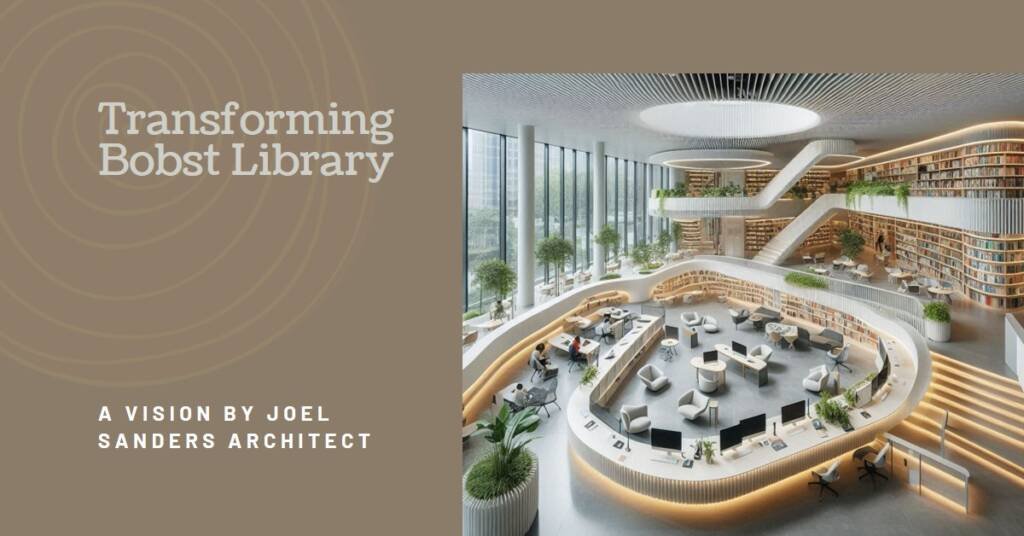
The renovation of NYU’s Bobst Library, orchestrated by the distinguished Joel Sanders Architect, introduces a series of innovative design features aimed at enhancing the functionality and aesthetics of this vital educational space. One of the most notable aspects of the renovation is the reconfiguration of the building’s layout, optimizing the flow and accessibility for users. By implementing a more open and flexible floor plan, the design fosters an environment conducive to collaboration, allowing students and faculty to engage in group work and interactive learning sessions seamlessly.
Materials selected for the renovation reflect a commitment to sustainability while also adding a contemporary touch to the library. The use of reclaimed wood and low-VOC (volatile organic compounds) paints not only diminishes the environmental impact of the construction but also contributes to healthier indoor air quality. This thoughtful integration of sustainable materials demonstrates an understanding of the importance of fostering a responsible relationship between architectural design and ecological preservation.
Moreover, the design incorporates extensive natural lighting, achieved through strategically placed windows and skylights, which not only illuminates the space but also creates a warm and inviting atmosphere. This approach emphasizes the library’s role as a community hub, encouraging users to engage with the spaces around them. Study areas are punctuated with comfortable seating options that invite both individual study and collaborative discussion, bridging the gap between solitude and social interaction.
Another key element is the introduction of technology-rich spaces, which include interactive displays and collaborative workstations equipped with the latest digital tools. This integration of technology not only supports traditional academic activities but also enhances innovative teaching and learning methodologies. Overall, these design elements collectively contribute to the transformation of Bobst Library into a modern center for knowledge and collaboration, reflecting NYU’s commitment to fostering an enriched academic environment.
Technological Innovations
The renovation of NYU’s Bobst Library has not only preserved its architectural integrity but has also introduced a myriad of technological advancements tailored to enhance the educational experience. One of the most significant features integrated into the library is the implementation of smart technology, which responds to both users’ needs and evolving pedagogy. For instance, smart lighting systems adjust intensity based on the time of day and occupancy, ensuring optimal visibility while conserving energy. These systems contribute to a more sustainable environment and support library policies aimed at reducing carbon footprints.
Furthermore, the integration of digital resources plays a pivotal role in the transformation of Bobst Library. The newly renovated library provides an abundance of multimedia resources, enabling students and faculty to access hundreds of thousands of e-books, academic databases, and journals with just a click. With robust Wi-Fi coverage spanning all public areas, users can seamlessly connect their devices and engage with digital content in a more interactive and innovative way. The presence of dedicated areas equipped with high-end technology, including advanced audio-visual facilities, promotes collaboration among students, creating a conducive environment for group projects and discussions.
Moreover, technology is skillfully blended with the library’s physical spaces. Custom-designed study pods feature integrated screens and charging stations, allowing users to easily engage with electronic resources while enjoying a quiet atmosphere. The incorporation of augmented reality (AR) features enables immersive learning experiences within physical texts, bridging the gap between tangible books and digital knowledge. This holistic approach to technological innovation not only enhances the practicality of the library but also encourages the development of critical thinking and creativity among students. The renovation exemplifies a forward-thinking vision for academic libraries, embracing modern demands while honoring the library’s rich history.
Flexibility in Learning Spaces
The renovation of NYU’s Bobst Library by Joel Sanders Architect emphasizes the importance of flexibility in modern learning environments. As educational paradigms shift towards more collaborative and personalized approaches, the design strategies incorporated into this space reflect the necessity for adaptable learning environments that cater to diverse student needs. One of the primary goals of the redesign is to create multifunctional spaces that can easily transition between various uses, thereby accommodating both individual and group study.
To achieve this, the integration of adaptable furniture plays a pivotal role. Modular seating arrangements and movable desks allow students to reconfigure the layout based on their work preferences, fostering both solo and cooperative study. By enabling such versatility, the library becomes a versatile hub that can handle the wide array of study dynamics exhibited by different users. Additionally, the inclusion of quiet zones equipped with personal study pods provides a balance, allowing for focused interaction amidst the more vibrant collaborative areas.
Another notable design strategy is the incorporation of technology. Integrated charging stations, high-speed internet access, and flexible power solutions enhance the usability of spaces. These technological advancements support both traditional research methods and modern digital learning, ensuring that the library remains relevant in an age where online resources are increasingly dominant. Furthermore, designated areas for group discussions are thoughtfully designed to encourage interaction while also maintaining an atmosphere conducive to productivity.
Ultimately, the renovation of Bobst Library by Joel Sanders Architect not only transforms physical spaces but also revolutionizes the way knowledge is shared and absorbed. By addressing the evolving needs of students through flexible, multifunctional environments, this iconic library reconceptualizes traditional learning spaces for a more dynamic educational experience.
Sustainable Practices in Design
The renovation of NYU’s Bobst Library, orchestrated by Joel Sanders Architect, exemplifies a commitment to sustainability and responsible design practices. Central to the renovation are strategies focused on enhancing energy efficiency, employing sustainable materials, and minimizing waste, all of which contribute significantly to the overarching environmental goals of New York University.
One of the fundamental aspects of the renovation is the implementation of advanced energy-efficient systems that reduce the library’s carbon footprint. By incorporating high-performance HVAC systems and energy-efficient lighting, the design facilitates optimal climate conditions while markedly lowering energy consumption. These measures not only provide a better environment for library users but also serve as a model for energy-conscious architectural practices.
In addition to energy efficiency, the selection of sustainable materials played a pivotal role in the Bobst Library renovation. The architect prioritized materials that are not only recyclable but also sourced from local suppliers, thereby reducing transportation emissions and supporting the local economy. For instance, low-VOC paints and finishes were chosen to promote indoor air quality, ensuring a healthier space for visitors and staff alike. The careful selection of materials reflects a broader trend in sustainable architecture, minimizing the ecological impact while enhancing the aesthetic appeal of the renovated spaces.
Waste reduction strategies were meticulously integrated throughout the renovation process. By employing construction techniques that prioritize recycling and reusing materials, the project minimized landfill contributions. Furthermore, the library has been designed to facilitate user engagement with sustainability through educational displays and interactive installations, allowing library patrons to explore the principles of green design.
Overall, the sustainable practices implemented in the Bobst Library renovation not only align with contemporary architectural trends but also serve to advance NYU’s mission of fostering an environmentally responsible campus. These innovative approaches set a benchmark for future projects, demonstrating how institutions can effectively harmonize functionality with sustainability.
User Experience and Community Impact
The renovation of NYU’s Bobst Library, spearheaded by Joel Sanders Architect, is set to redefine user experience and community engagement in distinctive ways. The redesign of this iconic educational space aims to foster a sense of community while enhancing the overall experience for students, faculty, and the local community. A central objective of the renovation is to create flexible environments that accommodate various learning styles and preferences, thus promoting active engagement with knowledge.
One of the primary features of the renovated Bobst Library includes the introduction of collaborative spaces that encourage teamwork and interaction among users. These spaces are intended to serve as hubs for academic collaboration, where students can engage in discussions, group projects, and peer-to-peer learning. By facilitating social interactions, the library emphasizes a communal atmosphere, helping to dissolve traditional academic barriers and fostering a more inclusive environment.
Additionally, the redesign incorporates quiet study areas designed for individual reflection and focus. These spaces cater to diverse learners, ensuring that the library can accommodate both collaborative and solitary study habits. The integration of technology throughout the library also enhances user experience, providing access to vital resources and fostering innovative learning techniques that reflect contemporary educational needs.
Moreover, the renovated library will extend its community impact beyond the university. With open-access programs and events tailored for local residents, it positions itself as a cultural and educational hub in the neighborhood, cultivating connections between the university and the surrounding community. By promoting literacy, critical thinking, and lifelong learning, the revitalized Bobst Library will play a pivotal role in enriching the intellectual landscape, benefiting a diverse array of users.


Conclusion and Future of Bobst Library
The renovation of NYU’s Bobst Library, conducted by Joel Sanders Architect, represents a pivotal advancement in the evolution of academic libraries. This transformation has not only modernized the facility but has also redefined how students and faculty engage with library resources and spaces. By integrating innovative architectural design with technological advancements, the library has fostered an environment that promotes collaboration, creativity, and intellectual exploration. The incorporation of flexible workspaces, advanced technological installations, and user-friendly design elements has significantly enhanced the overall experience for its users, showcasing the library’s responsiveness to contemporary educational needs.
As we reflect on the significance of this renovation, it becomes clear that the Bobst Library is now more than just a repository of books; it serves as a vibrant hub for learning and research. The emphasis on open spaces and collaborative areas is particularly important, as it aligns with ongoing trends in pedagogy and study that favor teamwork and interaction. In addition, the strategic use of natural light and sustainable materials within the renovation speaks to a growing commitment to both ecological awareness and the wellbeing of patrons, indicating a forward-thinking approach that will serve the NYU community well into the future.
Looking ahead, the future of Bobst Library seems poised for continued evolution. As educational paradigms shift and technology advances, it is likely that the library will adapt further to meet the emerging needs of its users. We may anticipate the introduction of even more digital resources, increased integration of artificial intelligence, and enhanced support for remote learning. By staying attuned to these changing dynamics, Bobst Library will not only remain relevant but will also continue to be an essential pillar of New York University, embodying a commitment to accessibility and innovation in educational resources.