Table of Contents
Adaptive reuse is the most powerful statement an architect can make in the era of climate change. For decades, the architectural narrative has been dominated by the allure of the new—gleaming skyscrapers and sprawling developments rising from cleared ground. But a profound and necessary shift is underway. We are beginning to recognize the immense value, character, and, most importantly, the environmental wisdom embedded in the buildings we already have.
This practice of adaptive reuse—the process of repurposing an existing building for a new function—is rapidly moving from a niche interest to a central pillar of sustainable architecture. It is a design philosophy that champions creativity, respects history, and offers our most viable path toward a truly circular economy in the built environment. This guide will explore the layers of adaptive reuse, providing architects with the insights needed to lead this critical movement.
What, Precisely, is Adaptive Reuse in Architecture?
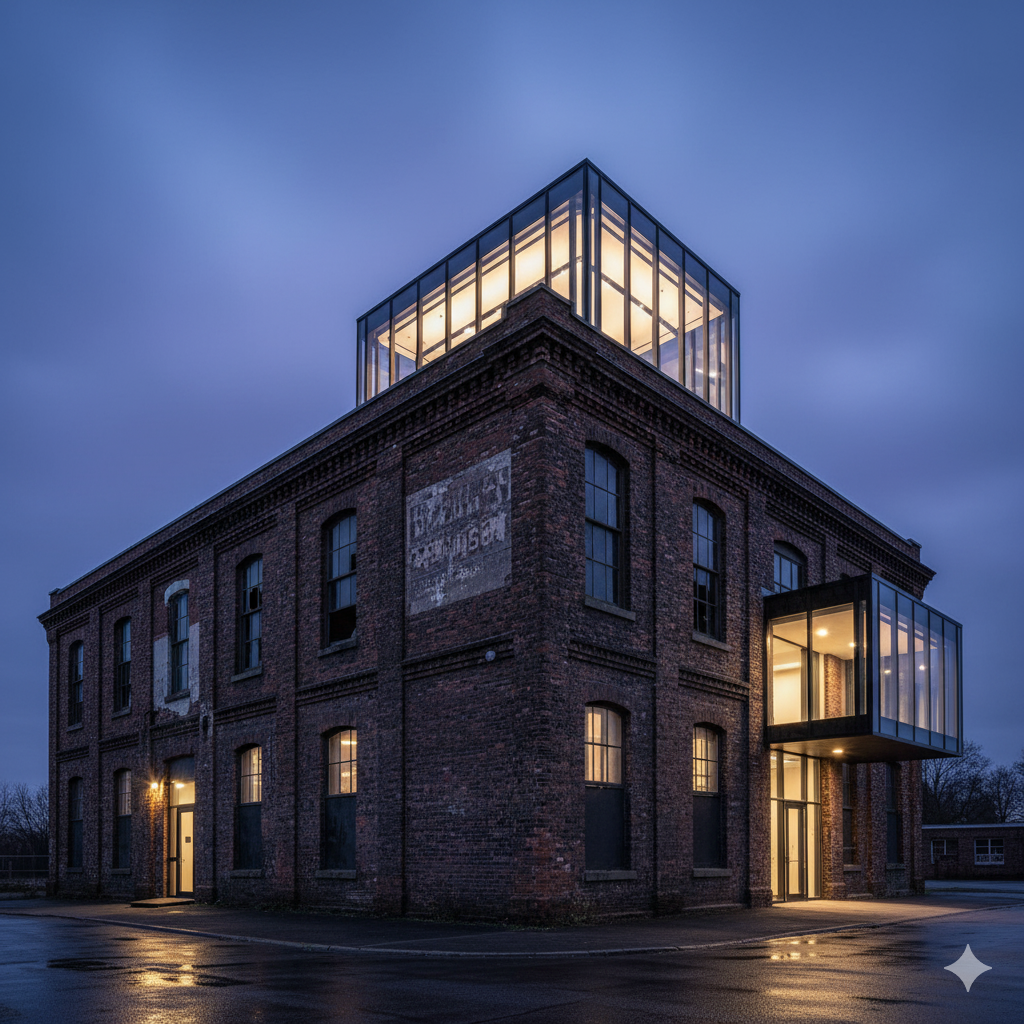
While often confused with renovation or restoration, adaptive reuse is distinct in its core mission. Restoration aims to return a building to its original state and function. Renovation involves upgrading or improving a building for its current function. Adaptive reuse, however, is an act of transformation. It takes a building whose original purpose is obsolete—an abandoned warehouse, a decommissioned power station, a silent church—and gives it a vibrant new life as something entirely different, such as apartments, offices, a museum, or a community center.
The fundamental principle is to preserve the majority of the existing structure, including the shell and key architectural elements, while creatively inserting a new use. This process inherently honors the building’s history, materiality, and place within the community. It’s an architectural dialogue between the past and the future, where the ghost of the original structure informs and enriches its new identity. Successful adaptive reuse projects are celebrated not just for their design, but for the compelling stories they tell.

Why Adaptive Reuse is the Future of Sustainable Building
The surge in adaptive reuse is driven by far more than nostalgia. It represents a pragmatic and profound response to the most significant challenges of our time. The benefits are multifaceted, spanning environmental, economic, and socio-cultural domains.
1. The Colossal Environmental Imperative
This is the most critical argument for adaptive reuse. The construction industry is one of the world’s largest consumers of raw materials and producers of carbon emissions.
- Embodied Carbon: The “embodied carbon” of a building refers to the total greenhouse gas emissions generated from manufacturing, transporting, and installing the materials used in its construction. According to the World Green Building Council, building materials and construction account for 11% of global carbon emissions. When a building is demolished, all that embodied carbon is effectively wasted. Adaptive reuse is the single most effective strategy for conserving this embodied carbon. By preserving the foundation, structure, and building envelope, architects can prevent thousands of tons of CO2 from being released into the atmosphere. This is a monumental saving that no new “green” building can easily replicate.

- Waste Reduction: Demolition creates staggering amounts of landfill waste. In the United States, construction and demolition debris accounts for more than twice the amount of generated municipal solid waste. Adaptive reuse turns this equation on its head, diverting millions of tons of material from landfills and treating existing buildings as resource banks rather than disposable assets.
- Resource Conservation: By utilizing an existing structure, the demand for new resource-intensive materials like concrete, steel, and timber is dramatically reduced. This lessens the environmental impact of quarrying, mining, and logging, and conserves natural habitats.
2. Compelling Economic Advantages
While often perceived as complex, adaptive reuse can offer significant financial benefits over new construction.
- Reduced Material and Demolition Costs: The savings on raw materials and the avoidance of costly demolition, site clearing, and excavation can be substantial. The existing structure is the project’s greatest asset.
- Faster Project Timelines: With the primary structure already in place, project timelines can often be expedited. This leads to savings on financing costs and allows the building to generate revenue sooner.
- Tax Incentives and Grants: Many governments offer tax credits, grants, and other financial incentives for the preservation and rehabilitation of historic buildings, making adaptive reuse an even more attractive financial proposition.
- Market Appeal: Repurposed buildings have a unique character and authenticity that new constructions cannot replicate. This “cool factor” often translates into higher rental rates, faster sales, and a distinct market advantage for developments like loft apartments, boutique hotels, and creative office spaces.
3. Rich Social and Cultural Value
Buildings are the keepers of a community’s memory. Adaptive reuse honors and builds upon this collective heritage.
- Preserving Community Identity: Old buildings contribute to the unique character and sense of place of a neighborhood or city. Demolishing them erodes this identity. Adaptive reuse preserves these cultural landmarks, maintaining a tangible link to the past.
- Urban Regeneration: Transforming derelict buildings often acts as a catalyst for wider urban regeneration. A successful adaptive reuse project can breathe new life into a neglected area, attracting further investment, businesses, and residents, and fostering a renewed sense of community pride.
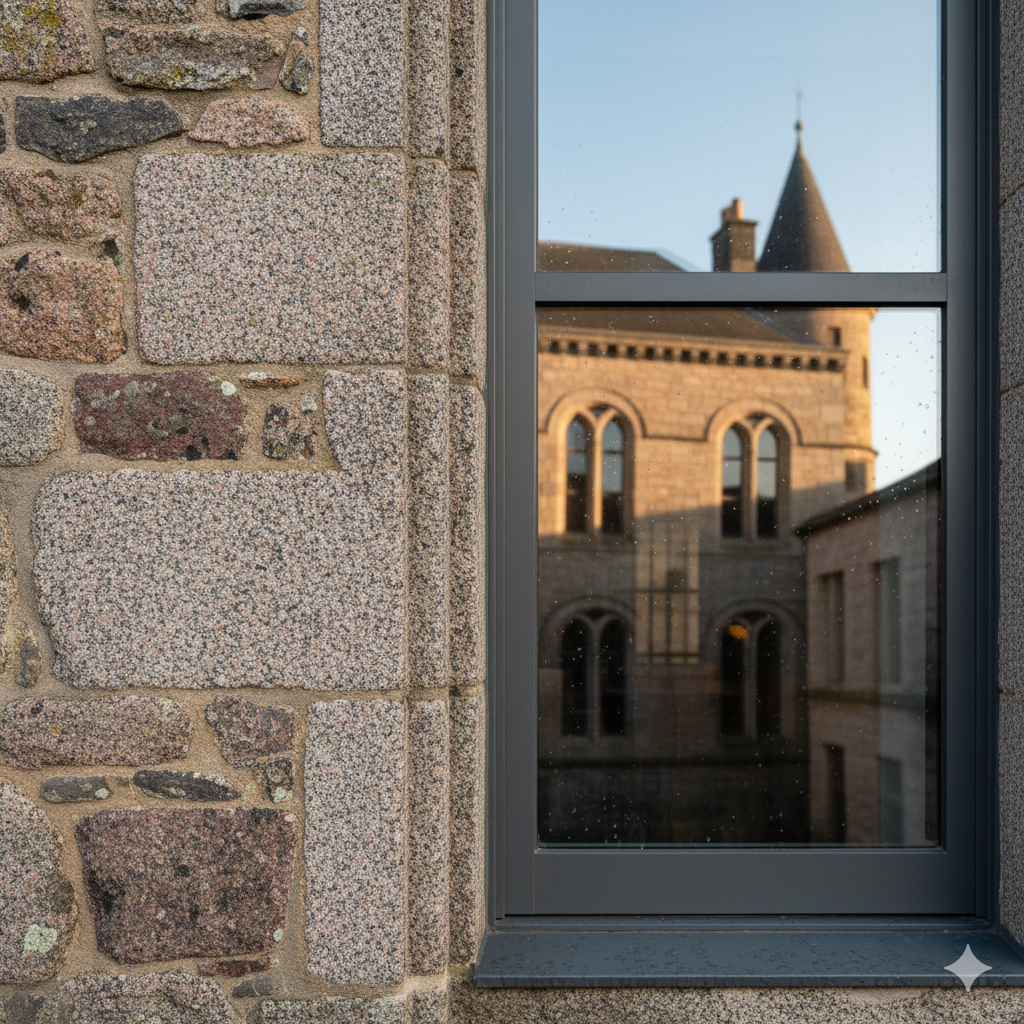
- Creating Authentic Spaces: The layers of history within a repurposed building—the weathered brick, the patina on old timber, the soaring industrial volumes—provide a rich canvas for architects. These elements create authentic, inspiring, and human-scaled spaces that resonate deeply with occupants and visitors.
The Architect’s Process: A Guide to Approaching an Adaptive Reuse Project
Embarking on an adaptive reuse project requires a unique mindset and a specialized process that differs from designing on a blank slate.
- Deep-Dive Investigation: The first phase is forensic. Architects, alongside structural engineers, must conduct a thorough assessment of the existing building. This includes a detailed structural survey, hazardous material analysis (checking for asbestos, lead paint, etc.), and an audit of the building envelope’s condition. This investigation determines the true constraints and opportunities of the project.
- Uncovering the Story: This involves researching the building’s history, its original use, its architectural significance, and its role in the community. This narrative research is not just for context; it provides the core inspiration for the new design. The best adaptive reuse projects allow the building’s past to inform its future.
- Programmatic Creativity: The key challenge is finding the right new use for the old structure. This requires a blend of market analysis and creative vision. How can the building’s unique features—large windows, high ceilings, robust structure—be leveraged for a new program? This is where an architect’s ability to see potential is paramount.
- The Art of Intervention: The design phase is a delicate balancing act. The goal is not to mimic the old but to create a respectful and legible dialogue between the existing fabric and the new interventions. This often involves a “light touch,” where new elements are clearly expressed as contemporary additions, honoring the integrity of the original structure. Material selection, detailing, and spatial organization are all critical in achieving this harmony.
- Navigating the Maze of Regulations: Bringing an old building up to modern standards of safety, accessibility, and energy performance is a major hurdle. This requires creative problem-solving and close collaboration with building code officials and preservation authorities to find solutions that meet requirements without compromising the building’s historic character.
Global Icons of Adaptive Reuse
- Tate Modern, London: Perhaps the world’s most famous example of adaptive reuse. The former Bankside Power Station was masterfully transformed by architects Herzog & de Meuron into a world-class modern art gallery. The cavernous Turbine Hall was retained as a monumental entrance and exhibition space, creating an unforgettable visitor experience.
- Zeitz MOCAA, Cape Town: Architect Thomas Heatherwick carved a stunning museum out of a historic grain silo complex. Instead of demolishing the cellular concrete tubes, they were cut into to create a breathtaking central atrium, while the silos themselves were converted into gallery spaces. The project is a triumph of sculptural intervention and a prime example of industrial adaptive reuse.
- The High Line, New York City: A beloved public park built on a disused elevated freight rail line. This project demonstrates that adaptive reuse is not limited to buildings but can be applied to infrastructure as well, transforming a piece of urban blight into a green artery that has revitalized an entire district.
The Future is Repurposed
The paradigm of “demolish and build new” is an unsustainable model for a planet with finite resources. Adaptive reuse is not merely a trend; it is an ethical and intelligent evolution of the architectural profession. It demands more from us as designers—more creativity, more technical skill, more historical sensitivity—but the rewards are infinitely greater. By seeing the potential in what already exists, we can reduce our carbon footprint, enrich our communities, and create buildings that are not just new, but imbued with history, character, and a story to tell.
Frequently Asked Questions (FAQ)
Is adaptive reuse always cheaper than new construction?
Not always. While it can offer significant savings on materials and structure, adaptive reuse projects can have unforeseen costs related to hazardous material abatement, extensive structural repairs, and complex retrofitting to meet modern codes. A thorough feasibility study is crucial to accurately compare costs. However, when considering the long-term value and market appeal, it is often a highly competitive option.
What is the biggest challenge in an adaptive reuse project?
The biggest challenge is often dealing with the unknown. Old buildings are full of surprises hidden within their walls. This can include deteriorated structural elements, undocumented modifications, or challenging site conditions. A successful project requires a flexible design team and a client who understands that the process is one of discovery and problem-solving.
How does adaptive reuse relate to the “circular economy”?
Adaptive reuse is a perfect embodiment of circular economy principles. A circular economy aims to eliminate waste and keep materials in use. By treating existing buildings as valuable material banks rather than disposable objects, adaptive reuse extends the life of those materials, conserves the energy used to create them (embodied carbon), and prevents them from becoming waste.
Can any old building be a candidate for adaptive reuse?
While many buildings are excellent candidates, not all are suitable. Factors that influence viability include structural integrity, location, the cost of remediation (e.g., cleaning up a heavily contaminated industrial site), and the building’s ability to accommodate a new, economically viable function.